(Bloomberg) — The Trump administration on Friday took action to clear the way for oil production off the California coast in a bid to ease the global fuel pressures created by the war with Iran.
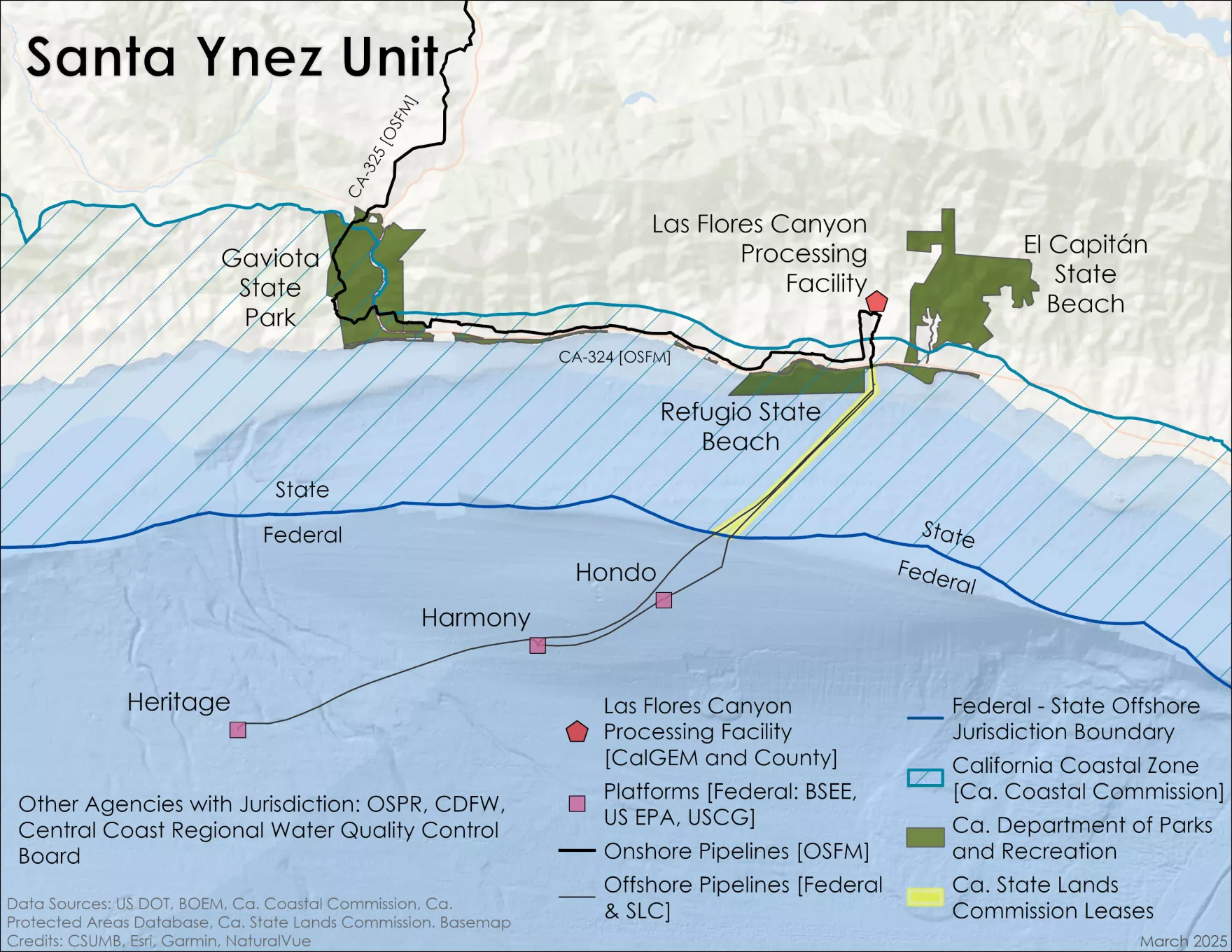
The announcement by Energy Secretary Chris Wright follows an executive order signed by President Donald Trump on Friday and directs Sable Offshore Corp., a Houston-based company, to begin restoring operations for the Santa Ynez Unit and Santa Ynez Pipeline System in California.
Judge Patti Saris vacated part 2 of Trump’s 1/20/2025 “Wind Memo.”Part 1, which withdrew all OCS lands from wind leasing, was not in dispute. Part 2 suspended issuing wind energy permits and other authorizations.
The judge ruled (full order attached) that the suspension of wind permitting violates Administrative Procedures Act provisions requiring agencies “to proceed within a reasonable time and to set and complete proceedings expeditiously.”
She concluded further that “the moratorium halts all wind energy authorizations indefinitely, pending a comprehensive assessment with no timeline, which is inconsistent with statutory deadlines and general commands for prompt processing in laws like OCSLA, the Clean Water Act, and others governing wind projects.”
Although the judge’s assessment of the permitting moratorium seems sound, the merits of offshore wind as a primary energy source remain very much in doubt.
The carbon disposal industry, which overplayed its hand on the OCS, has managed to alienate traditional oil and gas industry supporters, sparking grassroots opposition in conservative areas of Louisiana. Carbon Capture and Sequestration (CCS) is also opposed by climate activists and the environmental justice movement.
The Advocate has nicely summarized opponents concerns: “land rights; the impact on underground aquifers if CO2 leaks; skepticism of climate change; skepticism of its effectiveness in fully capturing CO2; and opposition to the use of federal money and tax credits to finance the effort.”
Gov. Landry issued an executive order on Oct. 15 in an apparent attempt to calm the opposition. Following 34 “whereas” clauses intended to justify carbon disposal in Louisiana, the EO directs a pause in the review of new Class VI CO2 disposal wells. As evidenced by the attached press release, Save My Louisiana and other opposition groups are far from satisfied.
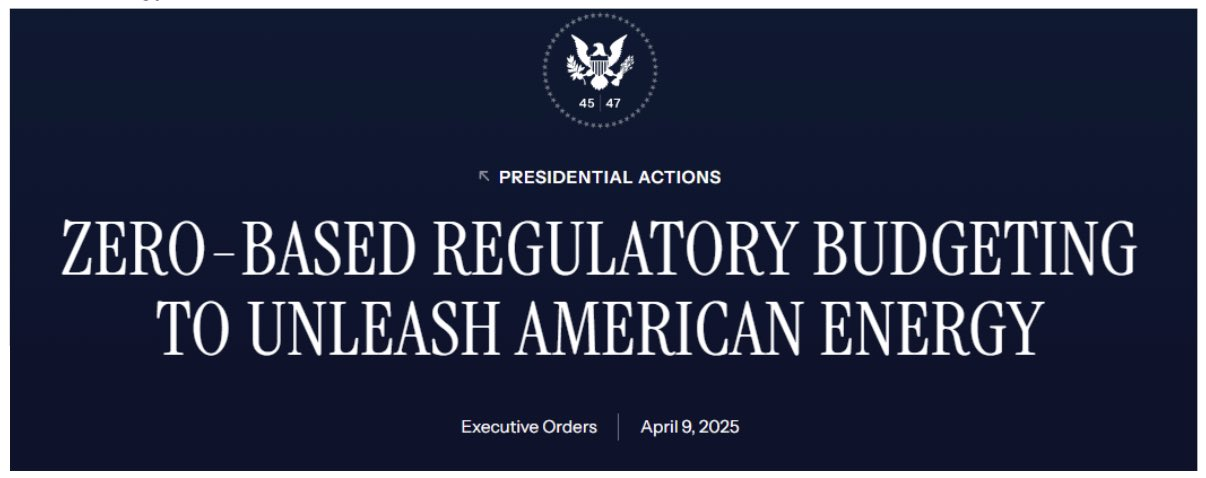
The EO requires agencies to issue a rule, effective not later than September 30, 2025, that inserts a sunset date into each “covered regulation.” The sunset date must be 1 year after the effective date of the sunset rule, but may be extended multiple times for a total of up to 5 years.
From an offshore energy perspective, the confusion starts with the EO’s applicability. One section of the order exempts regulatory permitting regimes authorized by statute. Another section specifies that the order “applies to all regulations issued pursuant to the Outer Continental Shelf Act of 1953 and any amendments thereto.” This is a fundamental contradiction given that OCSLA is a statutory planning and permitting regime. Which regulations are subject to the EO?
Comments:
For some reason (too complicated?), EPA and the Army Corps of Engineers are given 30 days to provide a list of statutes that are subject to the EO. Perhaps all affected regulators should have been given 30 days to comment on the draft EO before it was finalized.
The EO is sure to create chaos as regulators, under the direction of managers keen on complying with the President’s directive, attempt to determine the EO’s applicability and establish implementation procedures.
The EO, which is intended to provide order and certainty, will do exactly the opposite. How does the regulated industry plan for future operations while this vague and controversial “zero based regulatory budgeting” exercise is ongoing? What are the chances of this directive being sustained?
Reducing the number of pages in the US Code, while desirable, is not regulatory reform.
The order assumes that most regulations are meaningless, which is not the case. What is the plan for filling the void after regulations are deleted?
The EO should embrace, rather than circumvent, the notice and comment requirements of the Administrative Procedures Act. The tedious and sometimes burdensome APA has protected the public and the energy industry from countless unjustified, unauthorized, and poorly considered regulatory initiatives.
Eliminating rules is not synonymous with establishing a regulatory framework that will improve efficiency and stimulate innovation.
Other factors are paramount in improving regulatory effectiveness and efficiency. These include regulatory fragmentation, effective goal setting, management systems, culture, data gathering, performance monitoring, continuous improvement, collaboration, and the adoption of industry standards.
Quality regulators are more important than quality regulations. Regulating with fewer rules requires skilled regulators.
Agencies should be directed to consider how they can best reduce the regulatory burden without compromising safety and environmental performance. Page reduction should be secondary.
If regulatory efficiency is the goal, this EO is likely to do more harm than good. Federal agencies are largely comprised of bright people with good intentions. Challenge them to propose innovative reforms that will simplify and improve their regulatory regimes.
Title: Temporary Withdrawal of All Areas on the Outer Continental Shelf from Offshore Wind Leasing and Review of the Federal Government’s Leasing and Permitting Practices for Wind Projects
Main points:
New leases: Immediately withdraws all OCS areas from wind leasing
Existing leases: Secretary of the Interior shall conduct a comprehensive review of the ecological, economic, and environmental necessity of terminating or amending any existing wind energy leases, identifying any legal bases for such removal, and submit a report with recommendations to the President
Review of Leasing and Permitting Practices: The Secretary of the Interior, the Secretary of Agriculture, the Secretary of Energy, the Administrator of the Environmental Protection Agency, and the heads of all other relevant agencies, shall not issue new or renewed approvals, rights of way, permits, leases, or loans for onshore or offshore wind projects pending the completion of a comprehensive assessment and review of Federal wind leasing and permitting practices.
A senior administration official who is familiar with the executive actions and authorized to brief Fox News Digital said Trump on day one will end “Catch and Release;” pause all offshore wind leases; terminate the electric vehicle mandate; abolish the Green New Deal; withdraw from the Paris Climate Accord; and take several major steps to assert presidential control over the federal bureaucracy.
The senior official told Fox News Digital that the energy executive order deals with “every single energy policy,” andaddresses liquid natural gas, ports, fracking, pipelines, permitting and more, while also terminating President Biden polices he said “have constrained U.S. energy supply.”
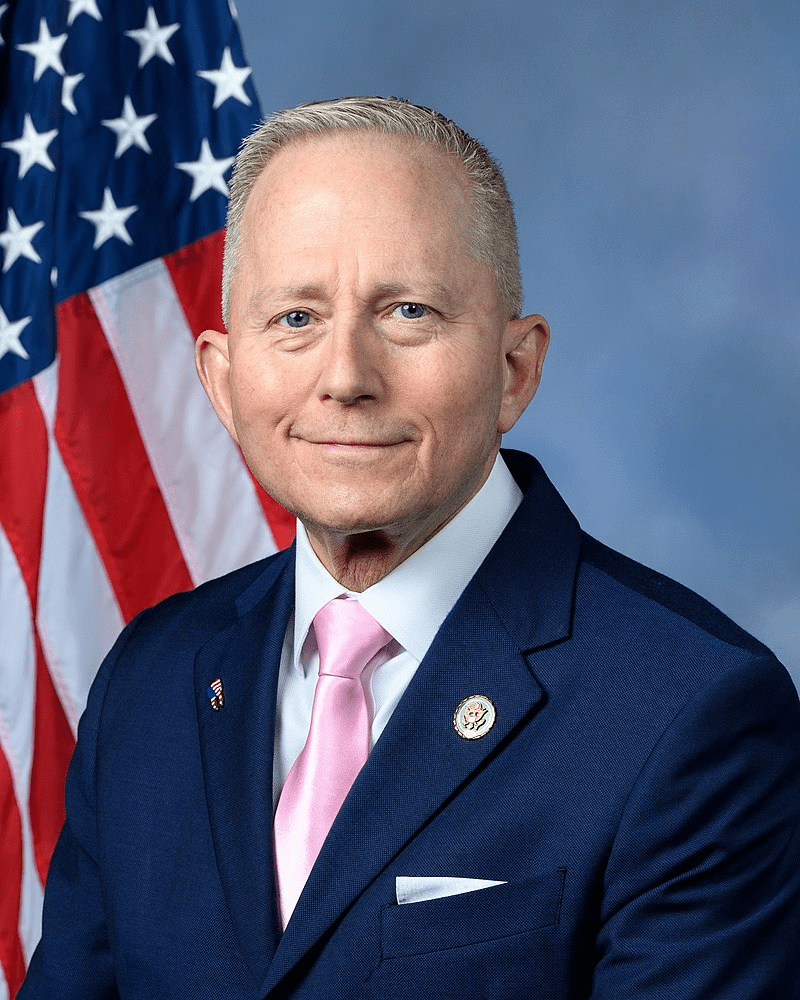
From the Protect Our Coast – NJ Facebook page: “During his interview with Radio Host Dom Giordano on Monday, December 23, NJ Congressman Jeff VanDrew (pictured), stated an executive order, to be signed by President Trump on January 20, 2025 will place a 6 months pause on further construction of Offshore Wind Turbines while our new administration reviews all aspects of these highly controversial structures in our ocean.“
We’ll see what transpires, and if this post is accurate, await clarification and reactions.


 Bud's Offshore Energy (BOE)