Feeds:
Posts
Comments

Posts Tagged ‘deepsea mining’

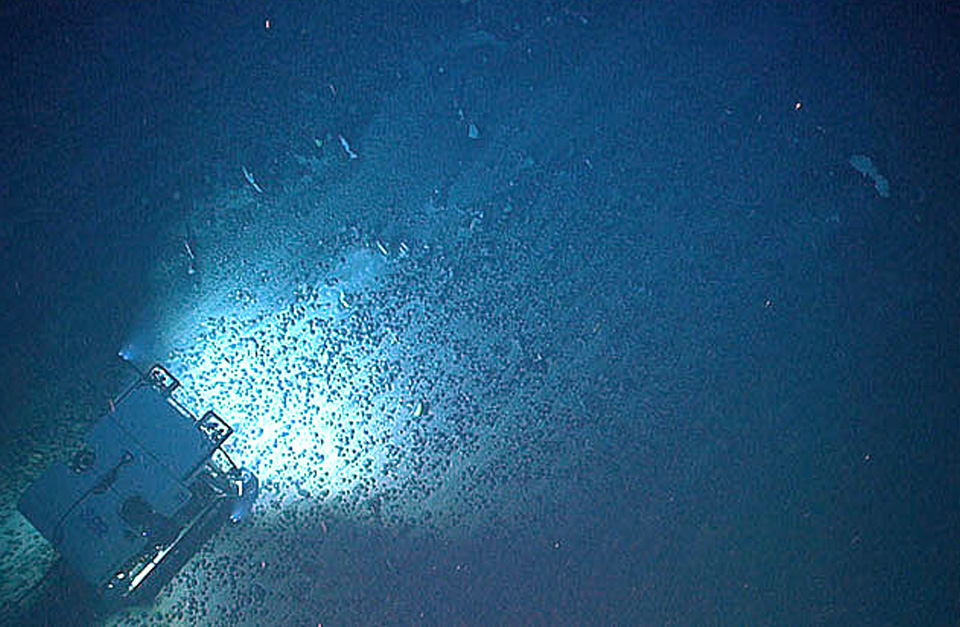
Remotely operated vehicle traverses over an extensive field of ferromanganese nodules that form the bulk of the hard seafloor substrate. Credit: NOAA.

The proposed rule is attached. Important points:

How can the US issue mining licenses in international waters (controversial)?

The International Seabed Authority (ISA) regulates deep seabed mining in areas beyond national jurisdiction for countries that are parties to the United Nations Convention on the Law of the Sea (UNCLOS). The United States is a non-party to UNCLOS. Under U.S. law, NOAA may issue licenses and permits to U.S. citizens in areas beyond national jurisdiction under the Deep Seabed Hard Mineral Resources Act (DSHMRA).

Main objective of the proposed rule (paraphrased):

The deepsea mining industry has gained experience from site specific exploration activities. As a result, later entrants may be able to capitalize on the information gained by previous explorers and lessen the need for further exploration of previously explored areas. In such cases there may be a need for a consolidated licensing process in which permit applicants could meet exploration license requirements to establish priority of right, and permit requirements, simultaneously.

Comment: The proposed rule seems reasonable in that qualified companies that gather the necessary site information would have the right (after NOAA review and approval) to collect the minerals. This would align deepsea mining more closely with offshore oil and gas in that companies acquiring licenses would be able to proceed to production after regulatory approvals.
Read Full Post »

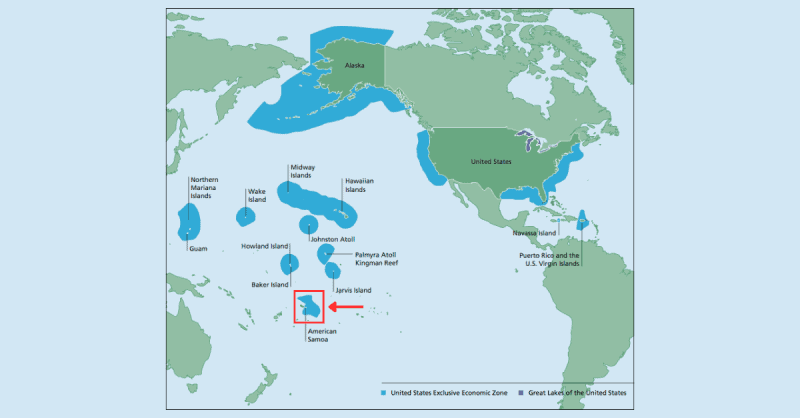
As a result of a formal request from the Impossible Metals company, BOEM will begin a multi-step process which could lead to a marine minerals lease sale offshore American Samoa. 

The first step will be the publication of a request for information and Interest in the Federal Register. This notice will seek public input that will help inform BOEM’s assessment of geologic conditions, potential environmental and cultural impacts, and other uses of the area. 

Impossible Metals has developed an autonomous underwater vehicle (AUV) for selective mineral harvesting. Their novel AUV uses advanced robotics, AI, and a buoyancy engine to hover above the seabed and minimize disruption to the habitat and native biodiversity. Impossible Metals believes this method will have the lowest environmental impact and cost among land and deep-sea mining approaches.

9 minute interview with the CEO of Impossible Metals:

Read Full Post »

pictured:TMC pilot trials

Lars Herbst brought this bold and rather surprising deepsea mining development to my attention. Let the screaming begin!

NEW YORK, March 27, 2025 (GLOBE NEWSWIRE) (emphasis added) — TMC the metals company Inc. (Nasdaq: TMC) (“TMC” or the “Company”), an explorer of the world’s largest undeveloped resource of critical metals for building infrastructure, power generation, transmission, and batteries, today announced that its subsidiary The Metals Company USA LLC (“TMC USA”) has formally initiated a process with NOAA under the U.S. Department of Commerce to apply for exploration licenses and commercial recovery permits under existing U.S. legislation, the Deep Seabed Hard Mineral Resources Act of 1980 (DSHMRA).

Following extensive legal diligence on DSHMRA, NOAA’s implementing regulations and other applicable environmental protection legislation, the Company strongly believes that the U.S. seabed mining code offers the greatest probability of securing a permit for commercial recovery of deep-sea mineral resources in a timely manner.

Gerard Barron, Chairman & CEO of The Metals Company, commented: “Over the last decade, we’ve invested over half a billion dollars to understand and responsibly develop the nodule resource in our contract areas. We built the world’s largest environmental dataset on the CCZ, carefully designed and tested an offshore collection system that minimizes the environmental impacts and followed every step required by the International Seabed Authority. But, despite collaborating in good faith with the ISA for over a decade, it has not yet adopted the Regulations on the Exploitation of Mineral Resources in the Area in breach of its express treaty obligations under UNCLOS and the 1994 Agreement.

“We believe we have sufficient knowledge to get started and prove we can manage environmental risks. What we need is a regulator with a robust regulatory regime, and who is willing to give our application a fair hearing. That’s why we’ve formally initiated the process of applying for licenses and permits under the existing U.S. seabed mining code. After extensive legal review and constructive engagement with NOAA and other officials across the U.S. government, we believe the United States offers a stable, transparent, and enforceable regulatory path. TMC USA expects to submit applications to NOAA in the second quarter of 2025. We’re encouraged by the growing recognition in Washington that nodules represent a strategic opportunity for America—and we’re moving forward with urgency.”

Previous deepsea mining posts

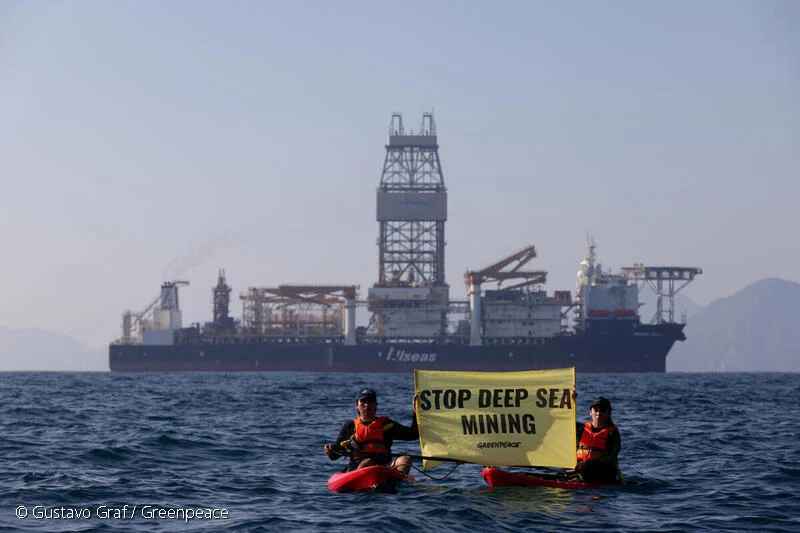
Greenpeace photo

Read Full Post »

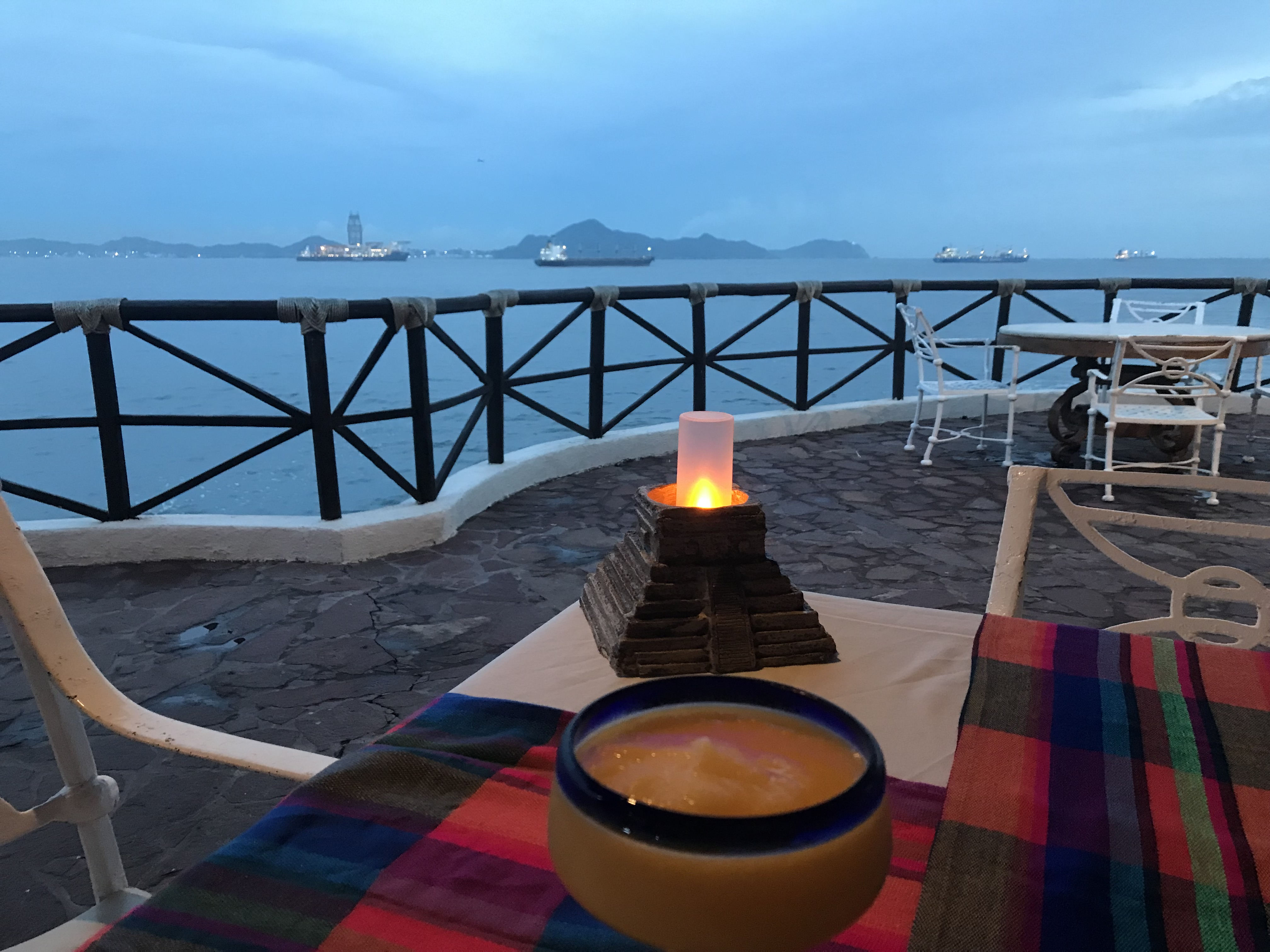
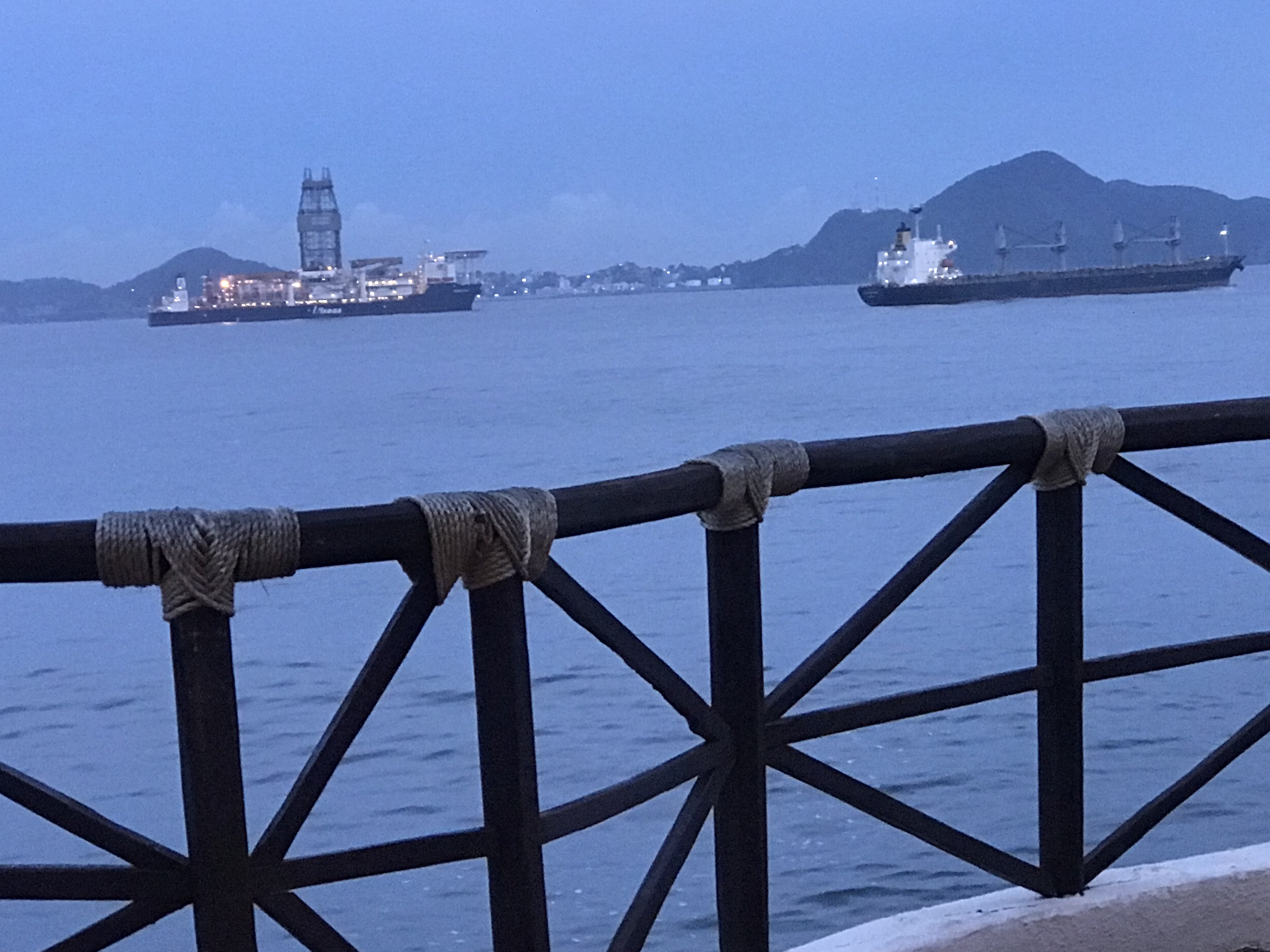
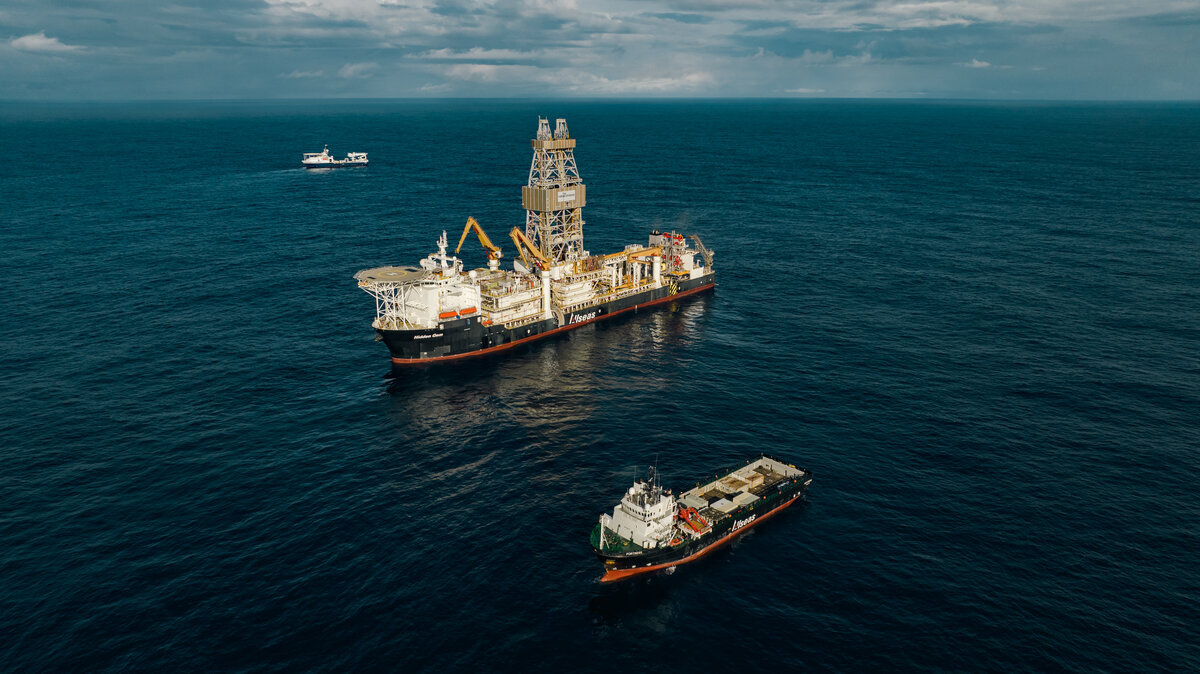
Our Mexican correspondent, Andrew Konczvald, reports that the Hidden Gem, a deepsea mining vessel owned by The Metals Company (TMC) is still parked offshore Manzanillo. The ship has moved a couple of miles and is now near a shipping lane. See Andrew’s pictures below.

Per TMC’s latest update, the earliest that deepsea mining operations could be conducted is late 2025, so the vessel is likely to remain in Manzanillo for Andrew’s viewing pleasure. Nothing like a water view with a rig on the horizon. 😉

Andrew’s viewing location
5X enlargement for a better look at the mining vessel.

Read Full Post »

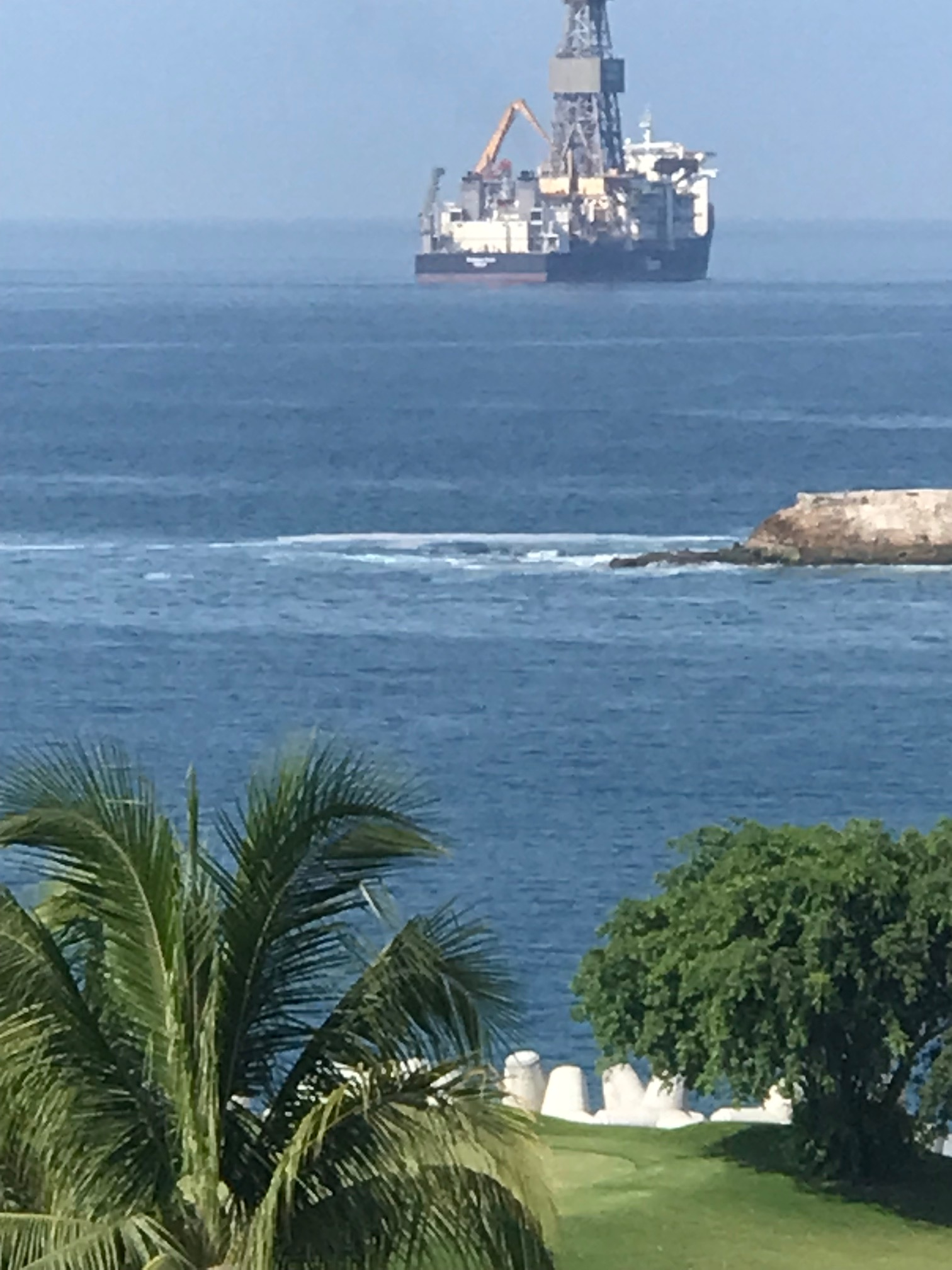
Andrew Konczvald reports that the Hidden Gem, a deepsea mining vessel owned by The Metals Company (TMC) is still parked offshore Manzanillo. Andrew’s latest picture of the Hidden Gem is pasted below.

TMC is awaiting international deepsea mining regulations, hence the extended and costly downtime for this massive rig. Per TMC, the regulations seem to be progressing.

Read Full Post »