Feeds:
Posts
Comments

Archive for June, 2022

Per Politico:

Several Democrats both in and out of the administration laid out their discontent with the office, led by National Climate Adviser Gina McCarthy, over its involvement in other agencies’ work, saying it slowed down several high-profile agenda items.

The Democrats said the office has gotten in the way of agency rulemakings. A Democratic Hill staffer told Zack the office edited and chose the day after Thanksgiving to release last year’s long-awaited Interior Department report on the federal oil and gas leasing program.

More on the leasing report cited in the above quote.

I guess we can assume that the Climate Office is currently reviewing the Proposed 5 Year Leasing Program that the Department of the Interior has promised to release by June 30. Is DOI subordinate to the Climate Office?
Read Full Post »

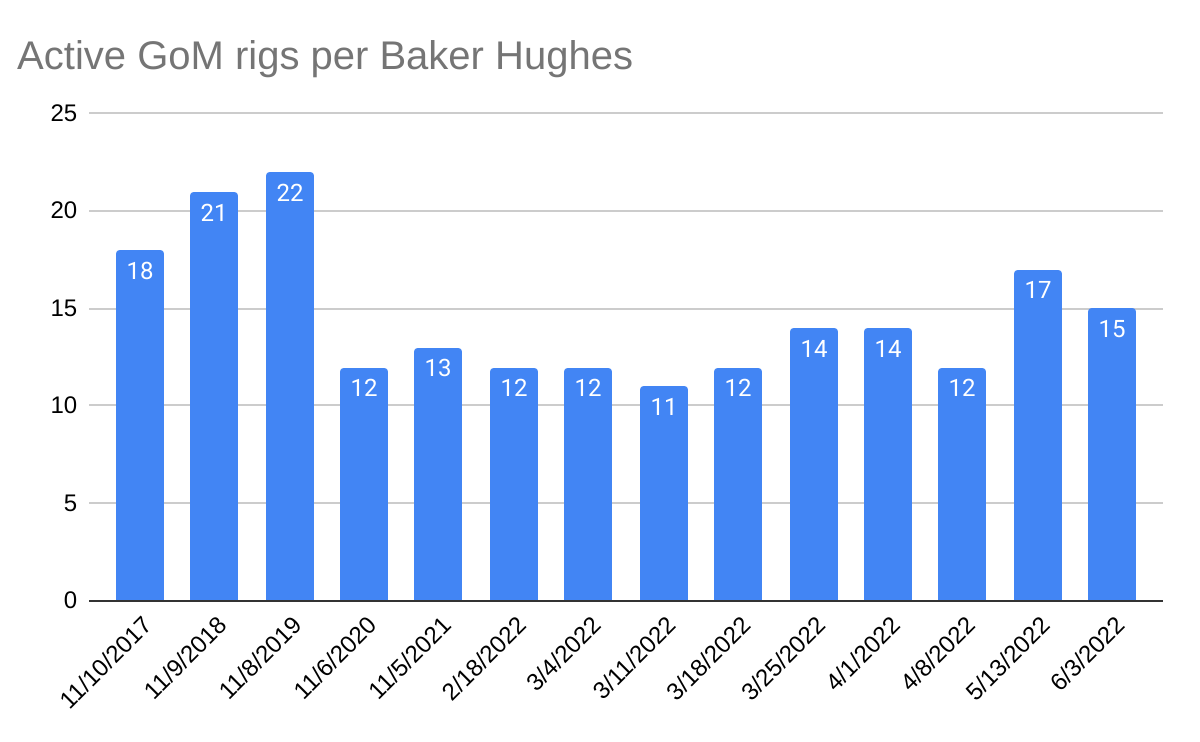
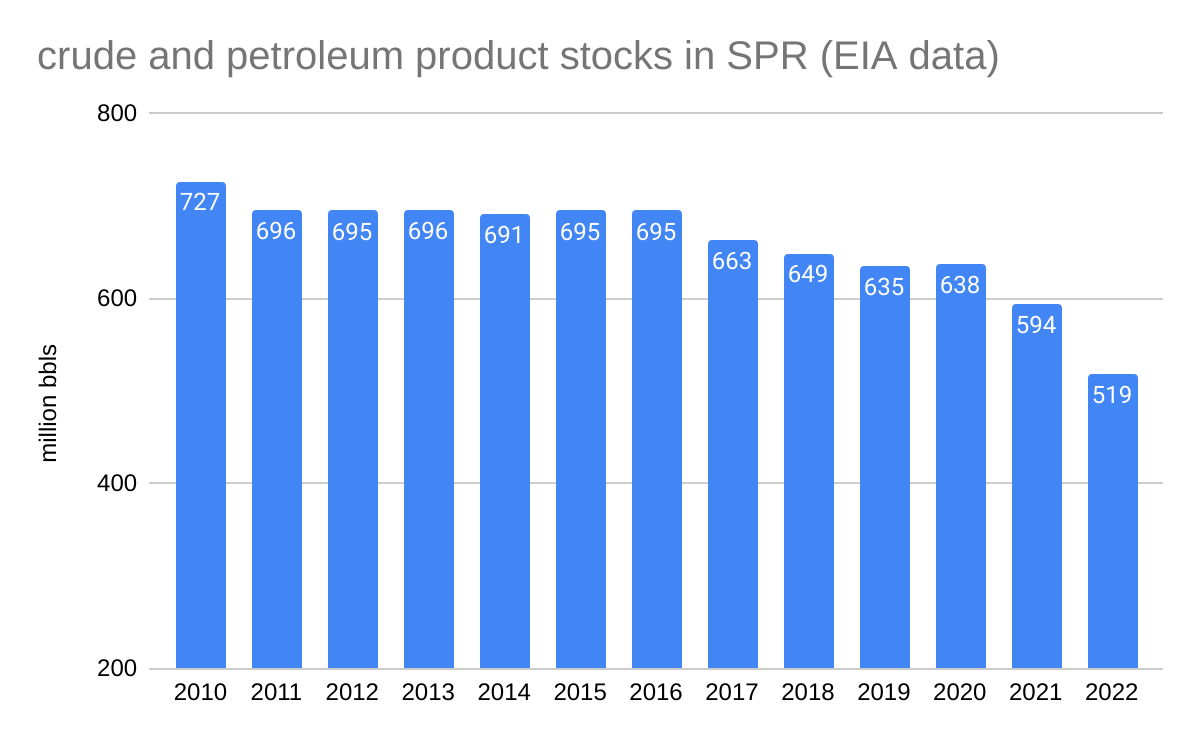
SPR stocks are down 29% from the end of 2010 and 19% from the end of 2020. Continued declines of this magnitude would be a major concern. Should a major crisis arise, offshore production takes years to ramp up, especially given that the lease inventory is at historic low levels and exploration has thus been stymied. Shale producers can respond more quickly to market needs, but transportation bottlenecks, and staffing and equipment availability can limit near-term production growth.

As was noted here in April, the inconsistency of drawing heavily on the SPR while constraining leasing in the adjacent offshore waters is striking. Apparently, there is nothing to worry about because neither the Department of the Interior nor the Department of Energy home pages even mention the words oil or gas. This is pretty remarkable given their broad responsibilities for these vital resources, and the crippling effects of shortages and high prices.

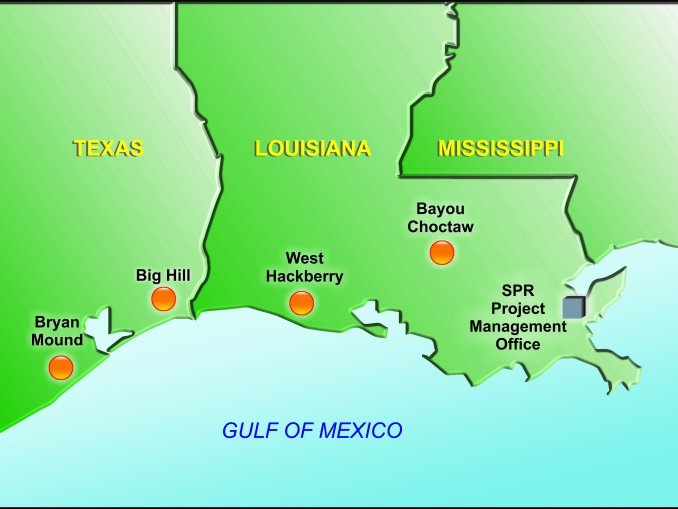
SPR locations

Read Full Post »

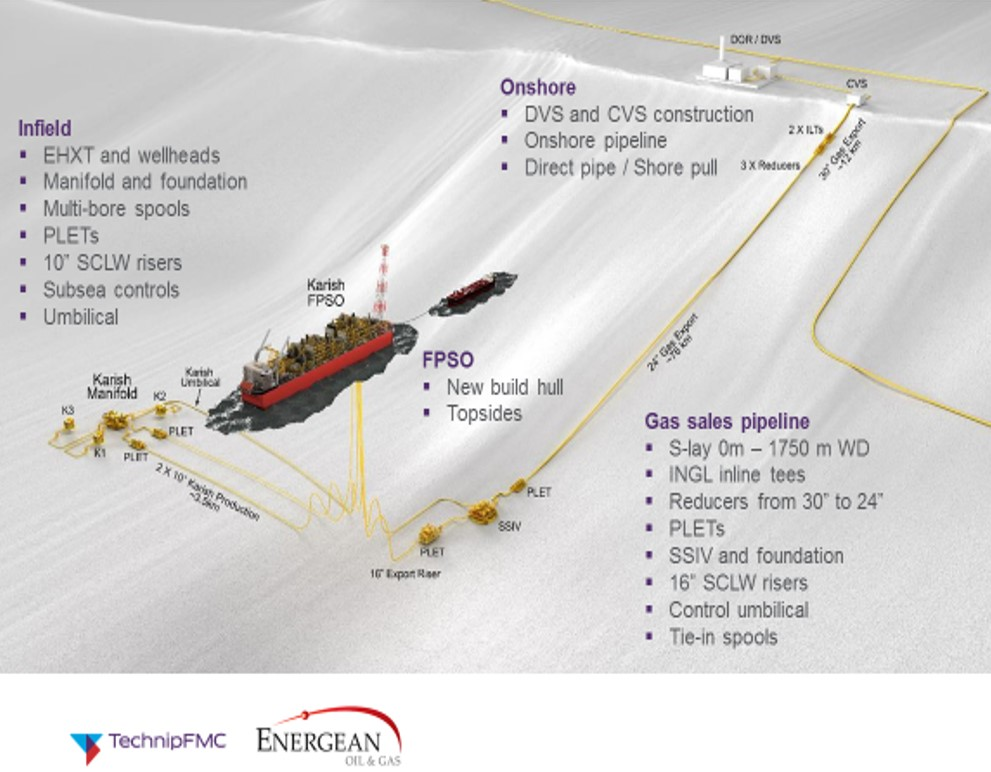
This seems to be a good summary video and includes a clip of the FPSO that will be producing the field.

Read Full Post »

“Our knowledge and expertise in geoscience and petroleum engineering represent advantageous foundation for CCS development, leading us towards our carbon emissions reduction target.” 

PTTEP

Those who closely followed Australia’s Montara Inquiry in 2010 may be less convinced about PTTEP’s expertise. The Montara well suspension program was completely irresponsible. Even though the production casing cement was clearly compromised, PTTEP suspended the well without a single barrier in the well bore. The company was extremely lucky to have avoided a major safety, environmental, and economic disaster. Perhaps they are a very different company now; I certainly hope so.

Montara blowout, Timor Sea

The PTTEP announcement adds to our skepticism about the motives of some CCS proponents. Is CCS prudent public policy? That question is by no means settled and there has been very little opportunity for comment and debate. BOE has raised concerns and there are no doubt many more that have yet to be addressed.

Read Full Post »

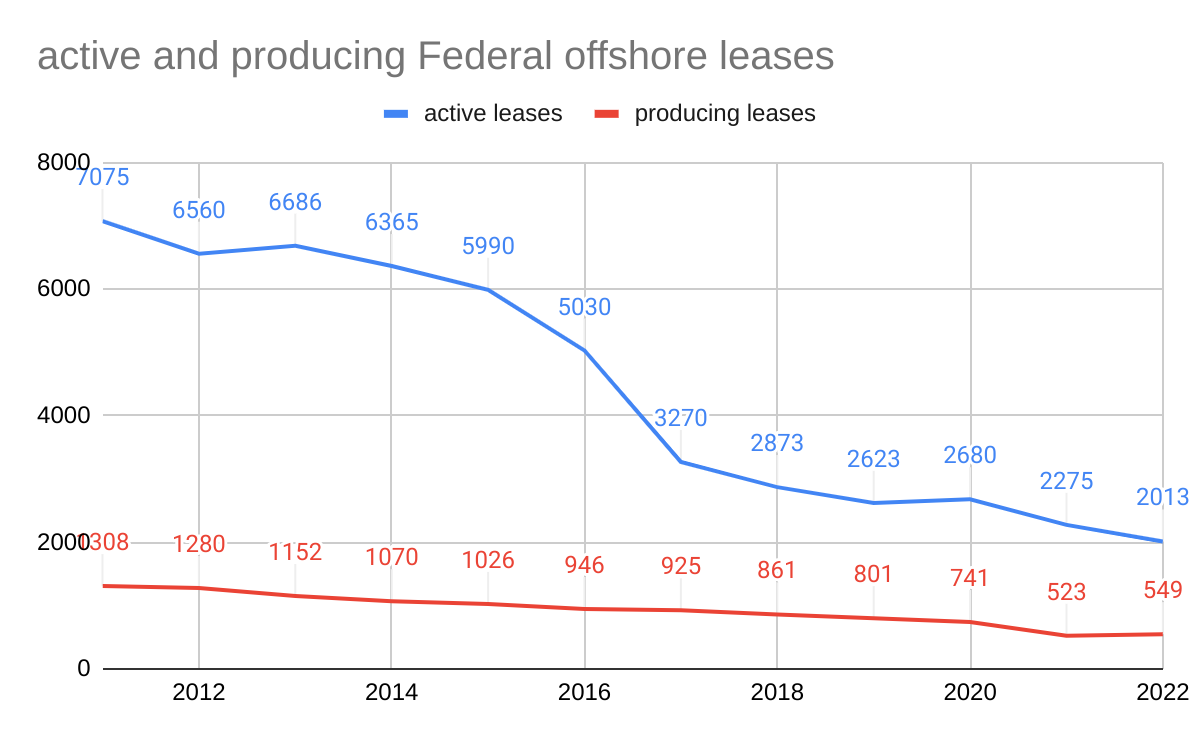
active leases ➡ producible leases ➡ energy production

The future of US offshore energy production is in jeopardy. As is clear in the first chart below, the problem is the precipitous decline in opportunities (l.e. leases), not the will to produce. At 27.3% (6/2022 data), the % of active leases that are producing is near the historic high of 30%. The spin doctors really need to drop the old and tired nonproducing leases excuse.

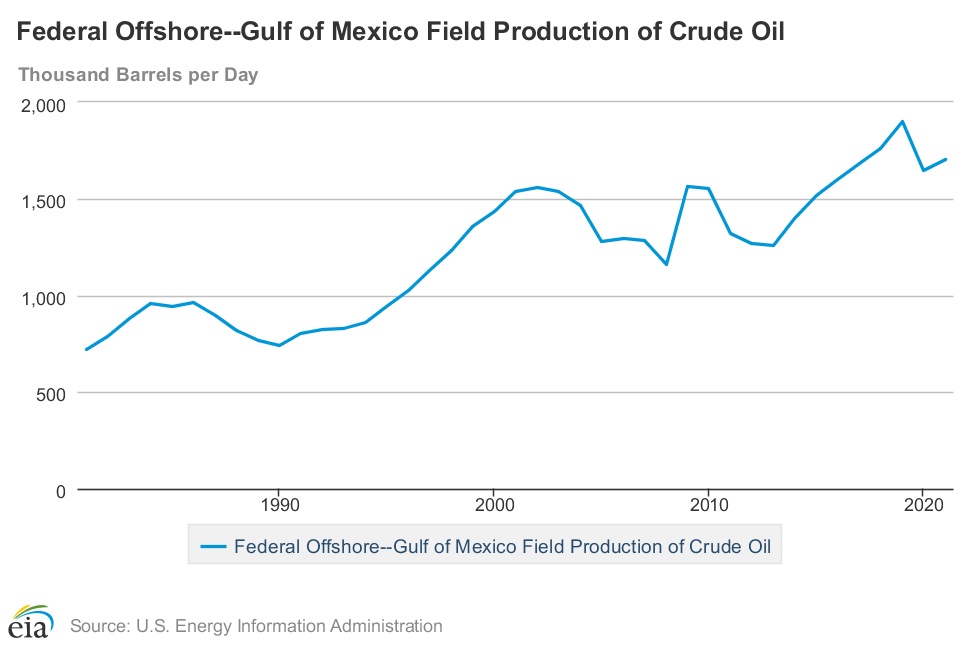
While not nearly as high as it could be with better lease management, offshore production has held up relatively well thanks to deepwater discoveries that were made years ago and technical innovation that makes projects more cost-effective, safer, and cleaner. Gulf of Mexico production should be relatively stable for several years as production from these projects offsets declines elsewhere. However, in the intermediate and longer term, reserve depletion and the absence of new exploration opportunities ensure a downward production trend.

Read Full Post »

A full EIS is needed!

Further to the summary from the 2016 EA announcement, it appears that the only Pacific Region well operations over the past 2 years have been for plugging and abandonment purposes. The legal circus continues with or without actual operations.

There have been 24 well stimulation treatments (21 of which involved hydraulic fracturing) on the OCS offshore California between 1982 and 2014, and these were conducted on four of the 23 platforms. Reservoirs on the OCS off Southern California tend to be much more permeable than onshore reservoirs, and are already highly naturally fractured. Therefore, little permeability enhancement has been required for their development. As described in the scenario evaluated in the EA, the future use of Well Stimulation Treatments is expected to continue to be occasional rather than essential to hydrocarbon production from these platforms.

BOEM, 2016

Read Full Post »

Read Full Post »

Rigs-to-Range

As is the case every 5 years or so, there is another aquaculture push within the Federal government. It looks like this will be a very process-rich endeavor (check out the list of “Scoping Information Needs“), so don’t expect much soon.

NOAA Fisheries is conducting public scoping for a programmatic environmental impact statement to consider identifying one or more AOAs in federal waters of the Gulf of Mexico. The programmatic environmental impact statement will evaluate the impacts and benefits associated with siting aquaculture in those locations, which could occur through future proposals and project level review. Public scoping is an opportunity for the public to provide input on the range of issues to be addressed in the programmatic environmental impact statement. This is a planning effort and no specific aquaculture-related activities or individual aquaculture projects are being proposed at this time.

NOAA FIsheries

Rigs-to-Roe (Redfish, Rockfish)

Read Full Post »

Locked down for 561 days!

Chronology

What the law says vs. current reality

Remember this

Catch 22

Now <500 producing leases for the first time in more than 5 decades!

Read Full Post »

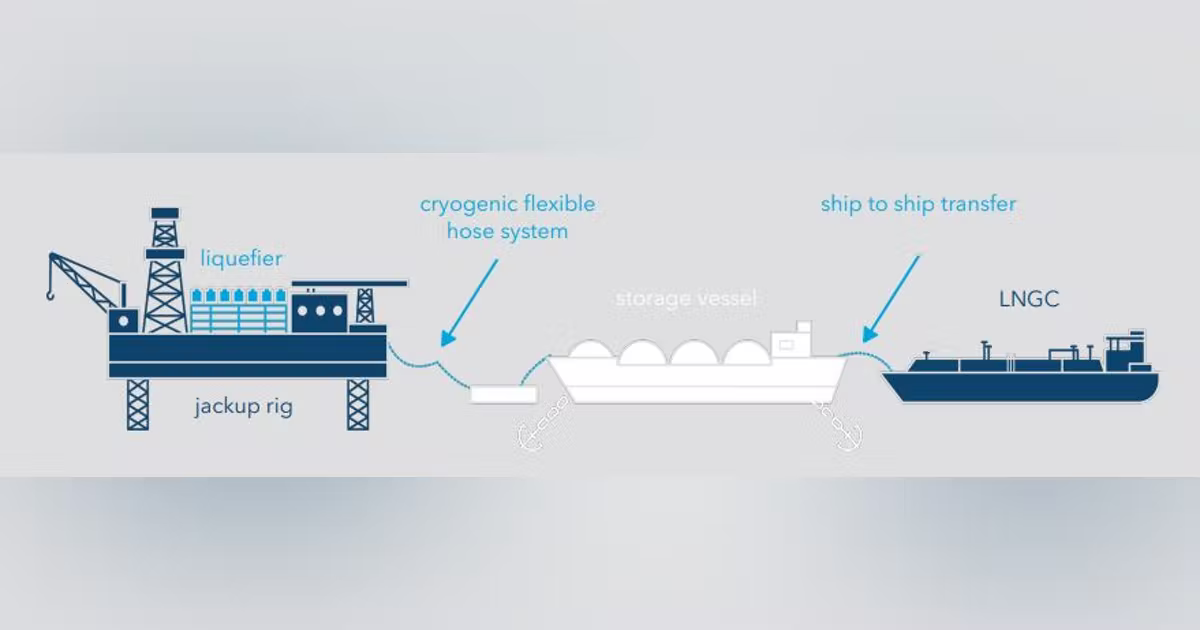
In the past the thought was that we would be importing LNG, i.e. “Rigs-to-Regasification.” Now that we are exporting LNG, we are adding “Rigs-to-Refrigeration” to the alternative use list.

Per our previous post on this topic, New Fortress Energy is moving forward with fast-track LNG projects in the Gulf. Three converted jack-up rigs purchased from Maersk will make up the first “Fast LNG” liquefaction train.

New Fortress is planning to install its first two “Fast LNG” units in West Delta Lease Block 38, located about 16 nm off Grand Isle, Louisiana. The two independent liquefaction trains at this deepwater “port” would export about 1.4 million tonnes per annum (mtpa) of LNG each. Though small by shoreside standards, the plant design would offer a number of advantages, like low cost and speed to market – a critical factor at a time of high demand for LNG. The company says that it should be able to produce each facility on an 18-20 month timescale, from engineering through construction and commissioning. 

Maritime Executive

Given the challenges posed by tropical storms, particularly for jackup units, the design criteria for these “permanent” jack-up liquefaction facilities and the role of classification societies are of particular interest.

Read Full Post »

« Newer Posts