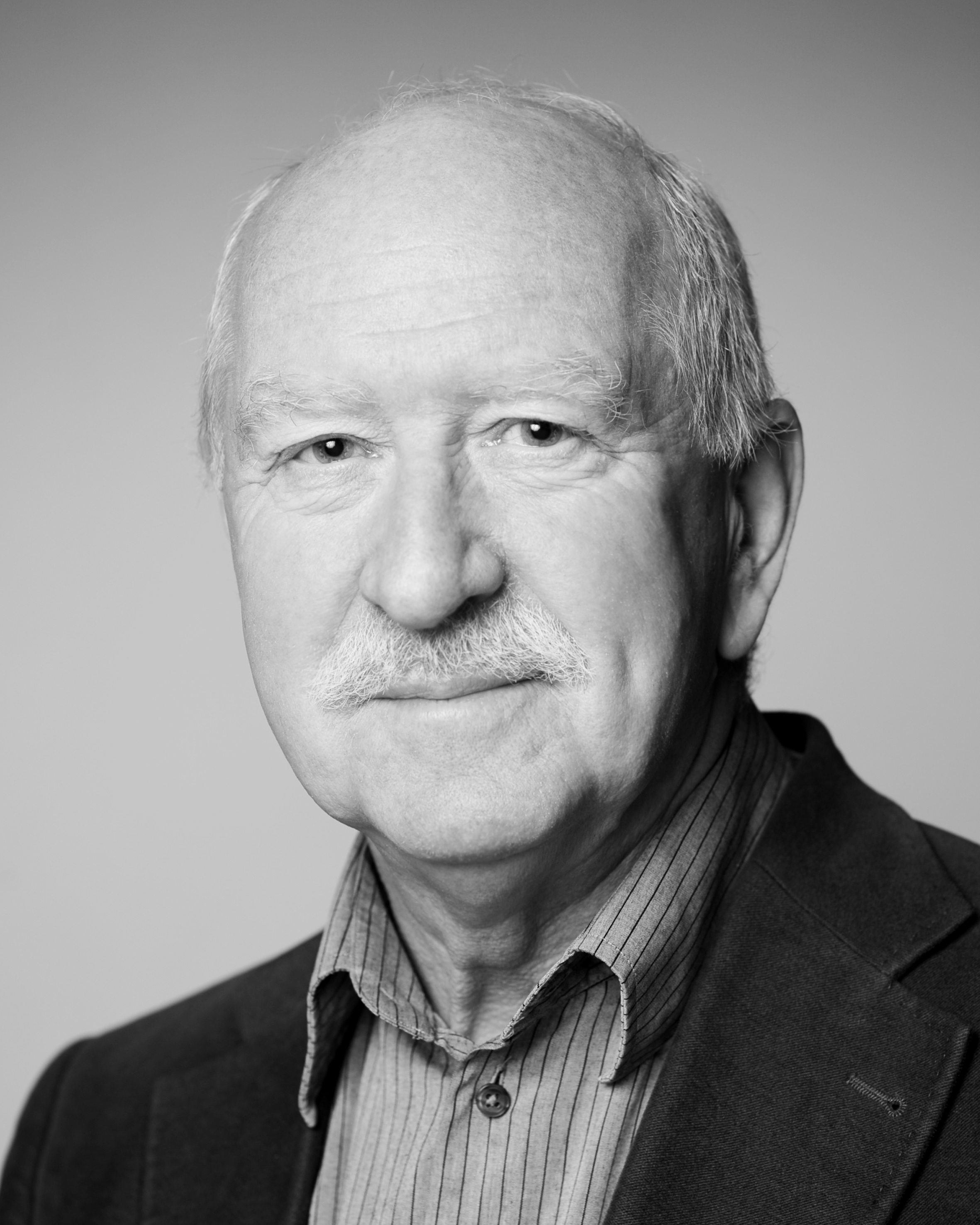
Magne Ognedal
It’s impossible to inspect quality into the petroleum industry. The latter must itself ensure quality. Magne Ognedal, Director General, Petroleum Safety Authority Norway
More thoughts from Magne:
Understanding risk is central here. We must all recognise first and foremost that the petroleum industry involves risk – just like any other activity.
However, accepting risk does not mean accepting accidents, he emphasises. “Quite the contrary. But we must constantly remind ourselves that accidents have happened – and can happen again.
“The risk of a major accident is present, in Norway and in all other nations with an oil and gas industry. This means that incidents will occur.
“Risk must accordingly be managed, with clear management responsibility, at every level and in every company which participates in the industry.”
Preventive measures can be a challenge, Mr Ognedal concedes, because they require that action is taken – often at a cost – without a disaster or other accident having occurred.
“However, history offers many examples where extensive measures are adopted after disasters. Companies in the petroleum business should consciously ask whether it would not be far better to have an established system which means that preventive measures based on learning, new technology and so forth are implemented, in order to be able to prevent accidents and disasters.
Safety – Status and Signals: This is a great publication – highly creative, easy to read and understand, very current, and loaded with good information. Check it out!
 Bud's Offshore Energy (BOE)
There is a great gap between “certification” and testing of certain product versus its integration into a system using different safety criteria and types of equipment or controls and different owners. The industry has not moved forward far in off to spend time in training ( complex new and elect. tech.)and trouble shooting and failure analysis of “system” , they are more concerned about the acceptance of extensive pressure test on components. Some interface management is greatly needed, and specific training of individual discipline engineer to fully know and understand the equipment they are responsible for. Unlike an aircraft which land every 12 hours or so and where you access everything and mobilize as many service hands as you need a rig offshore find themselves in precarious situation where for example a BOP in x 1000 ft of water may not see the daylight on deck for several months. And be back down again on next well location shortly. Away from the services provided by manufacturers you are on your own…. pilots and crew do not repair aircraft.
May be we should be more specific in the relationship ( who does what)and interface management needed on a complex installation , so when things are difficult to assess the screening technic and stops and warning lights are not superseded or misunderstood, until it is agreed to proceed.
Remember it’s not a race.
Excellent points. Integrating the various specialists and making sure they are comfortable moving to the next step (and can explain why) is absolutely critical. Take pride in pausing!