Feeds:
Posts
Comments

Posts Tagged ‘Woods Hole’

This impressive NOAA study confirms the importance of Nantucket Shoals as a feeding ground for right whales and implies a need for protective measures in months (October through December) when the existing restrictions do not apply.

The importance of Nantucket Shoals as a feeding ground for the critically endangered North Atlantic right whales within the southern New England wind energy is well understood (Leiter et al., 2017; Quintana-Rizzo et al., 2021; Estabrook et al., 2022). Similarly, year round presence of this species has been demonstrated since as early as 2011 (Quintana-Rizzo et al., 2021; Estabrook et al., 2022), showing that North Atlantic right whales have consistently used this region for well over a decade. Currently, the National Marine Fisheries Services and Bureau of Ocean Energy Managements policy is to exclude pile driving during the months of January through April in the southern New England wind energy area. Evaluation of the need for further management protections are needed for North Atlantic right whales especially in October through December, along with further assessment of risk to this species (Southall et al., 2023).

A map of the southern New England planned offshore wind energy lease areas off the East Coast of the United States (insert). Passive acoustic recorders (SoundTrap and F-POD recorders) were deployed for varying time periods (see Table 1) between January 2020 and November 2022 at seven sites surrounding the wind energy areas.

Note (below) the acoustic presence of the North Atlantic Right Whale (NARW) from Oct. through April.

Weekly acoustic presence summary of eight cetacean species (harbour porpoise, sperm whale, humpback whale, minke whale, North Atlantic right whale (NARW), sei whale, fin whale, blue whale) and one family (Delphinid sp.). The boxplots represent the median number of days of acoustic presence per calendar week across all data at four recording sites, in the southern New England offshore wind energy area. Only recorders with 2 or more years of data (NS01, NS02, COX01, and COX02) were used. Horizontal lines within the boxes indicate the median, box boundaries indicate the 25th (lower quartile) and 75th (upper quartile) percentiles, vertical lines indicate the largest (upper whisker) and smallest (lower whisker) values no further than 1.5 times the interquartile range, and black dots represent outliers.

Read Full Post »

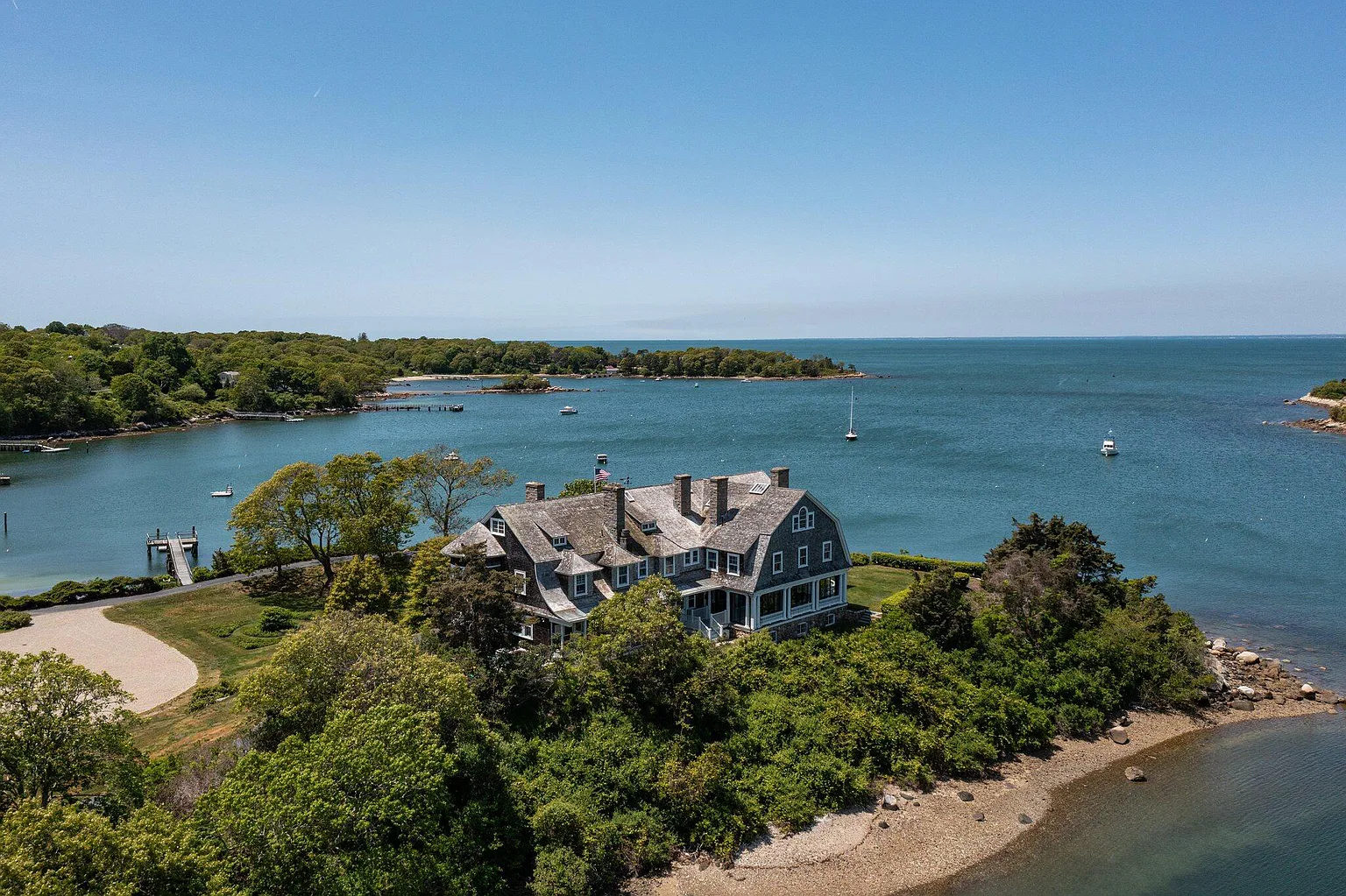
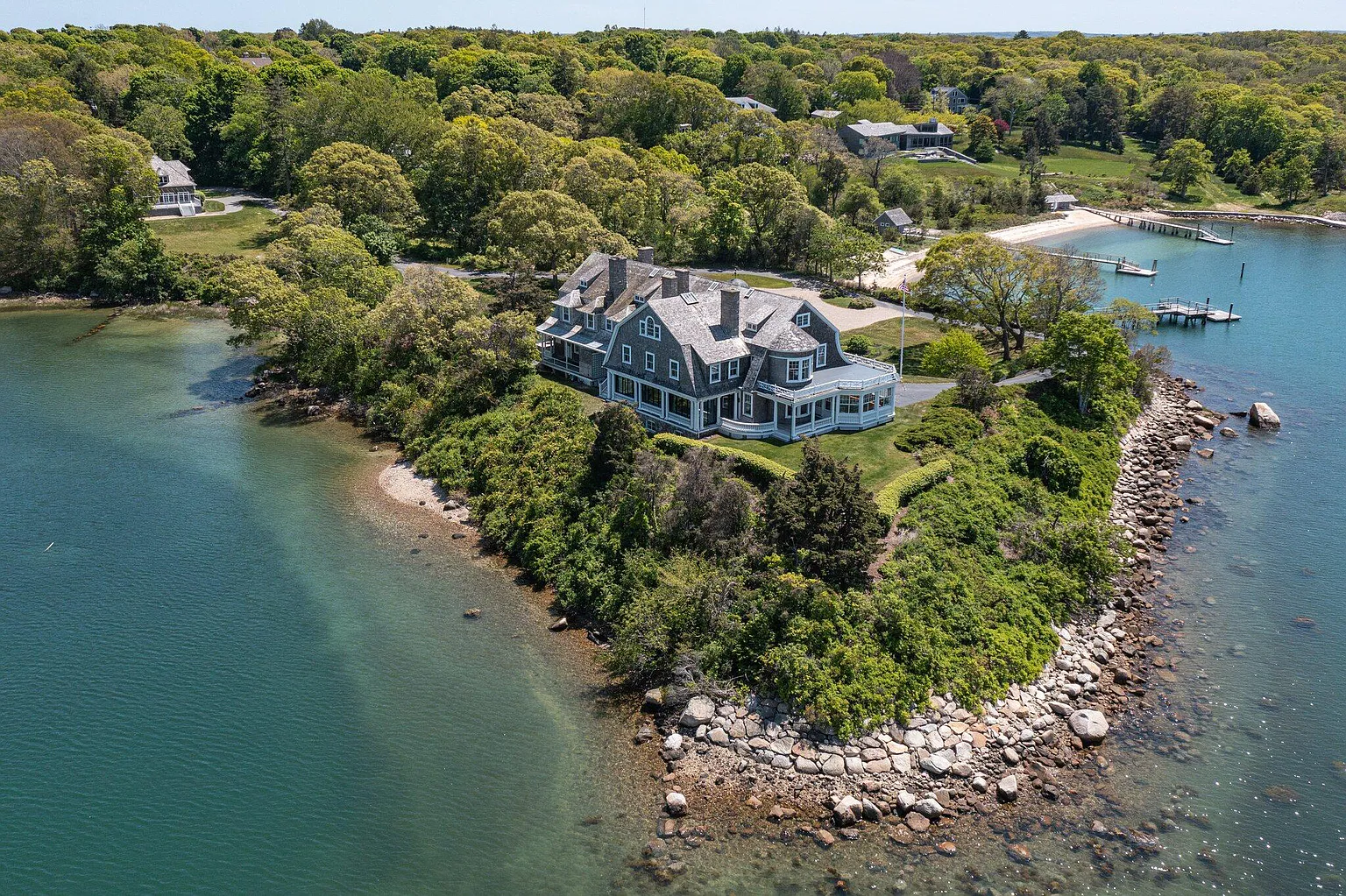
As a followup to the post on the sale of the Quissett estate, previously owned by the National Academies and used for conferences and meetings, the purchasers are William F Scannell and his wife Elizabeth A Scannell. Bill Scannell is President of Global Sales & Customer Operations at Dell Technologies.

The property was on the market for 2 years, and the purchase price was only about half of what NASEM was asking. NASEM must have really wanted to unload this great property which served the marine science community well for nearly 50 years

Read Full Post »

According to Zillow, the National Academies beloved Jonsson Center in Woods Hole was sold on Friday (8/4) for $13.5 million, less than half the original asking price. I have no idea who bought it and how it will be used. The Jonsson Center was an amazing venue for meetings and conferences. The beautiful estate served the marine science and policy communities well for decades.

Read Full Post »