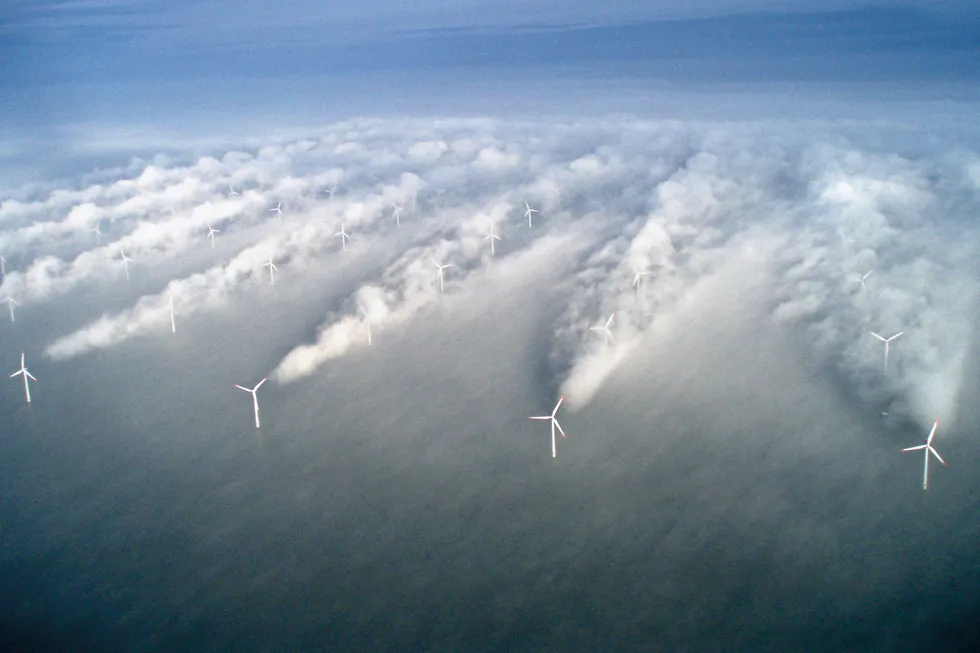
A previous post on wind theft and a recent BBC article point to the rather limited understanding that wind developers and govt land managers have about wind resource management including optimal turbine spacing and protection of correlative rights. Wind is considered a renewable energy resource, but the energy lost through inefficient operating practices is not renewable.
Given that the wake effect can extend for more than 100 km, reduce downwind energy production by >10%, and affect biological productivity, a better understanding of this phenomenon should have preceded the installation of thousands of turbines.
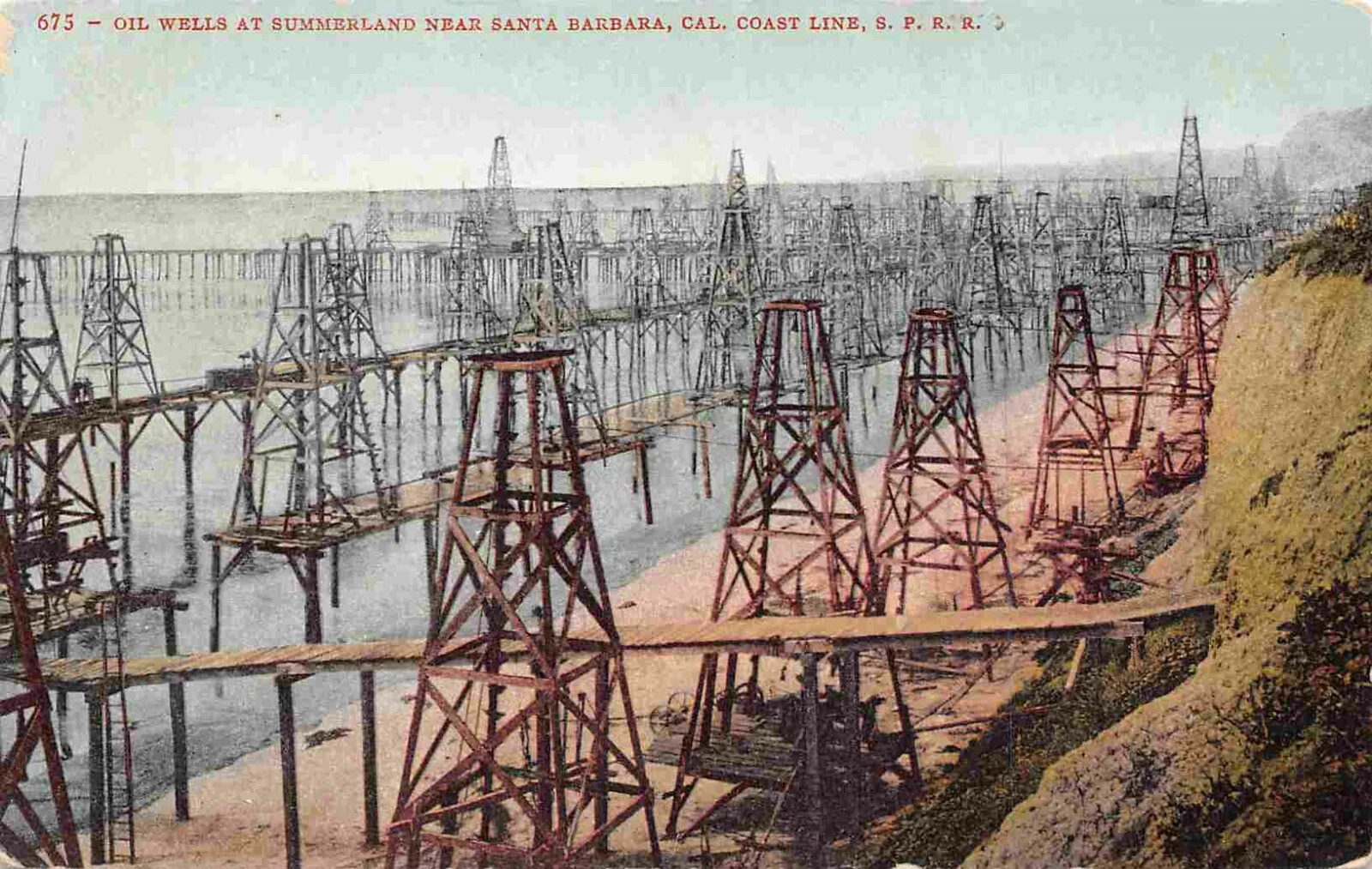

Wind resource management is reminiscent of the early years of oil production when the “law of capture” reigned supreme and wasteful production practices were a self-defense mechanism.
.

 Bud's Offshore Energy (BOE)