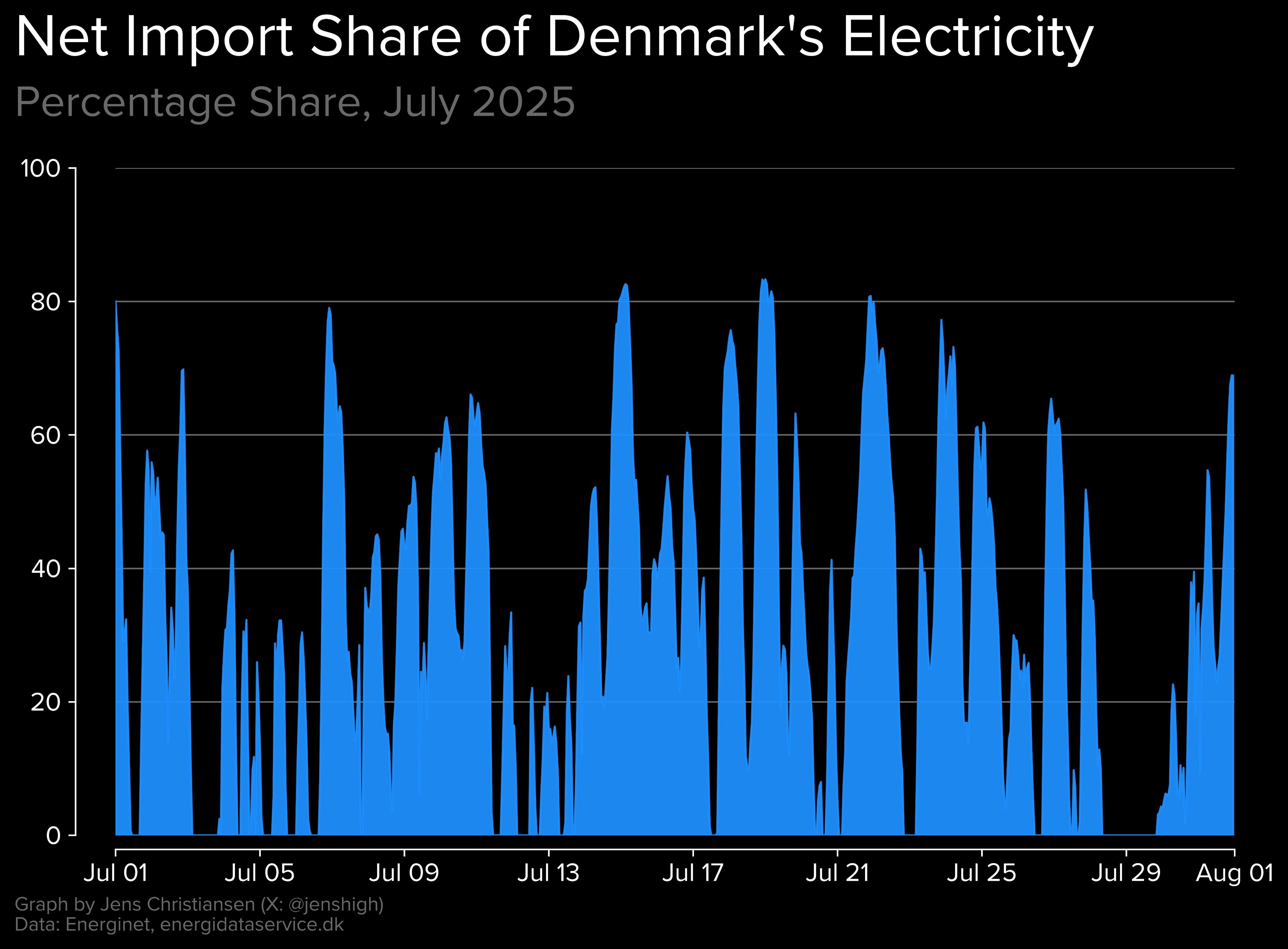
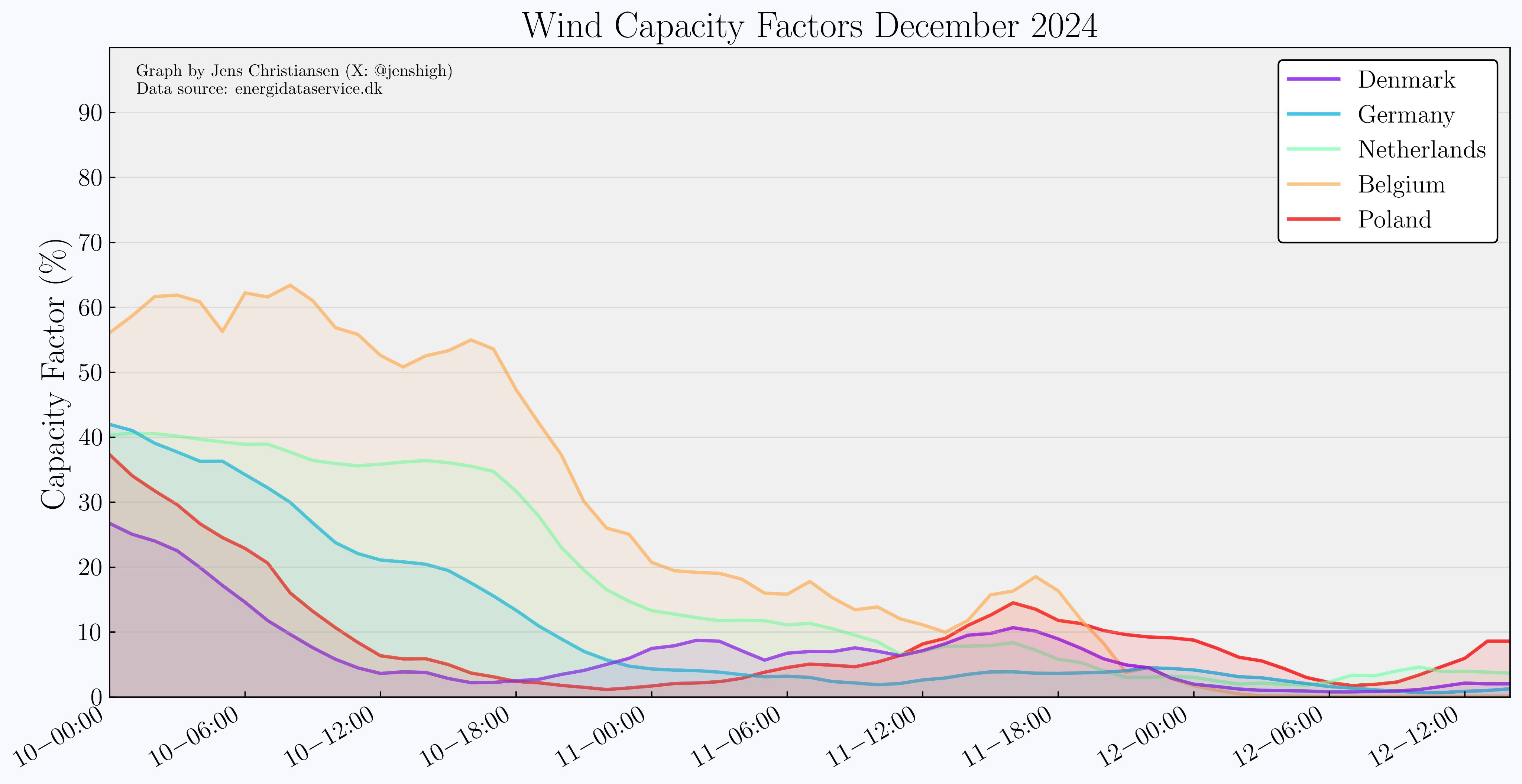
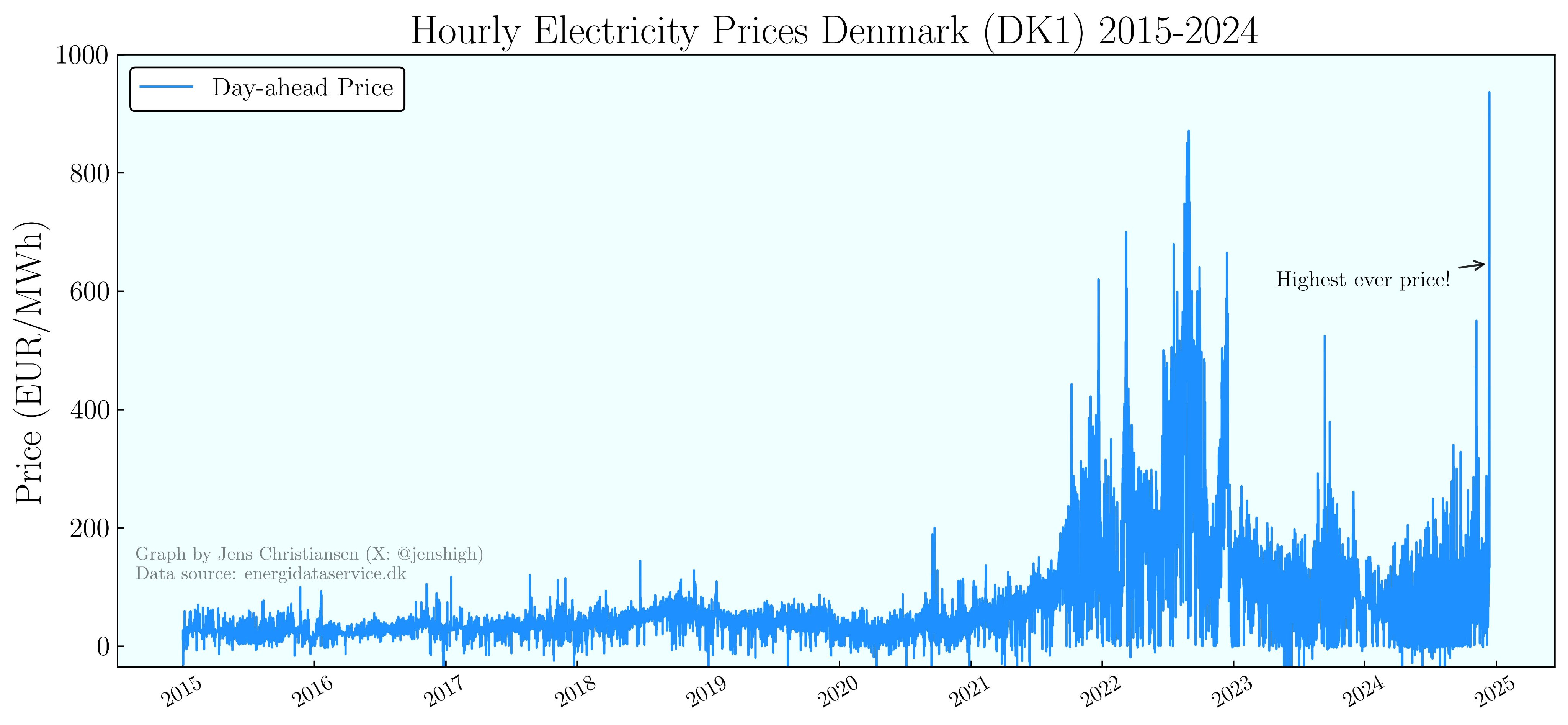
As indicated in the Jens Christiansen graphic above, Denmark’s net imports exceeded 80% of demand several times in July. Per Jens, a Danish physicist, “this is the downside of being a wind leader we have to talk about.”
Posted in climate, energy policy, Offshore Wind, tagged Denmark, electricity imports, Jens Christiansen, Wind Energy on August 6, 2025| Leave a Comment »
As indicated in the Jens Christiansen graphic above, Denmark’s net imports exceeded 80% of demand several times in July. Per Jens, a Danish physicist, “this is the downside of being a wind leader we have to talk about.”
Posted in energy policy, Offshore Wind, tagged Denmark, Die Dunkelflaute, Europe, Jens Christiansen, Wind Energy on December 12, 2024| Leave a Comment »
Posted in climate, energy policy, Offshore Wind, UK, tagged Beatrice Wind, Block Island Wind, German wind power, Gone with the Wind, subsidies, Wind Energy on November 26, 2024| Leave a Comment »
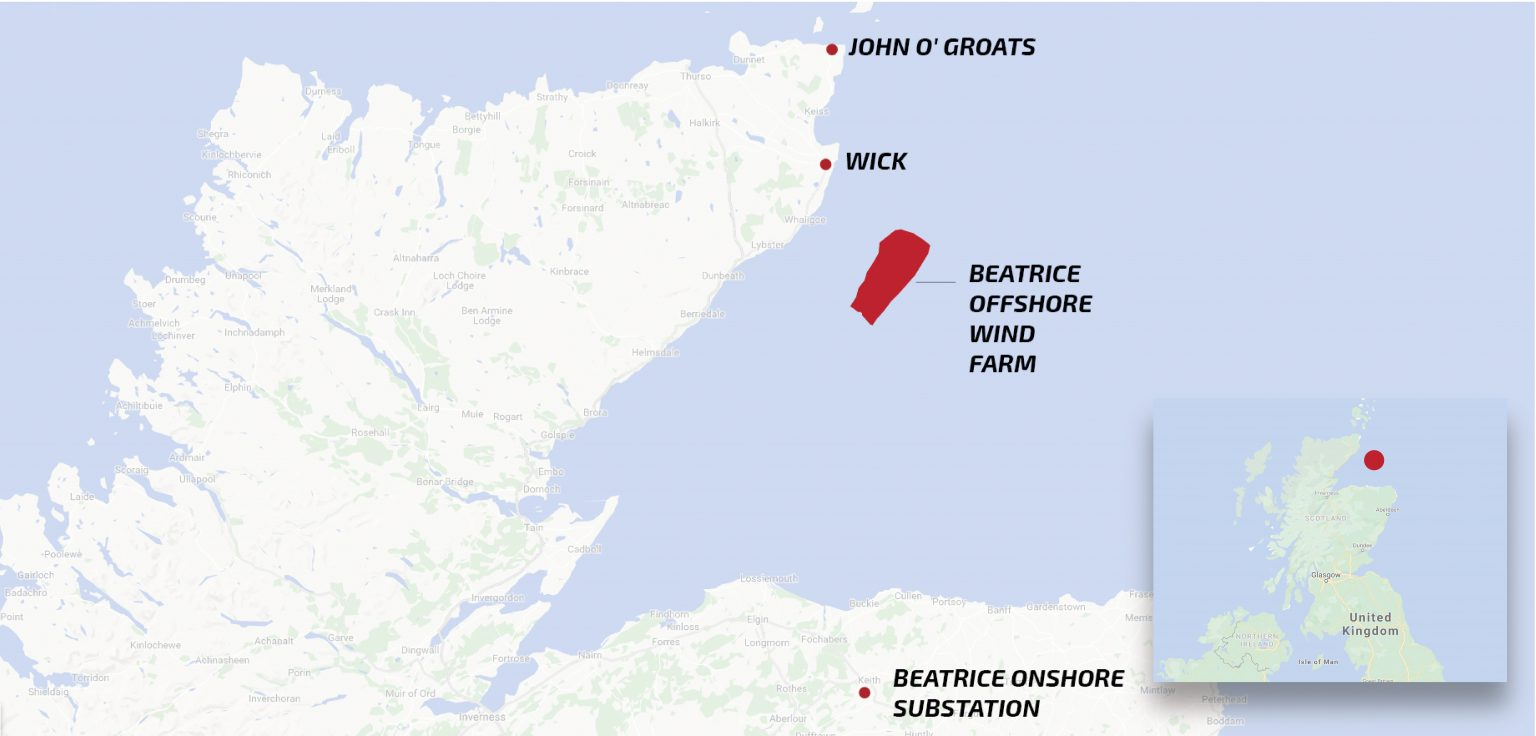
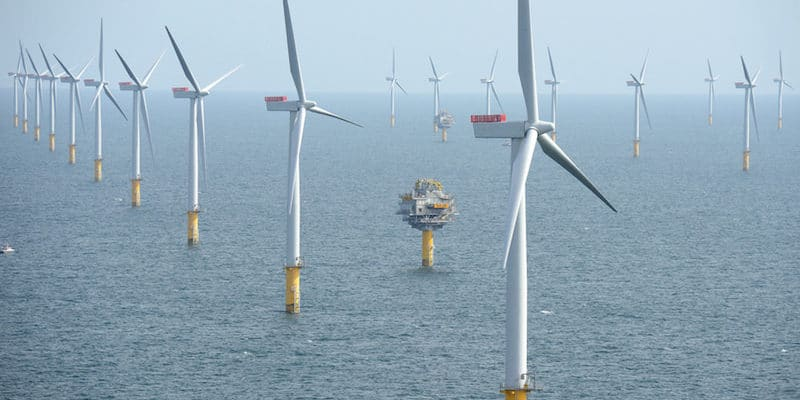
The Beatrice Offshore Windfarm has become the fourth UK windfarm to have received more than £1 billion in subsidy payments. The landmark was reached in just its seventh year of operation, suggesting that it could reach £2 billion over the course of its subsidy agreement.
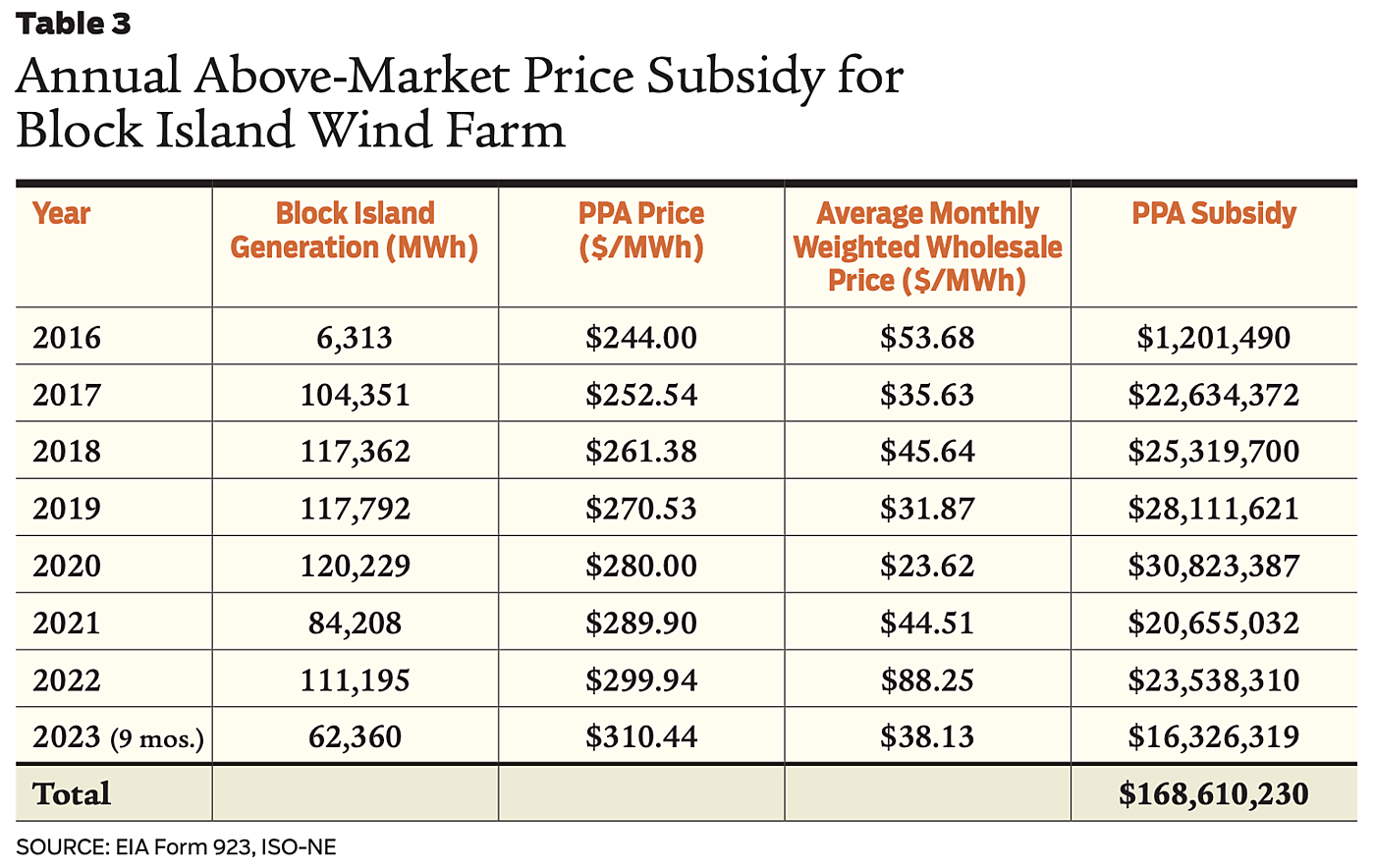
Block Island Wind Farm – “America’s Starting Five” (first 5 offshore turbines) – reliably generates subsidies (table below).
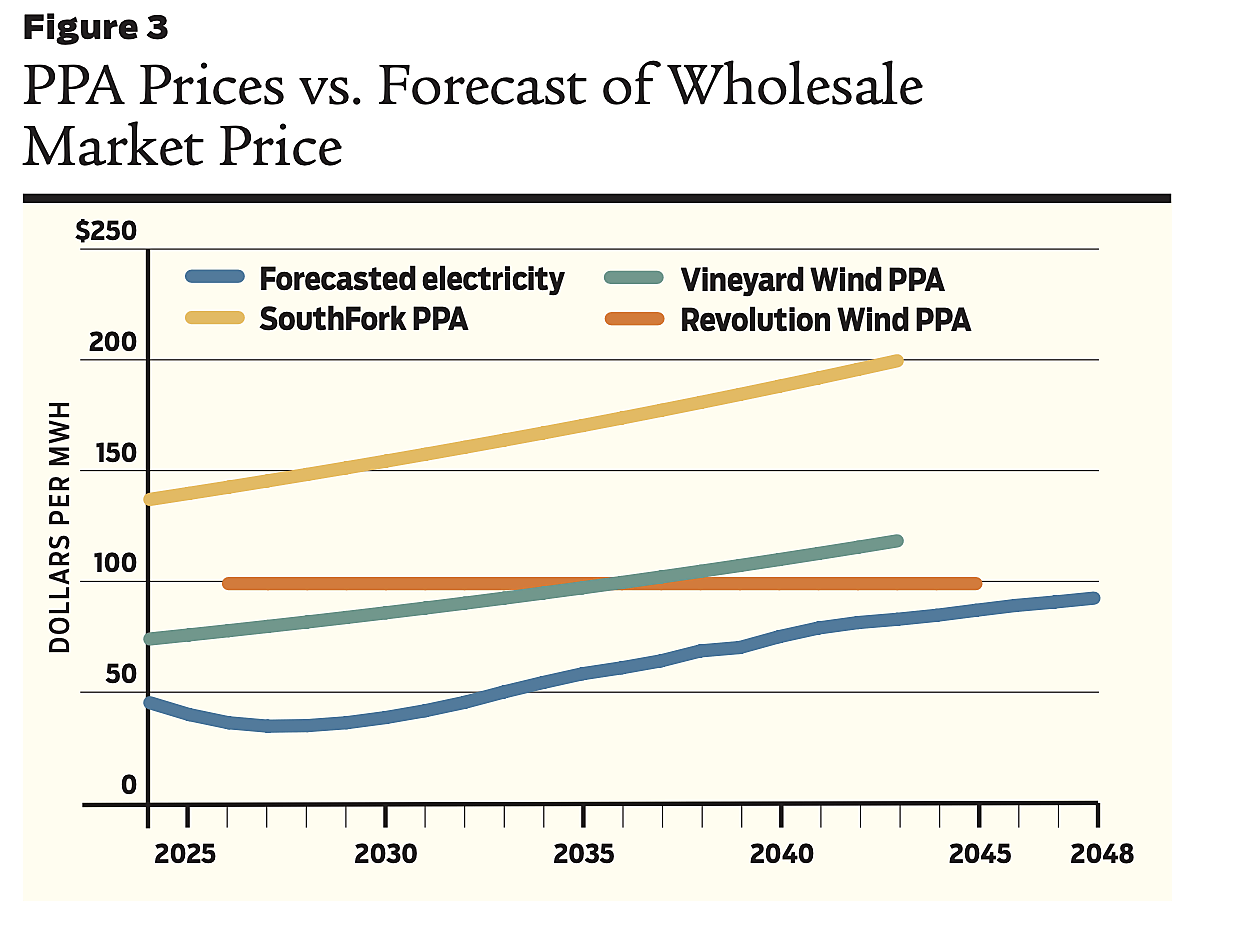
Projected PPA subsidies for other Atlantic wind projects:
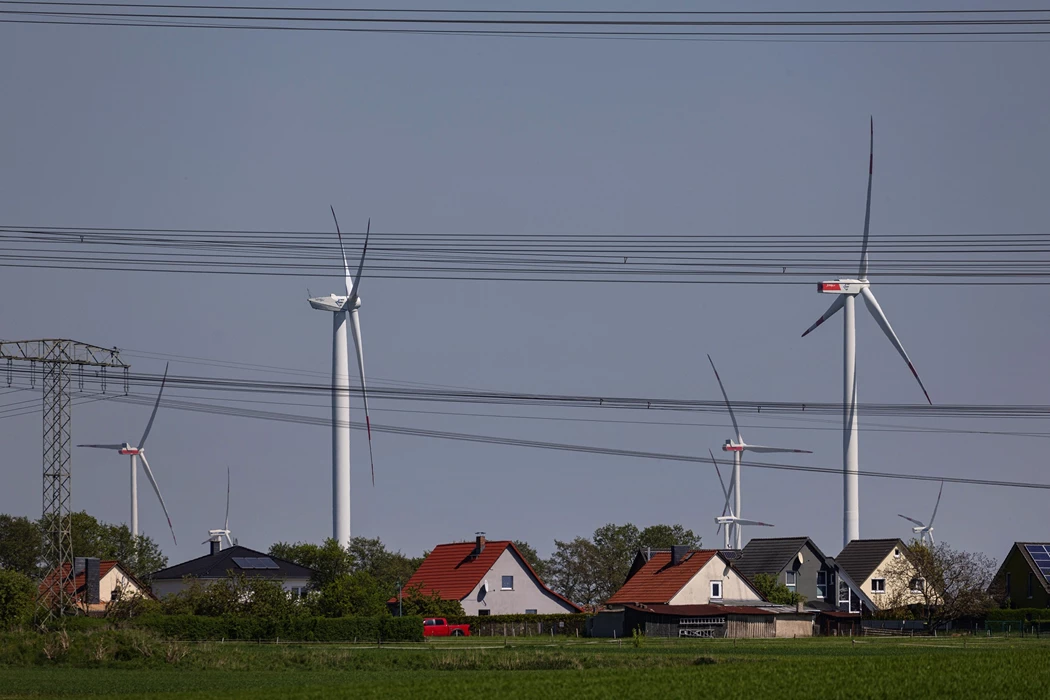
Vom Winde verweht: Germany will pay as much as €20 billion to wind and solar operators through the end of 2024, twice what grid operators had forecast in last October.
Posted in climate, energy, Wind Energy, tagged Anemoi, JL Daeschler, no wind, Wind Energy on September 21, 2024| Leave a Comment »
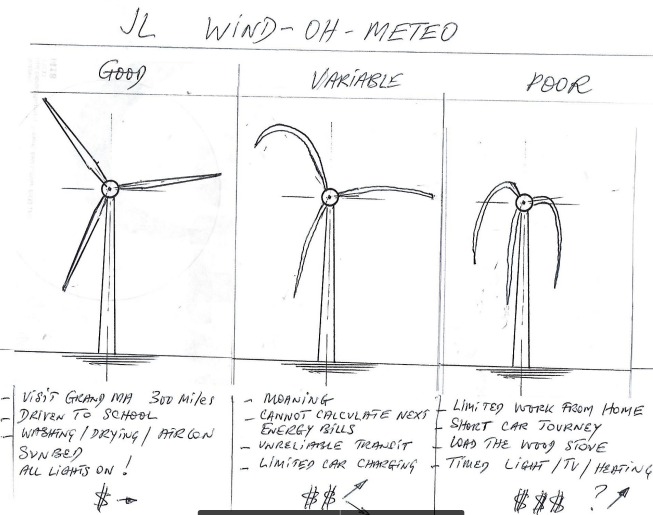
JL Daeschler reports that there has been no wind for the past 4 days at his home in Scotland, and his wind gauge is droopy. (See his sketch below and read the fine print 😉)
Posted in energy, energy policy, natural gas, Offshore Energy - General, Offshore Wind, tagged natural gas, reliable energy, Wind Energy, wind stops blowing on July 26, 2024| Leave a Comment »
July 24 (Reuters) – The amount of electricity produced by wind farms in the U.S. fell to a 33-month low on Monday, forcing power generators to crank up natural-gas fired plants to keep air conditioners humming during a hot summer day.
Over the past few years, much of the money energy firms have invested in new generation has gone into renewable power sources like wind and solar. But when the wind stops blowing and the sun does not shine, gas is still needed to keep the lights on.
Funny how that works! Being trendy and highly promoted doesn’t make you reliable!
Posted in Canada, energy policy, Offshore Energy - General, Offshore Wind, Regulation, tagged Argentia, Jones Act, monopiles, Newoundland, Wind Energy on July 17, 2023| Leave a Comment »
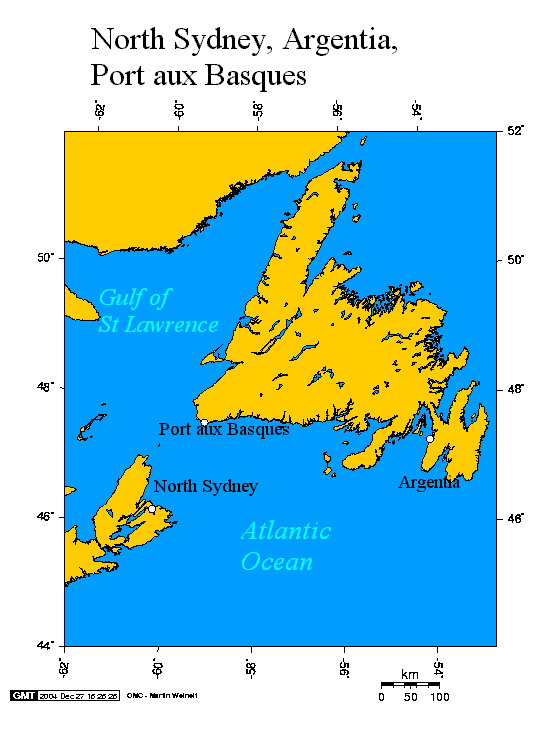
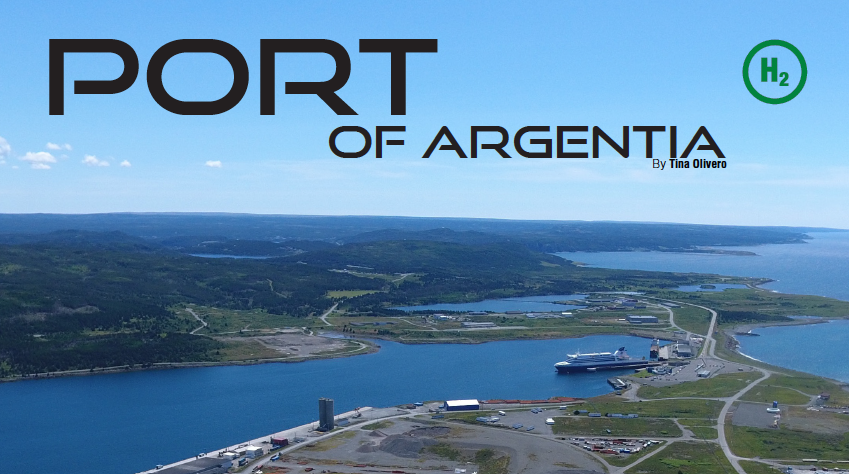
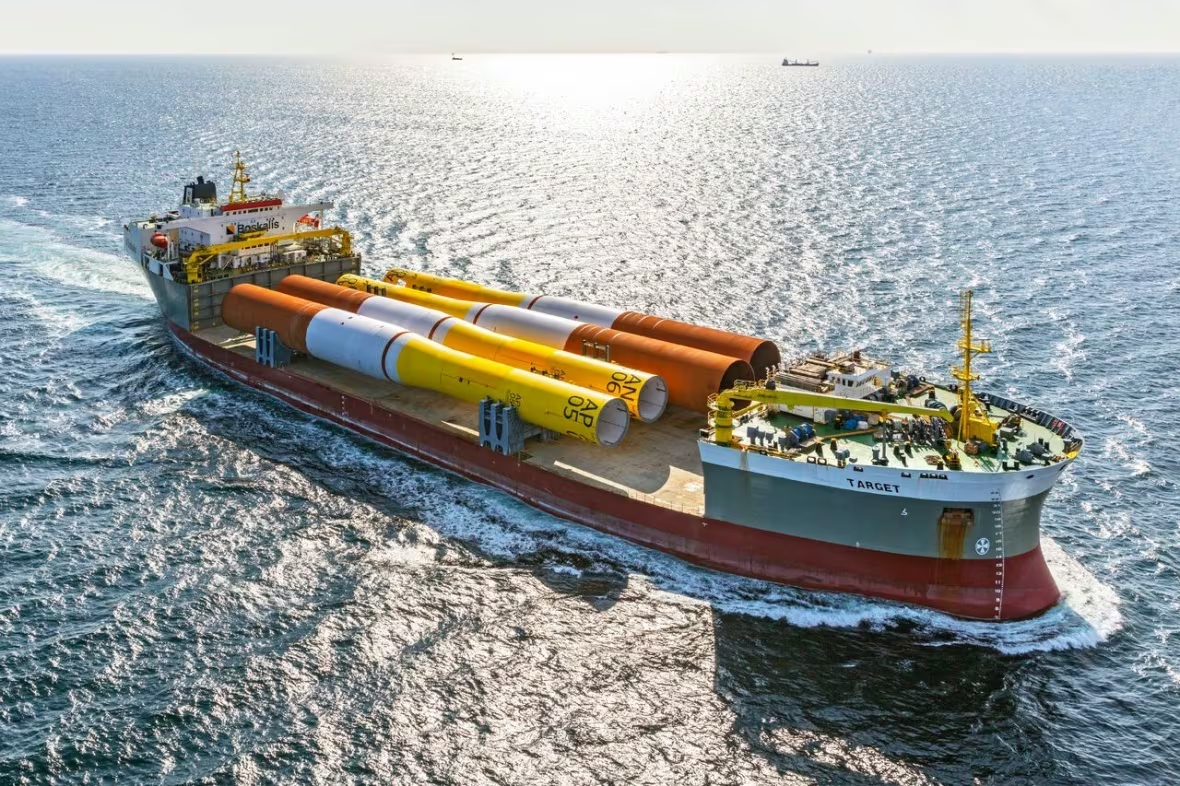
The Jones Act, protectionism at its finest, was enacted 113 years ago, and stipulates that vessels which transport merchandise or people between two US points must be US built, flagged, owned, and crewed. Congress tightened the screws further by ordaining that offshore energy facilities, including wind farms, are US points. That precludes the transportation of wind turbine components from US ports to offshore wind farms.
The Jones Act has thus provided an opportunity for the Port of Argentia, a former US Navy base in southeast Newfoundland, and the port is set to become a key node in the offshore wind supply chain. Monopiles constructed in Europe will be stored in Argentia, until they are delivered to US wind farms in the North Atlantic. Kudos to the folks at the Port of Argentia for taking advantage of this opportunity.
Posted in climate, energy policy, Uncategorized, tagged solar energy, Wind Energy on March 7, 2022| Leave a Comment »
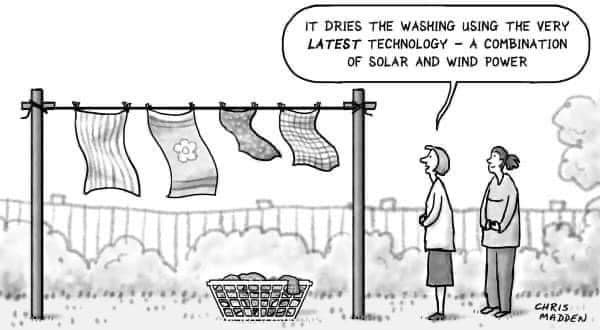
My mother was a hard-working Quaker farm girl who hung the wash outside until her final days and otherwise conserved energy in a manner that was consistent with her values – thrift, simplicity, and love of fresh air. While there are still many common sense conservationists, professional alarmists have gained control of environmental messaging and dominate fundraising. It may be time for the environmental community to reassess its direction.
Posted in accidents, Offshore Wind, Wind Energy, tagged Coast Guard, liftboat, Offshore Wind, Russell Peterson, Wind Energy on November 11, 2010| 2 Comments »
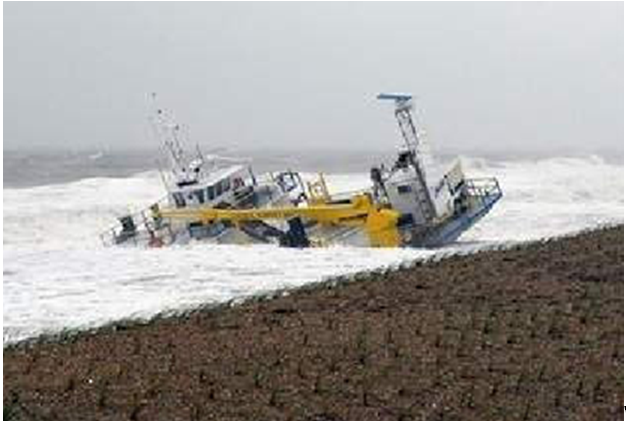
Liftboat Russell Peterson, May 12, 2008
Malcolm Sharples reminds us that the Coast Guard still hasn’t completed the investigation of the tragic liftboat accident in May 2008. The boat was conducting research for a proposed offshore wind project. Why the delay?
Here is more information from Malcolm:
Liftboat Russell W. Peterson damaged in storm, 1 person died, 1 person injured ; “One dead, one rescued as research vessel sinks off Rehoboth”. One crewman died today after gale force winds pounded a specialized research ship that was launched in March to study Delaware’s offshore wind power resources, forcing the Coast Guard to pull two crewmen from the sinking vessel. Coast Guard Petty Officer Nick Cangemi said one of the two crew members of the RV Russell W. Peterson did not have any vital signs when a helicopter arrived on the scene this morning. “We took both people to the hospital in Maryland, where the hospital declared one of the gentlemen deceased,” Cangemi said. They were taken to Peninsula Regional Medical Center in Salisbury, MD. The ship was left adrift and ran aground at Bethany Beach.
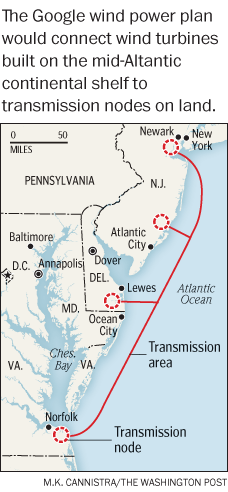
Posted in Offshore Wind, Wind Energy, tagged Atlantic, Google, grid, Offshore Wind, Wind Energy on October 12, 2010| Leave a Comment »
Posted in gas, natural gas, Offshore Wind, Wind Energy, tagged natural gas, noise, Offshore Wind, Vinalhaven, Wind Energy on October 12, 2010| Leave a Comment »
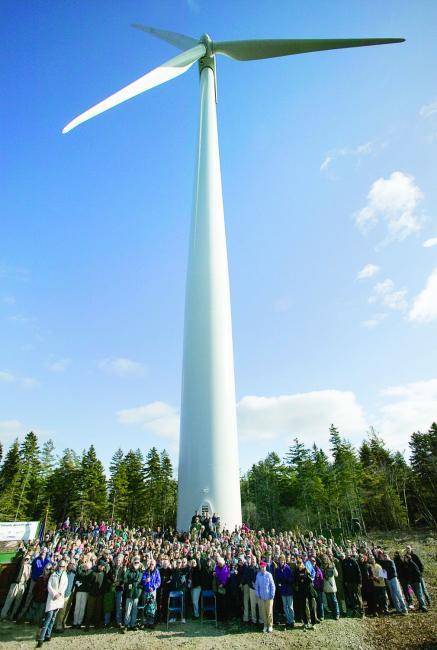
-Locating wind projects offshore minimizes noise and visual issues, but increases costs and operational complexity. There are always trade-offs.
-When all environmental impacts are considered, offshore natural gas is tough to beat: minimal visual impacts, none of the freshwater issues that are complicating shale gas development, few land use issues, little or no spill risk (depending how dry the gas is). The trade-off is CO2 emissions. While combustion of natural gas emits 30% and 45% less CO2 than oil and coal respectively, the CO2 emissions are still significant.
 Bud's Offshore Energy (BOE)