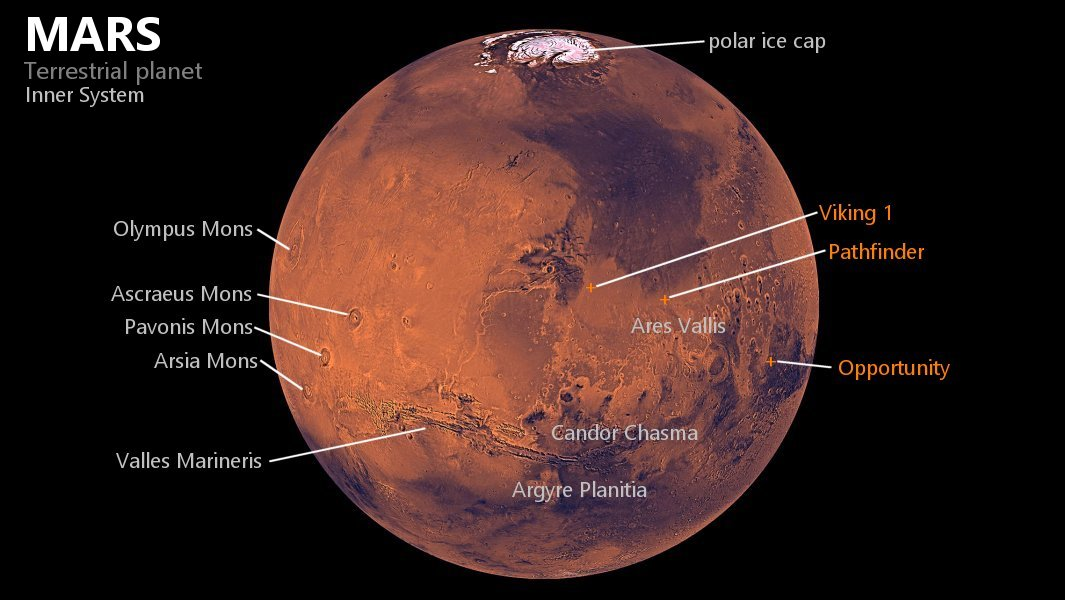
In light of the recent NASA/SpaceX advances in rocketry, a manned mission to Mars seems inevitable, perhaps within the next 5 years. See the SpaceX Mars landing video below.
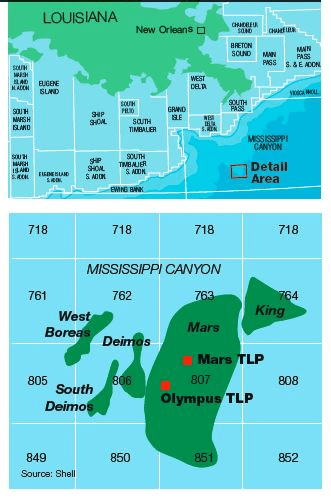
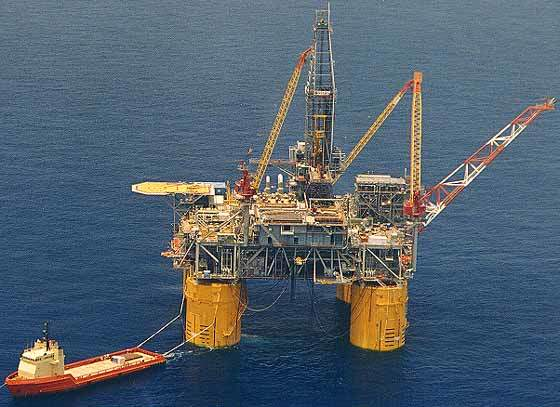
While the space program generates more media buzz given the sci-fi appeal, the achievements of the offshore oil and gas industry are similarly impressive. The Gulf of America has its own Mars, a massive deepwater project that has been ongoing and expanding for 30 years, and may ultimately produce more than 1 billion barrels of oil equivalent (boe).
Like a mission to Mars, the successful development of deepwater oil and gas resources is a technical marvel that requires:
- Identifying prospects deep beneath the seafloor using advanced subsurface imaging capabilities.
- Drilling exploratory wells from floating rigs, using advanced stationkeeping systems that maintain a precise location on the water surface.
- Drilling deep beneath the seafloor while transmitting real-time geologic, temperature, and pressure data to the rig and distant onshore locations.
- Ensuring well integrity by installing and cementing multiple strings of protective casing.
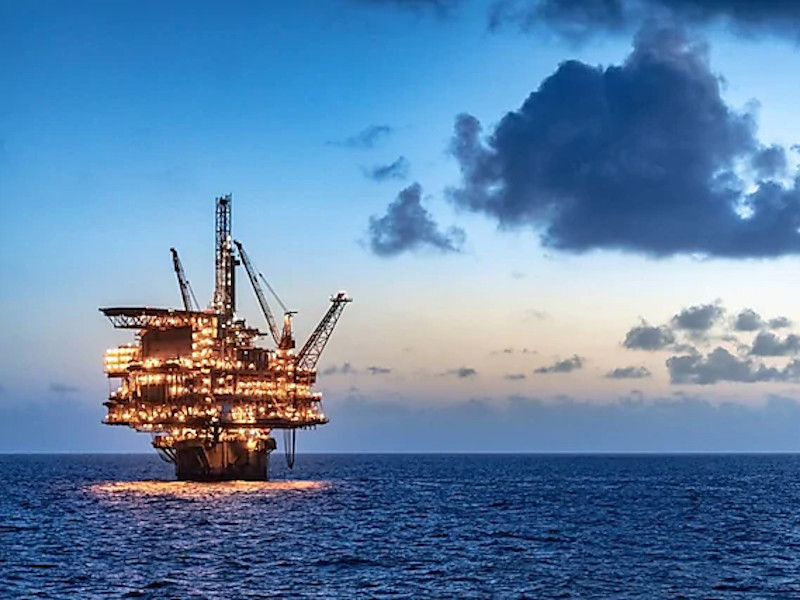
- Processing production at buoyant surface facilities designed to withstand worst case storm conditions.
- Connecting clusters of subsea wells to a host surface facility that may be many miles away.
- Increasing ultimate recovery with reservoir engineering studies and advanced well completion practices.
Life on the planet Mars will be dependent on technology developed for the offshore Mars and other deepwater projects.

 Bud's Offshore Energy (BOE)