…Rick Carrier became the first allied soldier to discover the Buchenwald concentration camp. The next day, April 11, 1945, he marched into the camp with Patton’s Third Army and liberated the prisoners.
More than a half century later, and after leading a successful effort to protect the American bald eagle, he was the first person to submit an offshore wind application to the Minerals Management Service.
Rick wanted nothing from the government except the opportunity to demonstrate his green hydrogen concept with a single turbine in the Atlantic. He did not ask for any subsidies or research grants. This war hero from the greatest generation just wanted to continue doing great things for the country and the world.
Unfortunately, the Energy Policy Act of 2005 had yet to be enacted, and the framework for permitting such projects had not been established. While we tried to find a way to make the project possible, the legal obstacles were too great.
It was an honor to have worked with Rick on his green hydrogen initiative. RIP.
Rick was one of the first Americans on Utah Beach during the D-Day invasion, helped to protect the endangered American Bald Eagle, and was an offshore energy (green hydrogen) pioneer. More about Rick.
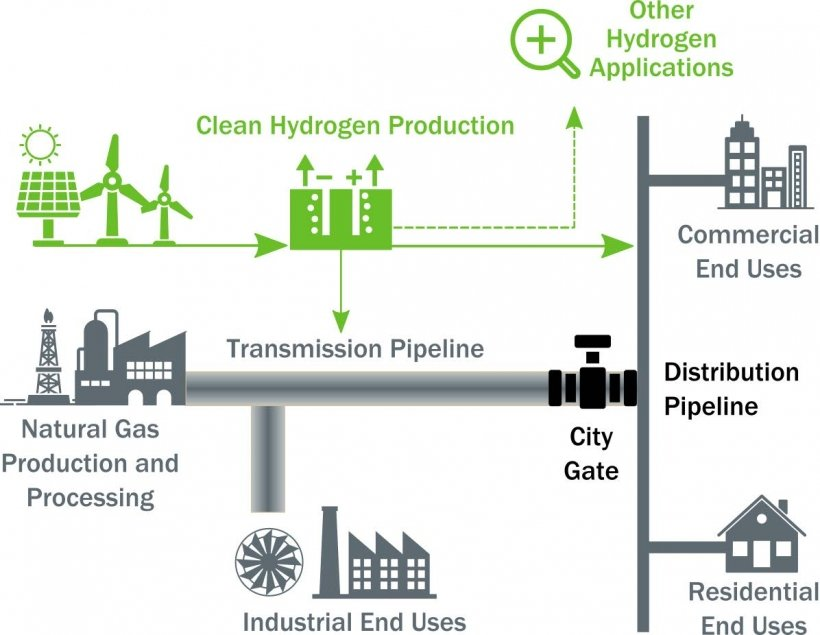
The study will help to determine the extent to which hydrogen can be transported in natural gas pipelines without introducing embrittlement and other pipeline safety risks.
The growing interest in green hydrogen inspired me to write a post about Rick Carrier, a war hero and visionary who is largely unknown to the offshore energy community. Rick’s plan for a Mid-Atlantic wind-hydrogen demonstration project was the first offshore wind proposal submitted to the Minerals Management Service, the bureau that initiated the offshore wind program in the U. S.
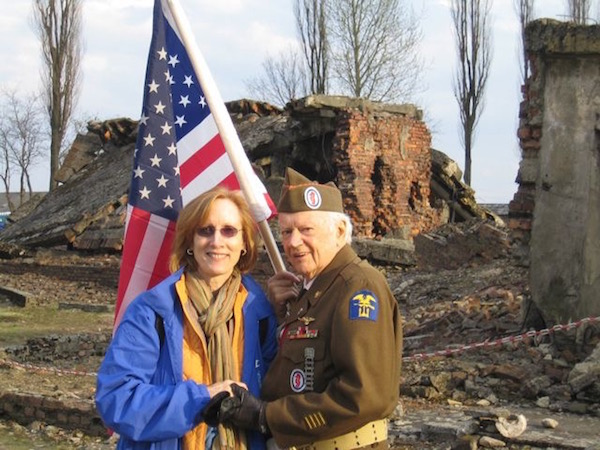
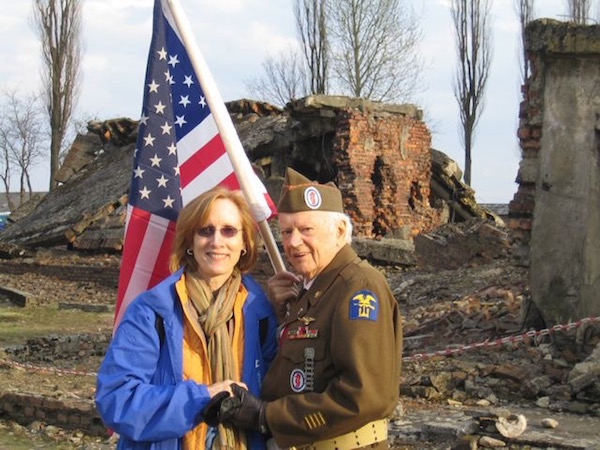
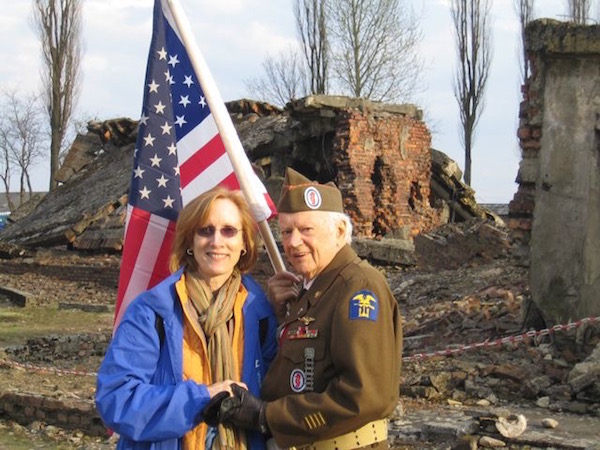
Rick Carrier lived an amazing life – WWII hero, artist, playwright, diver, conservationist, green hydrogen pioneer, and more. Perhaps most noteworthy were his military accomplishments. He was among the first Americans to land on Utah Beach during the D-Day invasion. He subsequently became the first allied soldier to discover the Buchenwald concentration camp. The next day, April 11, 1945, he marched into the camp with Patton’s Third Army and liberated the prisoners. Rick is pictured above at the 2012 March of The Living, an annual walk down the 3-kilometer path from Auschwitz to Birkenau. In June of 2014, Rick returned to Normandy for a ceremony marking the 70th anniversary of D-Day. Later that year, the President of France awarded him the Chevalier of the Legion of Honor — France’s highest honor.
Rick founded the USA Bald Eagle Command in 1975 to protect the endangered American Bald Eagle. The organization’s efforts played a role in President Reagan’s declaration of June 20, 1982 as National Bald Eagle Day. Through the efforts of this and other conservation groups, the Bald Eagle was removed from the Endangered Species list in 2007.
Rick’s green hydrogen proposal was yet another patriotic venture. Through his non-profit, Bald Eagle Energy, he sought to demonstrate the commercial potential for using offshore wind energy to produce hydrogen from sea water. Unfortunately, the framework for permitting such projects had not yet been established. While we tried to find a way to make the project possible, the obstacles were too great.
 Bud's Offshore Energy (BOE)