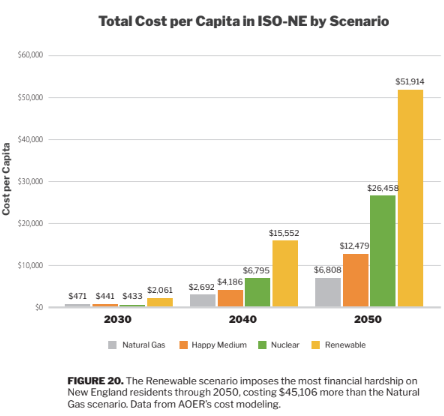
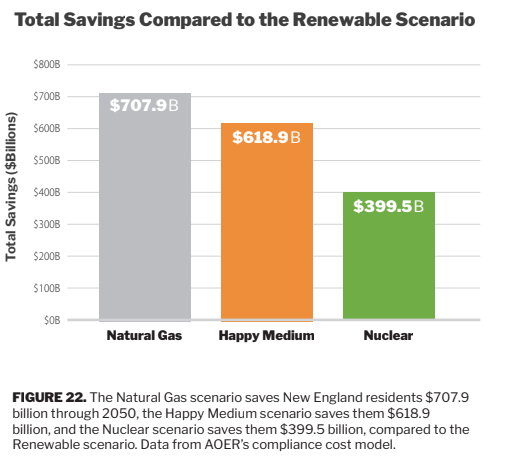
The Always On Energy Research report is attached. Conclusion:
“In other words, dispatchable generation saves New England hundreds of billions of dollars and avoids blackouts. In the end, the idea that New England can run its electric grid on wind turbines, solar panels, and batteries is a dangerous and unserious proposition.“
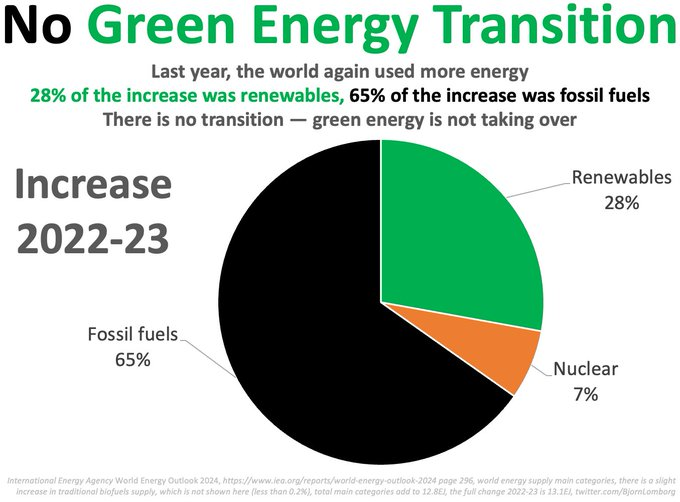
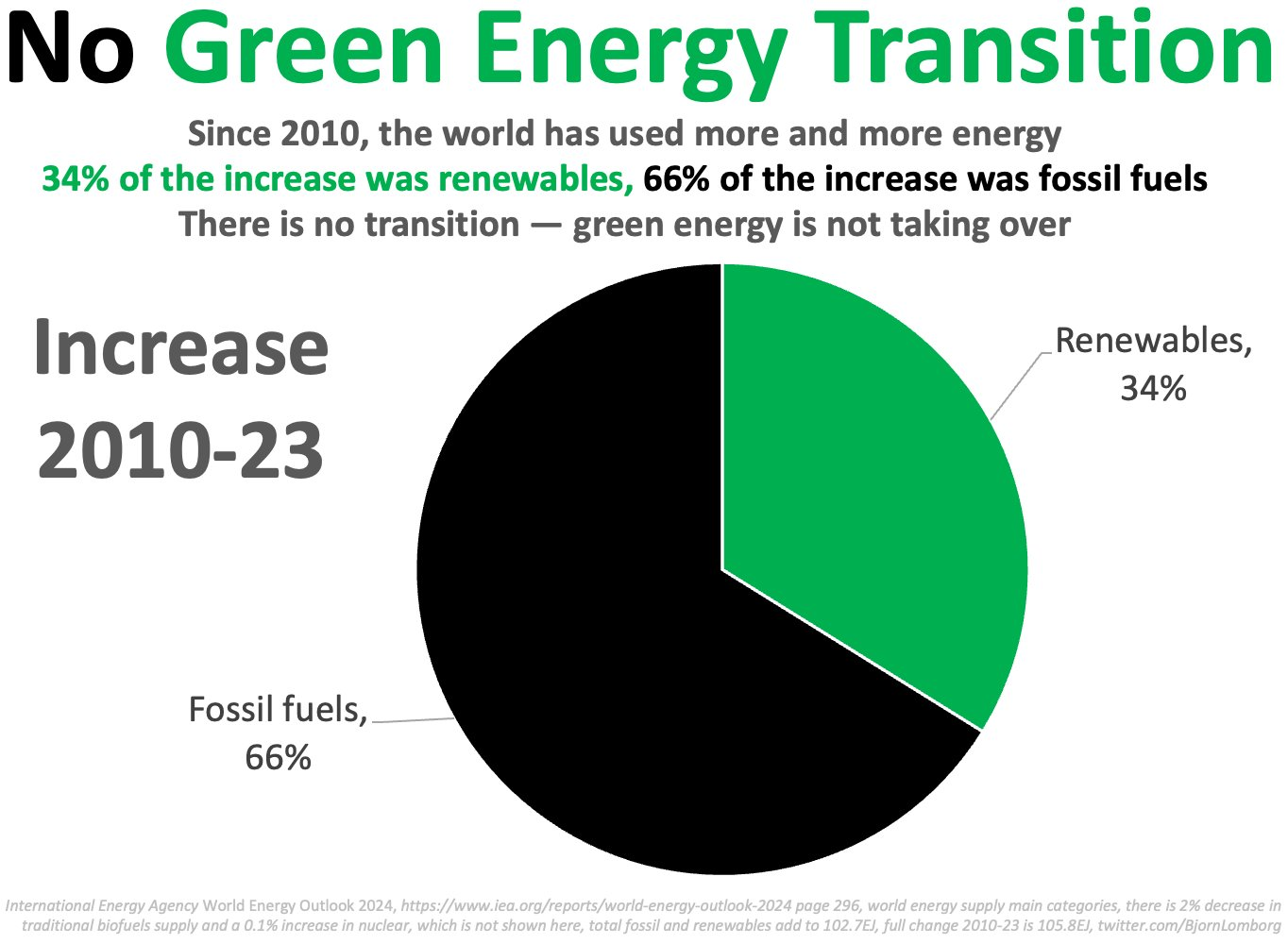
The 19th century is known as the “century of coal,” but, as the technology scholar Vaclav Smil has noted, not until the beginning of the 20th century did coal actually overtake wood as the world’s No. 1 energy source. Moreover, past energy transitions have also been “energy additions”—one source atop another. Oil, discovered in 1859, did not surpass coal as the world’s primary energy source until the 1960s, yet today the world uses almost three times as much coal as it did in the ’60s.
Aissatou Sophie Gladima, the energy minister of Senegal, put it more pithily: Restricting lending for oil and gas development, she said, “is like removing the ladder and asking us to jump or fly.”
Christyan Malek, JPMorgan’s top energy strategist: That intrinsic demand that is not visible is so significant that we don’t see demand peaking – I don’t think we’ll see [oil] demand peaking in our lifetimes,” he said. “Particularly as demand growth in [emerging markets] continues to surprise the upside.”
WASHINGTON, D.C. — The Biden-Harris Administration, through the U.S. Department of Energy (DOE), today announced $26 million to fund projects that will demonstratethat America’s electricity grid can reliably run with a mix of solar, wind, energy storage, and other clean distributed energy resources.
Shouldn’t the research precede DOE’s declaration of victory?
Rest assured that none of the studies will question the reliability of a grid dependent on DOE’s preferred energy mix; nor will they raise concerns about the associated economic, national security, or environmental risks. These are the types of projects that the WSJ calls “Green Pork.”
Those who don’t think natural gas is a renewable energy resource haven’t paid much attention to biomethane. Biomethane can be collected from sewage sludge, landfills, grass, food waste, and agricultural waste. Biomethane collection has 2 major benefits: (1) greenhouse gases emissions are prevented and (2) relatively clean energy is provided. See this great article in Renewable Energy World.
Kudos to the city of Olso, which plans to fuel buses with biomethane. The Oslo program has generated some clever headlines:
The city’s two sewage plants have enough biomethane to provide fuel for the 80 buses, and if the trial is successful Oslo city council plans to convert all 400 of the public buses to run on biogas.
Like Roberto Duran in the famous “no mas” fight with Sugar Ray Leonard, the DC area has proven to be no match for the relentless winter of 2009-10. In offshore facilities design terms, we have experienced two 100-year storms, multiple lesser storms, and lots of snow fatigue!
Powered by Renewable Energy
At BOE headquarters, our low-carbon, renewable energy snow removal system has been seriously tested by the record snowfall, and the planners didn’t take snow-piles (mountains?) into account when they designed our “smart growth” community.
This winter has definitely given a boost to telecommuting advocates. Commuting in these conditions makes little sense for the typical office worker who can work from home. Businesses and government need to fully incorporate telecommuting into their business plans so they can continue operations during snow and other emergencies.




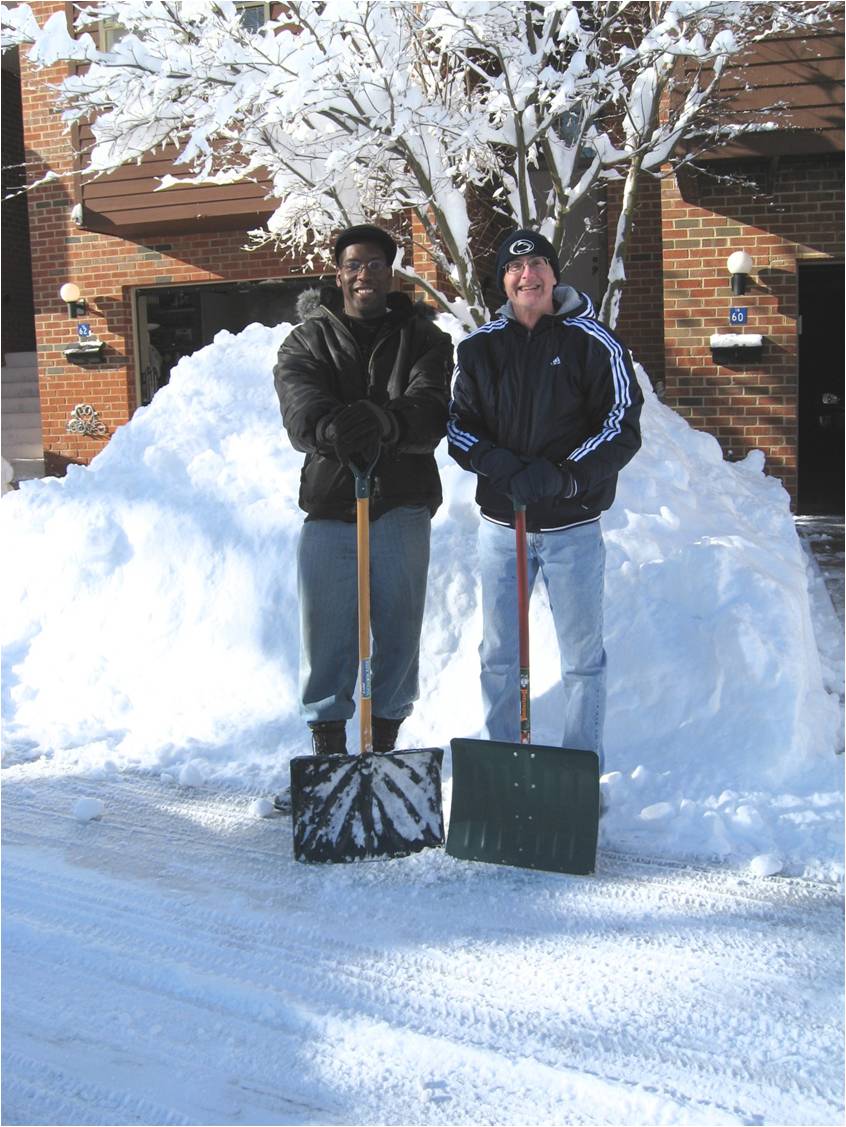
 Bud's Offshore Energy (BOE)