Feeds:
Posts
Comments

Posts Tagged ‘Petronas’

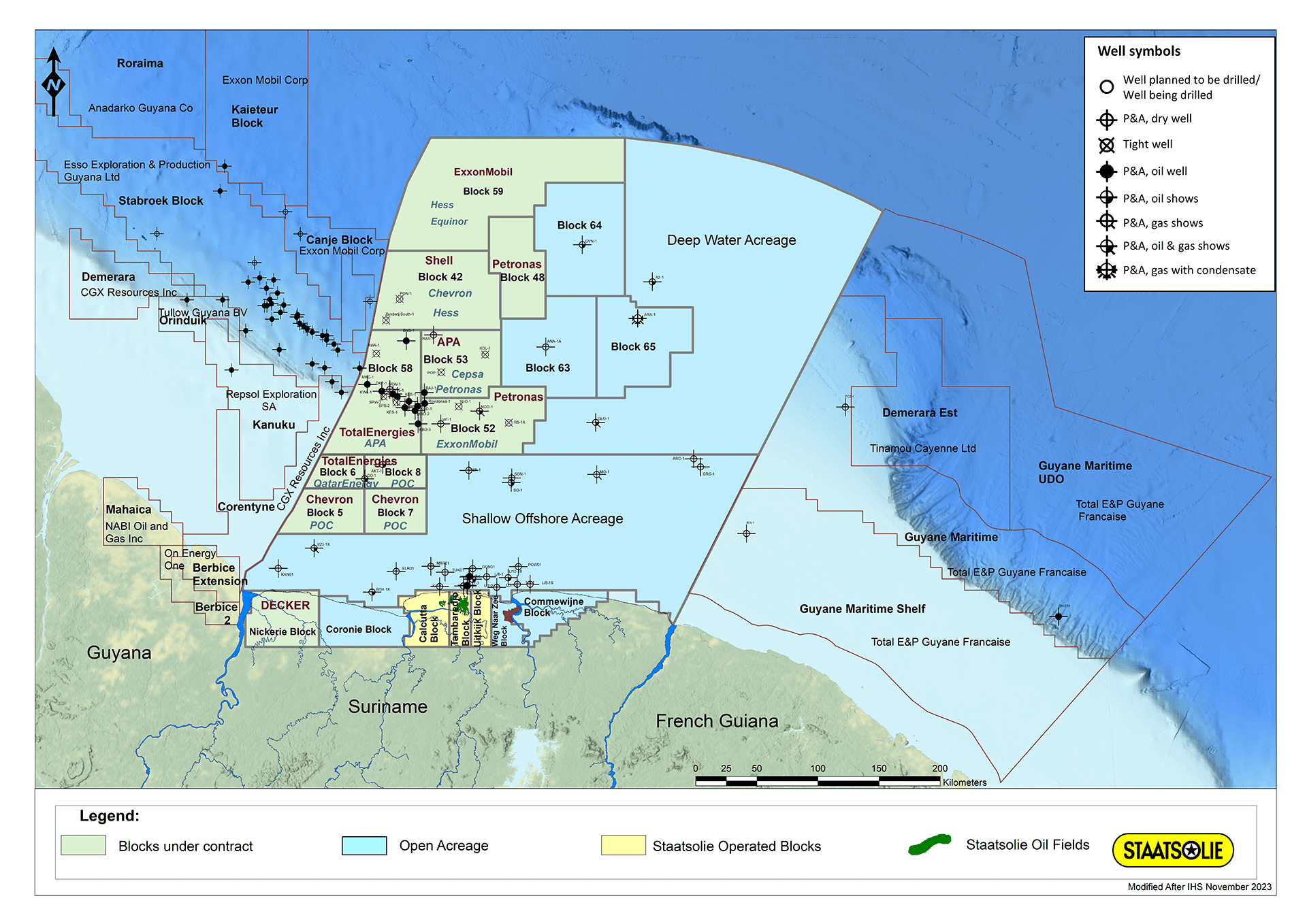
BlockOperatorPartnerswater depth (m)area (sq km)
63Petronas (100%)<13005425
64Total (40%)Qatar Energy (30%)
Petronas (30%)
1300-17006262
65Shell (60%)Qatar Energy (40%)1300-17005000+

Through the PSCs, Staatsolie extends the rights for exploration, development and production to these companies. The costs and risks during the exploration period are fully covered by the latter. The exploration period consists of three phases and will last seven years. An exploration well will be drilled in both Block 64 and Block 65 in the first phase, which will last three years. In Block 63 the first exploration well follows in the second phase of the exploration period. In the event of an oil or gas discovery that is declared commercial, Staatsolie has the right to participate in all three blocks for a maximum of twenty percent from the development period

Staatsolie
Read Full Post »

BOE’s Cheryl Anderson picked up this AP report.  Helicopter accidents continue to be a leading cause of offshore casualties.

A helicopter carrying crew from an offshore drilling rig crashed into the sea off Myanmar, killing three people on board. Eight were rescued.

The aircraft was carrying staff of the Malaysian oil company Petronas from the Yetagun offshore gas field in the Andaman Sea.

The oil field is operated by Petronas Carigali of Malaysia, PTTEP of Thailand and Japan’s Nippon Oil company. Petronas also operates a cross-border gas pipeline to transport gas from Yetagun to Thailand.

Read Full Post »

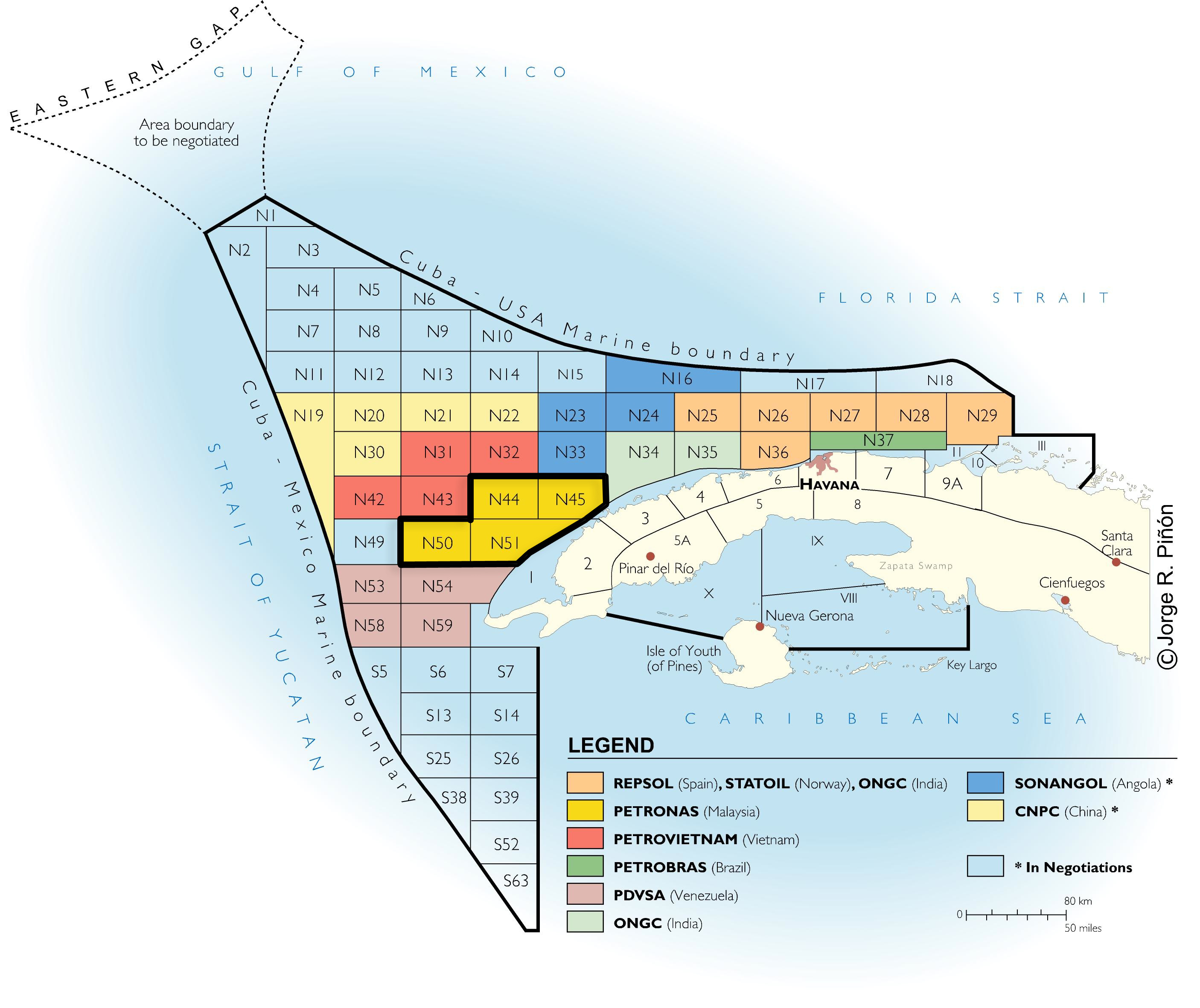
According to CubaStandard.com, we can add Petronas, with Gazprom as a major partner, to the list of companies that will be drilling offshore Cuba next year.  So, as best we can determine, beginning in 2011 the following companies will be using Saipen’s Scarabeo 9 to drill wells offshore Cuba:

  1. Repsol (Spain) with Statoil (Norway) and ONGC (India) each holding a 30% interest
  2. PdVSA (Venezuela)
  3. Petronas (Malaysia ) with Gazprom (Russia) holding a 30% interest

Contrary to our energy, economic, and environmental interests, the US continues to prohibit governmental consultations on these important issues and participation by US companies in any aspect of Cuban offshore operations.

Read Full Post »