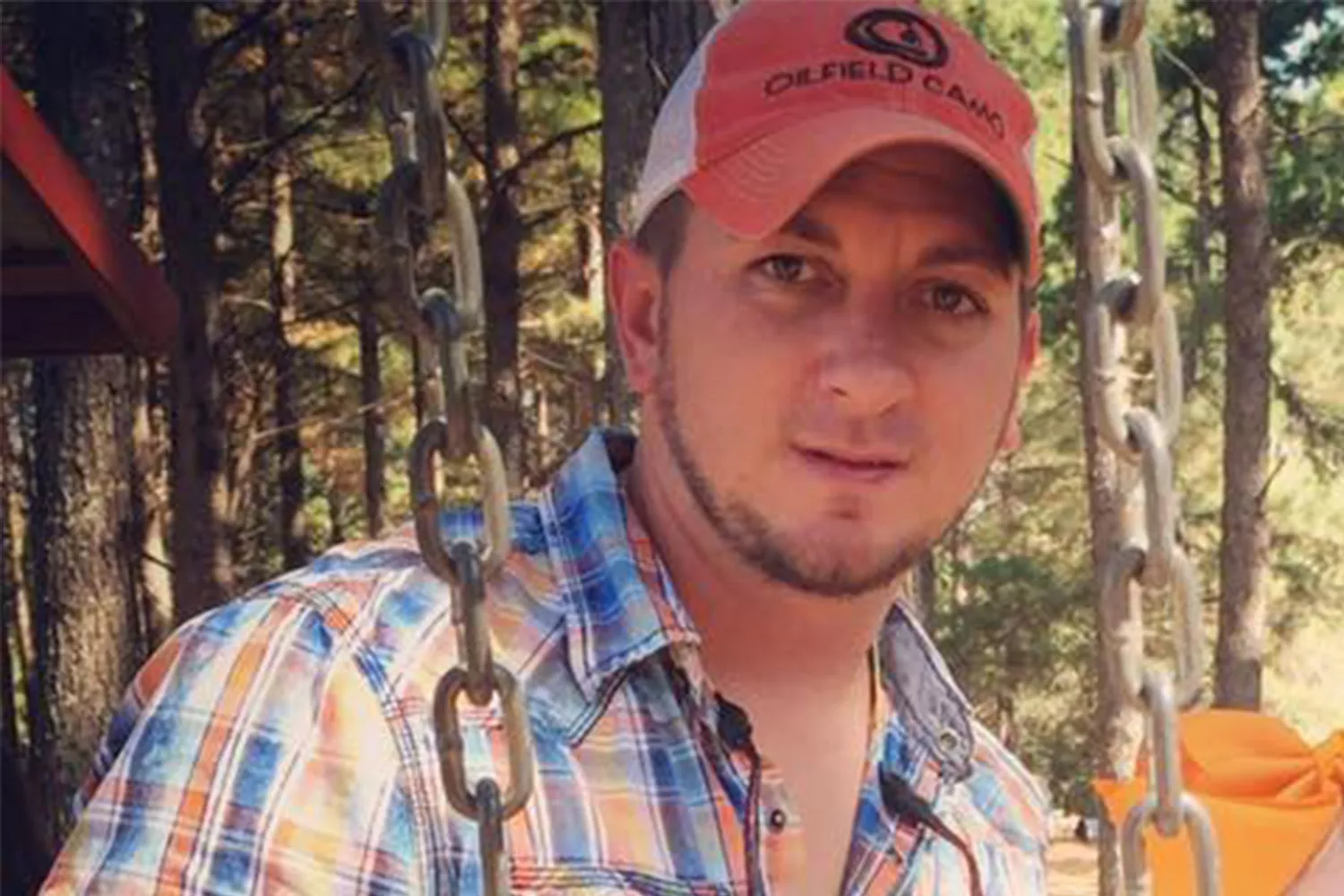
- The bodies of the 4 victims have been recovered.
- The 3 offshore workers were employees of Island Operating Co., a production contractor. The pilot worked for Rotorcraft Leasing Company, the owner of the Bell 406 helicopter that crashed. The platform is owned by Walter Oil and Gas, the operating company.
- A preliminary FAA report confirms that the helicopter crashed onto the helideck during takeoff, breaking apart and falling into the Gulf.
- 4 passengers had been dropped off at the platform before the fatal takeoff. Presumably there were witnesses to the incident.
- According to the FAA report, the platform was located at West Delta Block 106. Per the BOEM platform data base, the platform was installed in 1994, is in 252′ of water, and is continuously manned.
- Per the BSEE INC data base, the platform had not been cited for any violations since 2016.
Lacy Scarborough, wife of victim David Scarborough, is pregnant. Tragically, the couple lost their first child in an accidental drowning in March. David was heading home for the holidays after completing his 2 week shift on the platform. He had worked offshore for 8 years. Per Lacy, David’s last message was that he was taking off and would be home soon.
The only other victim who has been identified is Tim Graham of Quitman, Mississippi.
I trust that the NTSB will conduct a timely and thorough investigation, and hope they consider offshore helideck oversight, both in terms of industry programs and government regulation. The most recent Coast Guard – BSEE MOA for fixed platforms added to helideck regulatory uncertainty by assigning decks and fuel handling to BSEE and railings and perimeter netting to the Coast Guard. This is the antithesis of holistic, systems-based regulation.
More on the crash: ominous message, update #3
 Bud's Offshore Energy (BOE)