Feeds:
Posts
Comments

Posts Tagged ‘Commonwealth Wind’

A BOE post from last December commented on the seemingly irrational bidding for Atlantic and Pacific wind leases. More recent posts have reported on the woes of Atlantic leaseholders.

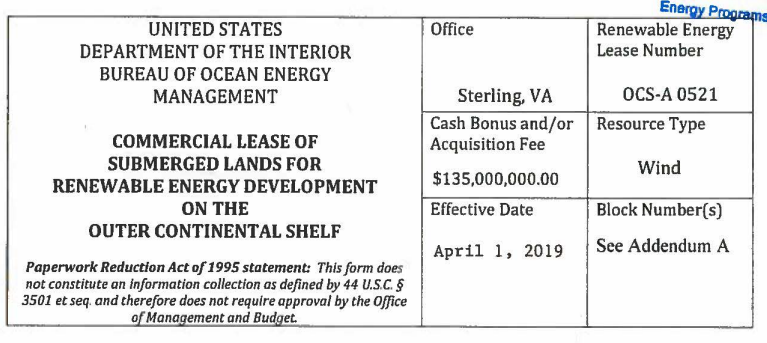
Two Atlantic lessees, Commonwealth Wind and SouthCoast Wind, which paid $135 million for each of their North Atlantic leases, have now agreed to pay $48 million and $60 million respectively to cancel their power purchase agreements with electric utilities. Perhaps the effective date of these leases (see below) reflects on the wisdom of their purchase.🍋
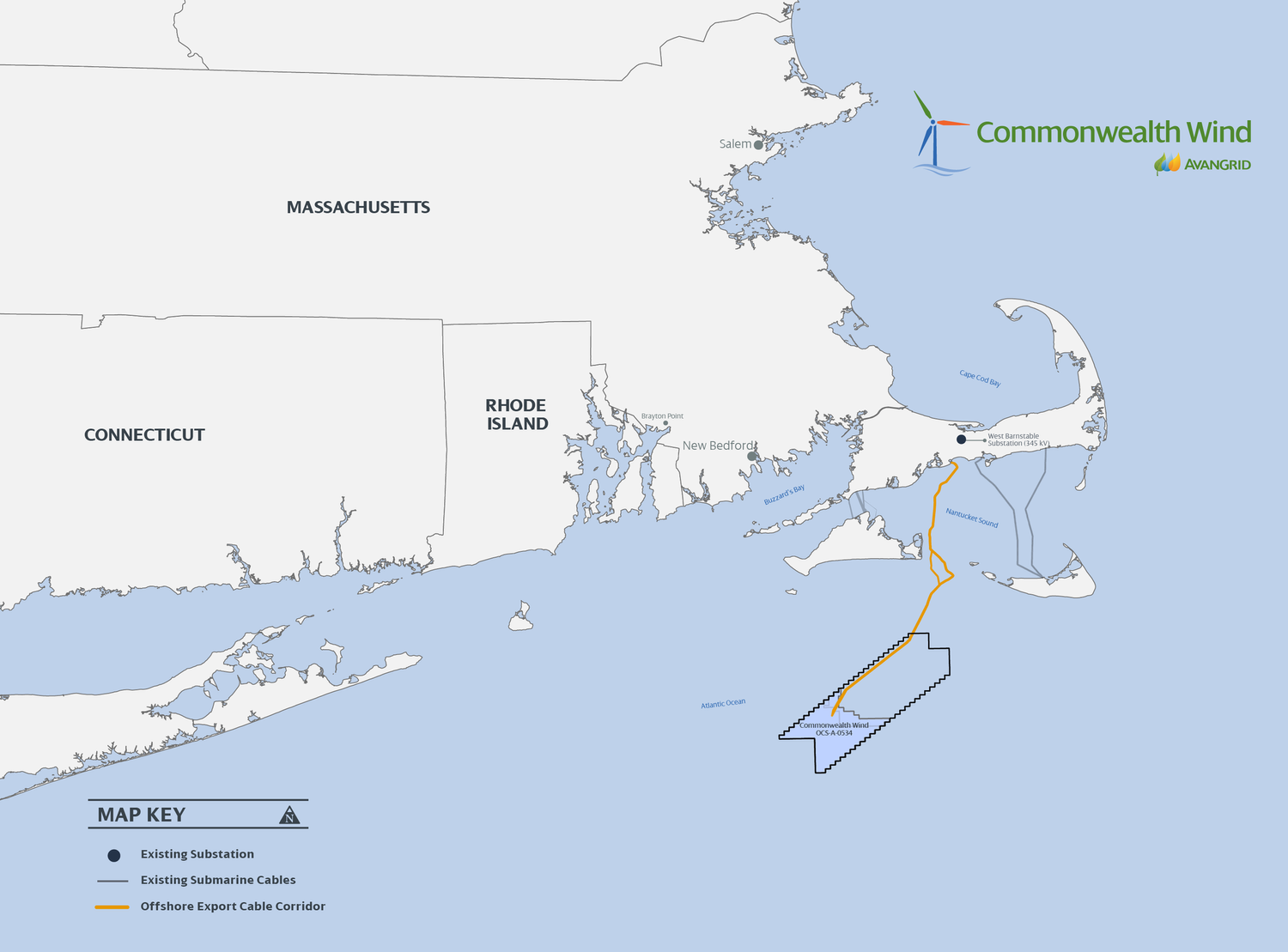
Both Commonwealth Wind and SouthCoast Wind are hoping to rebid their projects in a Massachusetts offshore wind procurement scheduled for next year. 

Commonwealth Magazine

Some northeast states and their public utilities may be in a bit of a bind. Either they accept higher electric rates and the likely public backlash, or they deviate from their staunch anti-gas, anti-nuclear orthodoxy. Similarly, oil companies that have invested heavily in offshore wind may find that they are not just less profitable, but (even) less popular.
Read Full Post »

In their filing with the Massachusetts Dept. of Public utilities, Commonwealth Wind has requested a one month suspension in the review of the power purchase agreements:

In particular, this suspension would allow the parties to examine the effect of unprecedented commodity price increases, interest rate hikes, and supply shortages on the overall viability of Commonwealth Wind’s offshore wind generation project that is the subject of the PPAs (the “Project”), including whether it remains economic and whether it can be financed under the current terms of the PPAs. A one-month suspension would also enable the parties to consider potential approaches to restore the Project’s viability – including cost saving measures, tax incentives under the newly enacted Inflation Reduction Act, an increase in the PPA prices, and improvements to Project efficiencies – and to determine whether additional time, beyond the period requested in this Motion, is needed to resolve the appropriate path forward or provide a complete record.

At a minimum, the expected commercial operation date, already more than 5 years into the future (2028), would seem to be threatened.

Read Full Post »