
Rules of thumb for offshore spills:
- The initial spill estimates are low; often by a lot
- The estimates of oil recovered are high and unverified
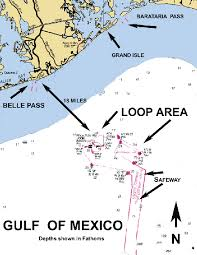
Louisiana Offshore Oil Port (LOOP) spill:
- product spilled: Venezuelan crude
- first observed: 2/26 at approximately 0400
- initial spill volume estimate: <100 barrels (bbls)
- 3/3: spill volume update: 300 bbls
- 3/5: final spill volume update: 750 bbls; volume reaffirmed on 3/17 and 2/26
- reported cause: material failure in a section of the cargo transfer hose during a crude oil transfer between the offshore facility tanker
- estimate of oil recovered: 655–664 bbls (>87%!)
Comments:
- According to a Unified Command interview, the spill volume estimate was based on visual observations and estimates of the volume of oil recovered. Neither are reliable indicators of the volume actually spilled.
- Was the volume transferred being metered at the vessel and LOOP, such that meter differentials could indicate the actual spill volume?
- The spill was first observed at night. What procedures were in place for monitoring the transfer operation for potential leaks?
- LOOP first reported a spill estimate of <100 bbls, subsequently increased to 300 bbls, and then 750 bbls.
- The oil recovery estimate of 655-664 bbls is highly suspect unless the spill was much larger than reported. Recoveries >50% are unlikely for open water spills. (Typically <20% is recovered.)
- How were the oil recovery estimates determined? Is data available on the total fluid recovered and water content?
- NOAA reports that the spill response and repair were postponed due to hazardous offshore conditions. This makes the spill and recovery numbers even more suspect.
- Ed Tennyson, a leading authority on oil spill response capabilities and a former colleague, was skeptical of oil recovery claims. When on-scene, he would ask to see the recovered oil and data on how the volumes were determined.
- Hopefully, the investigation report will be timely and comprehensive.
 Bud's Offshore Energy (BOE)
Leave a comment