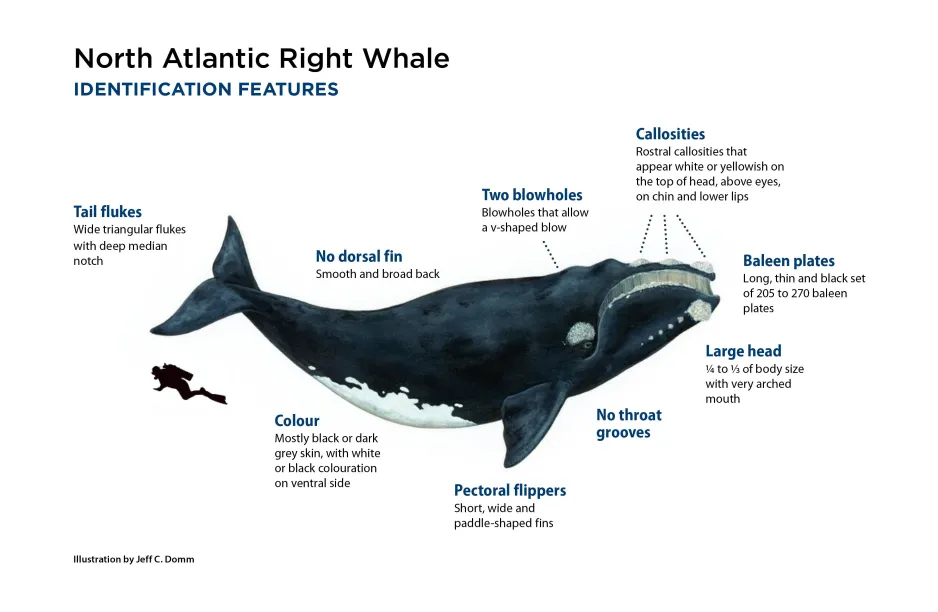
In the wake of the Vineyard Wind turbine blade incident, it’s important to note that marine debris is a significant risk factor for mammals. This is a particular concern for baleen whales, like the endangered right whale, which filter large amounts of water. Per NOAA:
Marine Mammals: Many species of marine mammals have also been confirmed to eat marine debris. A review by Kühn and van Franeker found that 69 species of marine mammals have been found to ingest debris – that’s 56% of all marine mammals! This includes 44 species of odontocetes (toothed whales), manatees, and multiple seal species. Marine mammals are highly protected, which can make it difficult to research them. Most research on marine mammals takes place after an animal dies, making it difficult to understand what marine debris live animals eat. However, we do know that because baleen whales filter extremely large amounts of water while feeding, they may get plastic debris entangled in their baleen plates.
An Argentinian study describes the “finding of plastic litter in the digestive tract of a southern right whale (Eubalaena australis) juvenile male, which was found dead on the shores of Golfo Nuevo, Chubut, Argentina in 2014.”
 Bud's Offshore Energy (BOE)
[…] also described the risks to marine mammals in Debris poses a significant risk to marine mammals. He said that the debris is a particular concern for baleen whales, like the endangered right […]