Feeds:
Posts
Comments

Posts Tagged ‘Ukraine’

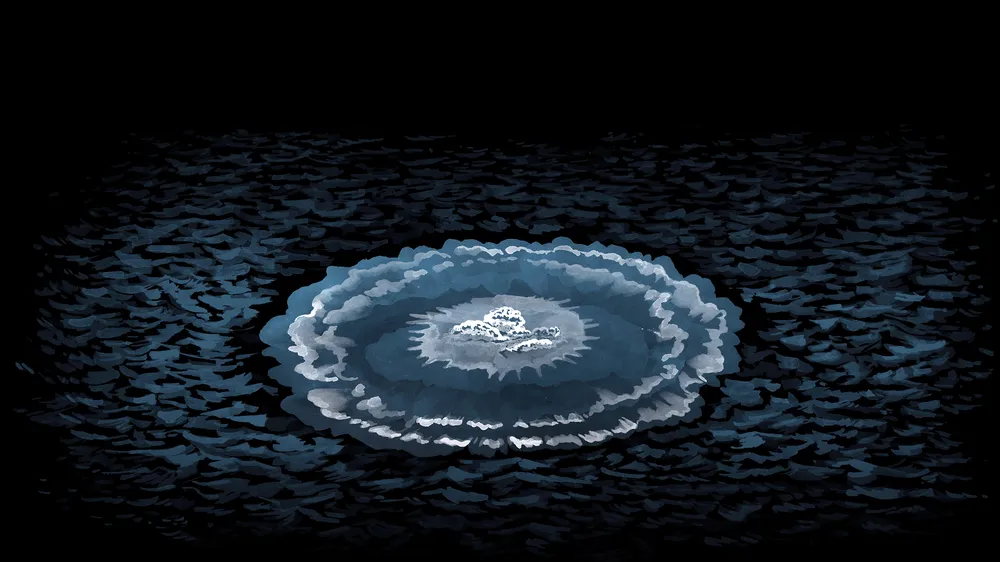
Die Zeit graphic

Just when we were settling on Der Spiegel’s account of the Nord Stream sabotage, Michael Kobs provides reasons for skepticism. Are the detailed revelations in Der Spiegel part of a coordinated effort to relieve governments of any responsibility and glorify the destruction of economically important pipelines?

Since the German arrest warrant for a participant in the Nord Stream terrorist attack, efforts have also increased in Germany to portray the terrorist attack as a “legitimate” or even “admirable” war effort. However, the greatest effort is to relieve the burden on state actors. And so, since recently, the alleged perpetrators seem to be chatting without reservation, spreading out every little detail in front of journalists, and putting every (already revealed) fact in the “right” non-governmental light.” ~Michael Kobs

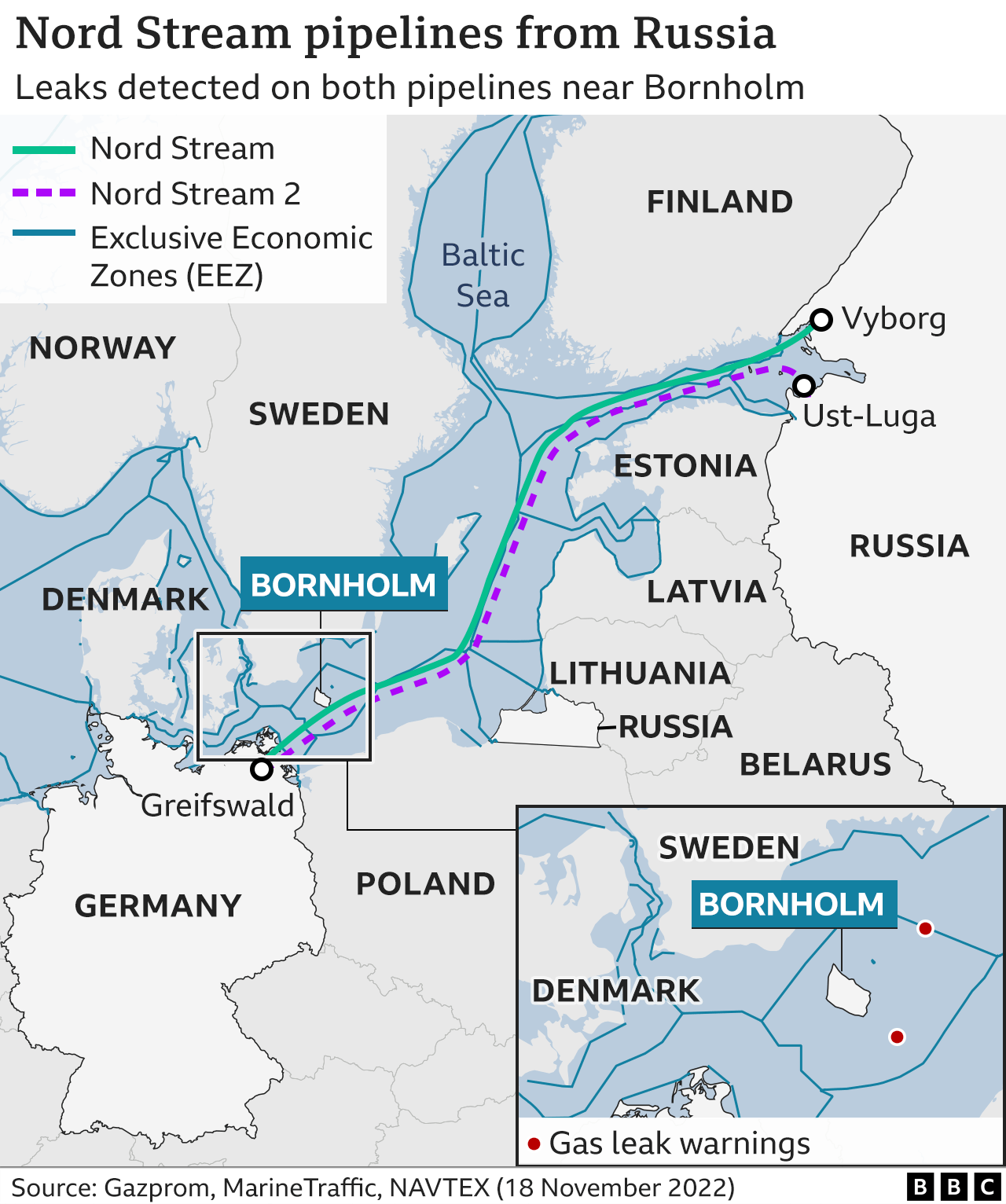
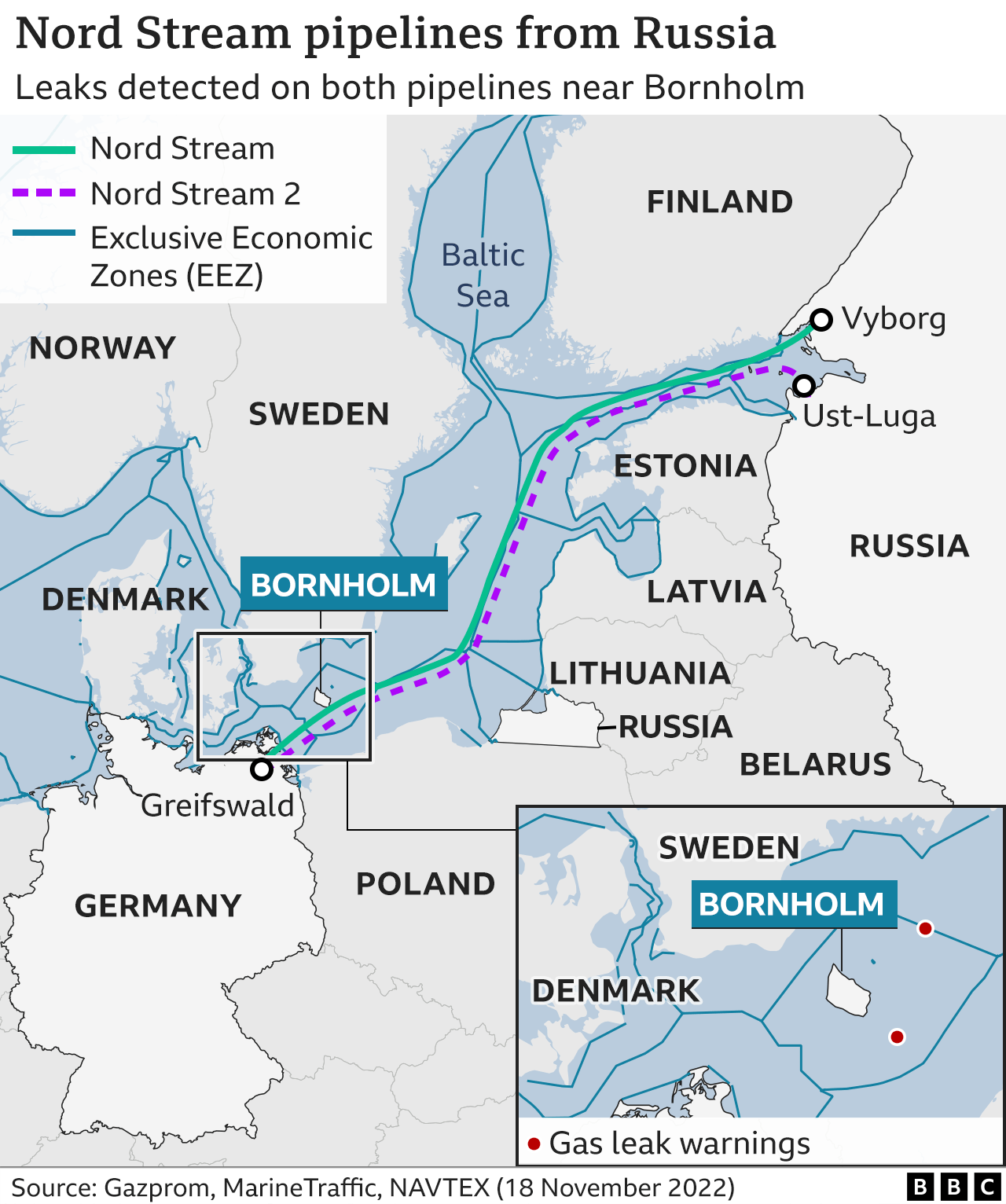
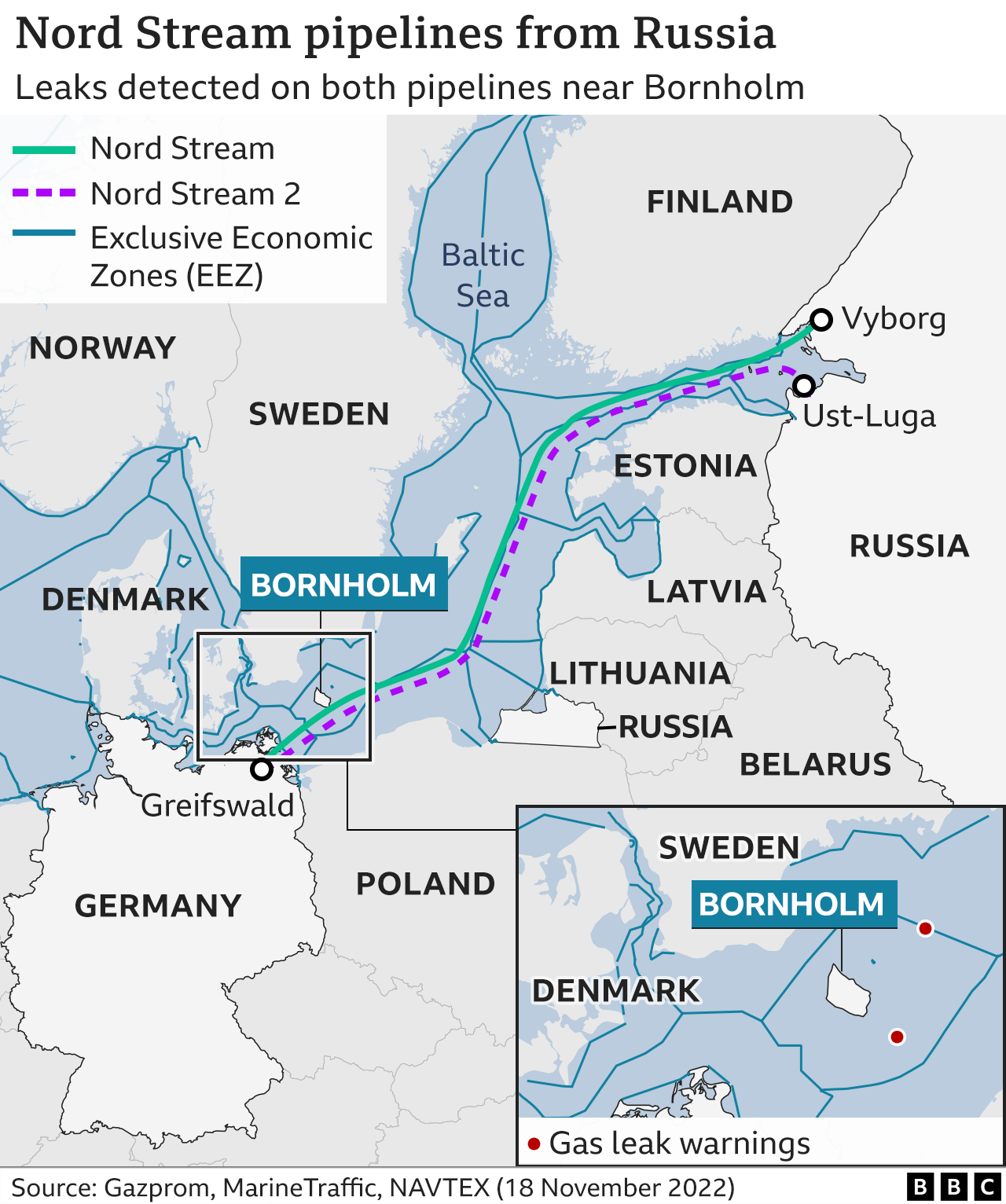
Kolb also raises questions about the circuitous route followed by the Andromeda in arriving at the blast sites (illustration below) and the presence of 3 US Navy warships in the area. His piece is interesting reading for those who are still trying to make sense of all of this.
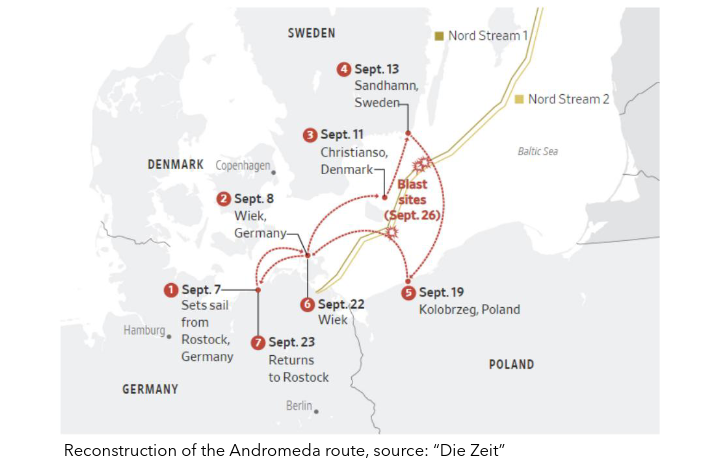
Meanwhile, independent journalist Jeffrey Brodsky continues to delve deeply into Nord Stream issues. A recent interesting and detailed piece refutes assertions that Gazprom and Russia somehow benefited from the Nord Stream attack. Mr. Brodsky provides evidence to the contrary concluding that the destruction of the pipelines has contributed significantly to Gazprom’s financial problems. He noted that:

  • Gazprom announced a loss of $6.9 billion for 2023, marking its first annual loss in more than two decades. 
  • Nord Stream 1 supplied EU nations with a whopping 35% of all Russian gas imports.
  • Gazprom contributed $80 million of Russia’s $407 million in Federal govt revenues in 2022, and was a source of revenue that Russia would not want to jeopardize.

Unsurprisingly, the “experts” and politicians who argued that the Nord Stream sabotage would benefit Gazprom and Russia have failed to modify or correct their assertions. Mr. Brodsky concludes his detailed analysis as follows:

However, despite the numerous facts that have emerged since the attack, the damage caused to  Russia and Gazprom by the sabotage remains willfully ignored. Politicians and experts who claimed that the sabotage would be beneficial to Russia or Gazprom financially, legally or geopolitically seem to have merely skimmed the first chapters of the Nord Stream story. So far, almost none of them have publicly corrected themselves after hastily familiarizing themselves with its complex plot. But since the perpetrator of the sabotage has not yet been unmasked, they still have the opportunity to pre-order the unfinished sequel to the book. Perhaps it will end up being an international bestseller. ~ Jeffrey Brodsky
Read Full Post »

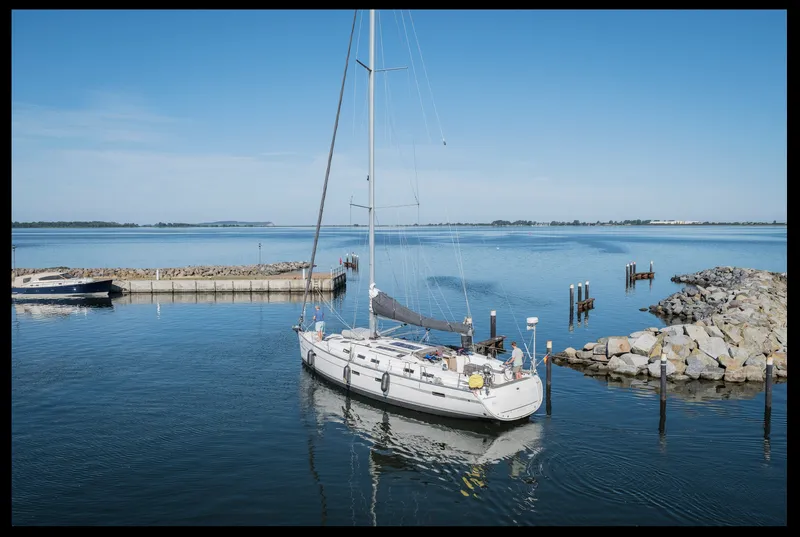
sailboat Andromeda
testing candidate bomb designs

Der Spiegel: “Wie ein ukrainisches Geheimkommando Nord Stream sprengte

Observations:

  • Der Spiegel’s detailed account is based on interviews with the perpetrators whose identities are being withheld.
  • ~a dozen men and one woman, all Ukrainians, were involved in the sabotage. Some were soldiers, some were civilians; some had past connections with the CIA.
  • <$300,000 budget funded by a Ukrainian businessman
  • Saboteurs received no payments
  • Low tech operation using the sailboat Andromeda
  • The article includes details on how the mission was accomplished.
  • To the commandos, Nord Stream sabotage was viewed as a military objective, a legitimate act of self defense.
  • The team understood that only a small hole in the outer wall would suffice to burst the pipe given the gas pressure in the lines.
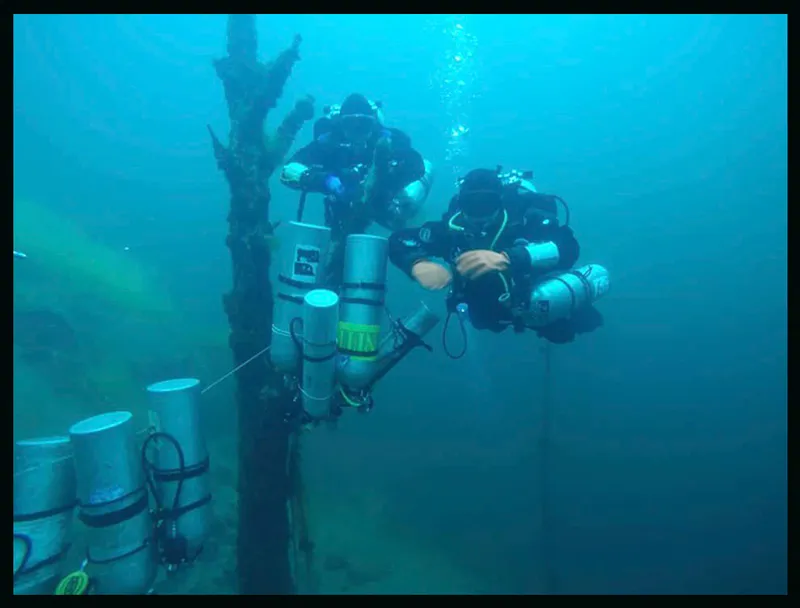
  • Tested bomb designs in a lake, and trained in a flooded mine to depths of 100 m.
  • Zelensky was not fully trusted and was intentionally not informed of the plan. (However, the authors are not completely ruling out some Zelensky involvement in the planning.)
  • Western intelligence heard about the plan 3 months before the operation. Zelensky was then informed by a CIA officer in Kiev.
  • A CIA agent contacted one of the commandos who he knew. To protect the mission, the commando said he didn’t know anything about such a plan, but would inquire further.
  • The commandos decided they needed to get on with the operation before sea conditions worsened in the fall.
  • 6 bombs were planted under sometimes difficult conditions. One did not explode, so the Nord Stream 2 B pipeline remained intact.

Der Spiegel’s account seems credible. If that is the case, Seymour Hersh and his informant have some explaining to do.

Read Full Post »

Read Full Post »

Skepticism about these charges is running high given the apparent political convenience of the “private Ukrainian citizens” sabotage scenario. The German govt has been under pressure to identify the responsible party following the decisions by Denmark and Sweden to drop their investigations.

Many of us are waiting for responses from the insurers, Seymour Hersh, Erik Andersson, and other private parties who have been actively investigating the Nord Stream sabotage.

Read Full Post »

No, because it provides no evidence in support of either of the two prominent Nord Stream sabotage theories: (1) the Seymour Hersh account and (2) the rental yacht narrative.

When the findings from important investigations are delayed, information leaks serve to control the narrative and satisfy political or economic objectives. Why are these intelligence organizations so eager to assign blame within the Ukrainian government? Why are the actual findings of the investigations not being released? Perhaps the WP and Spiegel reporters can answer those questions.

Former secret service agent Roman Chervinskyi in court in Kyiv in April; photo: Nikita Galka

According to the joint research by DER SPIEGEL and The Washington Post, Chervinskyi’s name is circulating both in Ukrainian and international security circles in connection with the attack on the Nord Stream pipelines. The former agent allegedly coordinated the attack and also provided support for the specialist unit behind the sabotage operation.

Cautionary note:

People in Western security circles say that the Ukrainian security apparatus is plagued with rivalries and infighting, and that information obtained from sources there must be handled with caution.

both quotes from Der Spiegel

Read Full Post »

Trying to keep track:

So at this time, some theories on the culprits appear to have dropped out. Those that are still in play include various versions of the Ukrainian rental yacht narrative and the Hersh account. Hopefully, the responsible parties will be identified, but given the political stakes, this is becoming increasingly unlikely.

Read Full Post »

German investigators are sceptical of claims that Russian naval ships sabotaged the Nord Stream gas pipelines and are instead pursuing leads that point to the Ukrainian authorities, according to a report.

The vacuum of official information has been filled by speculation variously pinning the blame on the United States, Russia, the Ukrainian secret services and an unnamed businessman in Ukraine. All three states have denied responsibility.

Times of London

Read Full Post »

The Nord Stream discussion begins at the 21 minute mark, but the entire interview is interesting.

Also, Swedish prosecutor Mats Ljungqvist, is apparently unconvinced by the improbable Nord Stream explanation that was fed to the NY Times.

“We don’t rule out anything, but that it is a state actor who is directly or at least indirectly behind this is of course our absolute main scenario, given all the circumstances.”

Mats Ljungqvist

Read Full Post »

Following an alleged missile strike on three platforms operated by the Crimea-based oil and gas company Chernomorneftegaz, satellite images indicate the fire is still visible at the site in the Black Sea. Russian official claims that the strike left behind several injured and missing persons.

offshore-energy.biz

Background information on Crimea oil and gas resources.

Read Full Post »

Dr. Malcolm Sharples, a leading offshore engineer for many years, forwarded this interesting presentation by Peter Zeihan. It’s long (2.5 hours) but you can watch in chunks or jump around based on your particular interests.

I was surprised by Peter’s firm prediction that a US oil export ban was coming soon, but now I see that such a ban is actually being considered. This excellent assessment by the Federal Reserve Bank of Dallas explains why a ban on crude exports would not lower gasoline prices, but would reduce domestic exploration and production, increase the trade deficit, and increase US dependency on crude oil imports. Offshore projects, which require massive capital investment, could be particularly hard hit. Unfortunately, an oil export ban would be such a bad decision that it might actually happen.

Read Full Post »

Older Posts »