Excerpts from an excellent opinion piece by Derrick Max of the Thomas Jefferson Institute for Public Policy:
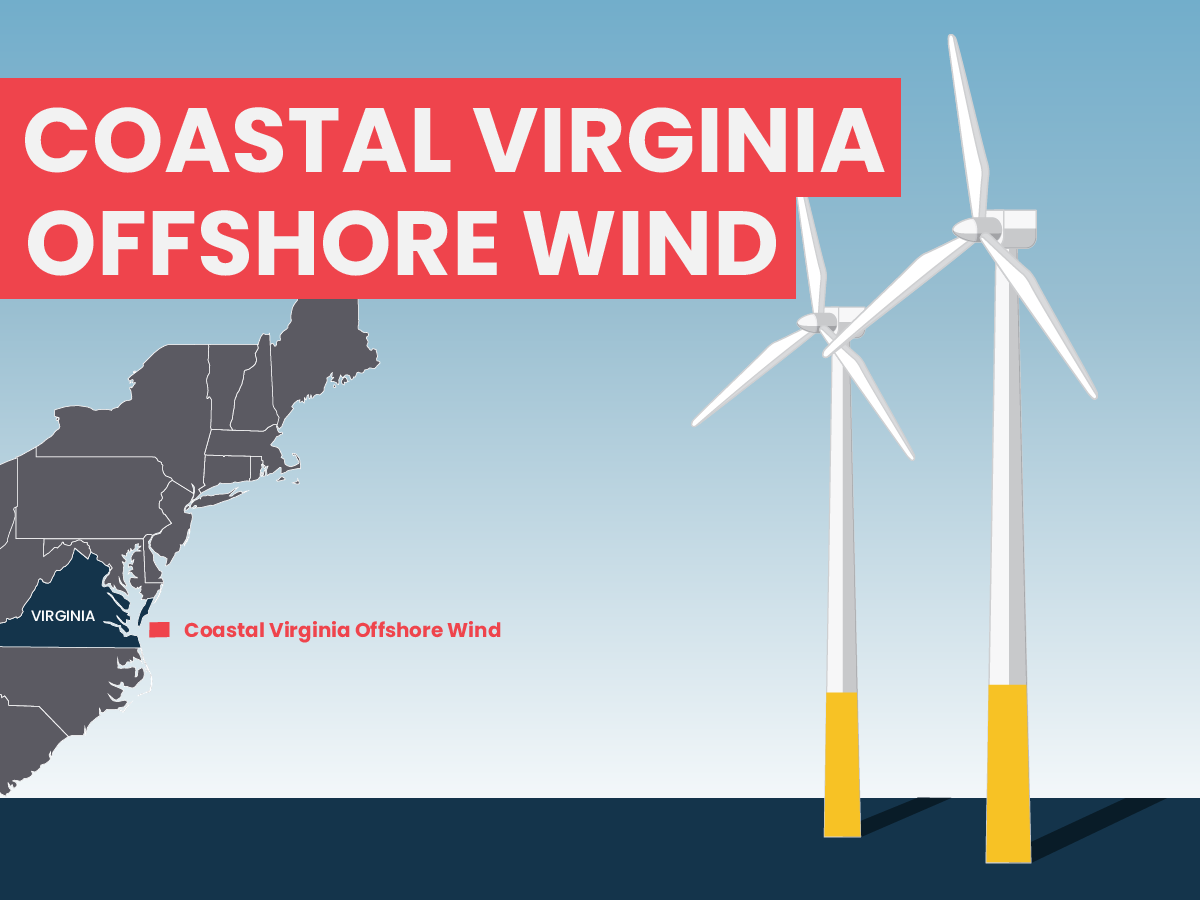
Coastal Virginia Offshore Wind (CVOW) is no ordinary renewable project. It was created by legislative command. The 2020 Virginia Clean Economy Act (VCEA) declared Dominion’s 2.6-gigawatt wind farm “in the public interest,” effectively tying the hands of the State Corporation Commission and guaranteeing Dominion full cost recovery and profit. The risk doesn’t sit with shareholders — it sits with Virginia’s ratepayers.
The Thomas Jefferson Institute opposed that structure from the start. We warned that forcing captive customers to underwrite an unproven, high-cost project located in a hurricane prone region would expose Virginians to escalating bills with little accountability. Yet when a group recently asked the federal government to shut CVOW down, we declined to join. Why? Because government shouldn’t pick winners and losers — not when it mandates projects, and not when it stops them. Especially when a project is in its final stretch and no economic analysis of such a decision has been completed (or shared).
Virginia’s offshore wind story shows how risky it is when government drives energy decisions by decree. One administration mandates a massive buildout; the next halts it over security fears. Businesses can’t plan around that. Ratepayers shouldn’t have to pay for it.
 Bud's Offshore Energy (BOE)