Feeds:
Posts
Comments

Posts Tagged ‘super hot geothermal’

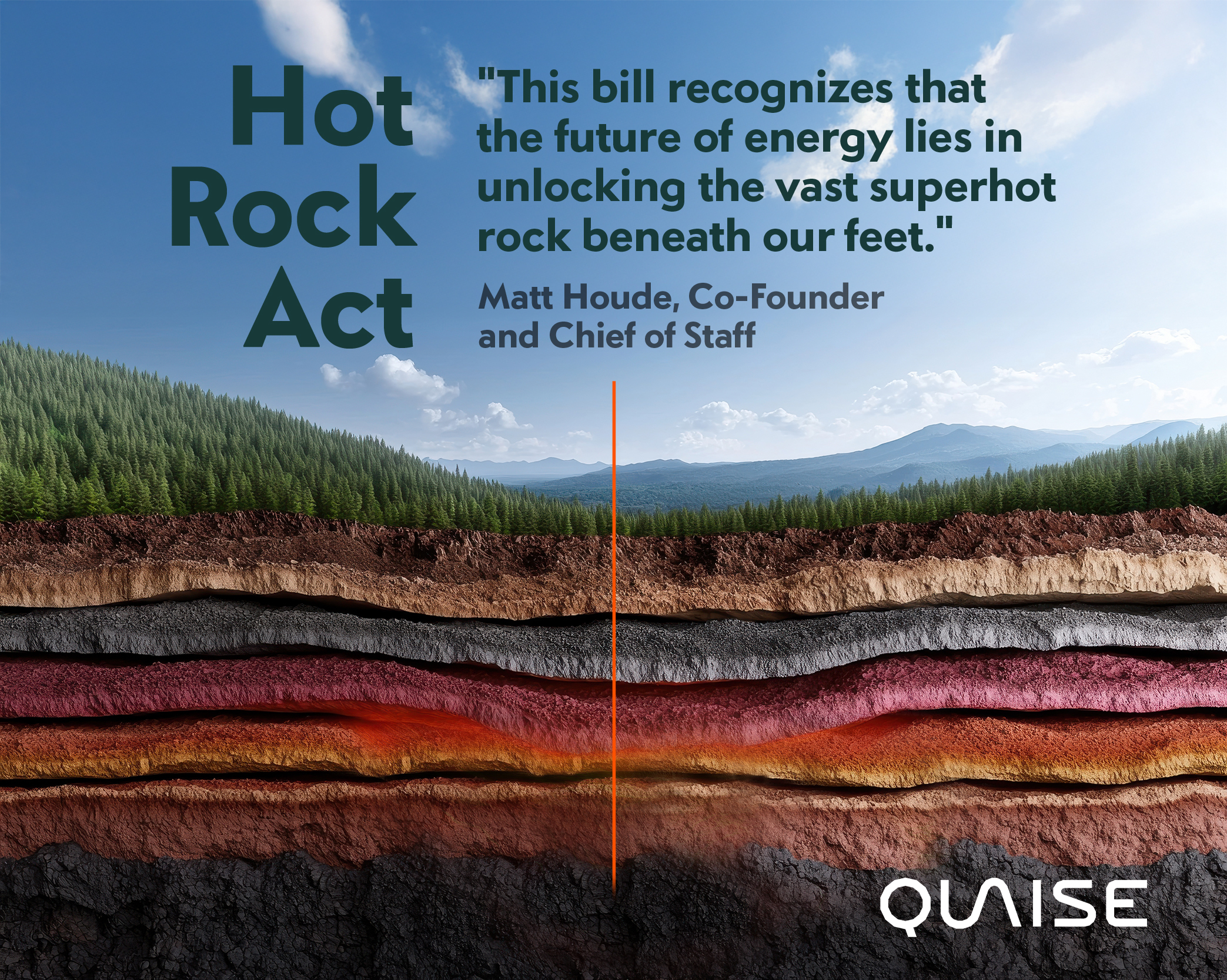
The Hot Rock Act (attached) would authorize a large grant program for superhot, ultradeep geothermal energy research and development. Here is the gist of the bill:

  • $16 million/yr (2027-2031) for high temperature completions. equipment, and supercritical fluids research and development.
  • $40 million/yr (2027-2031) for a test site.
  • $16 million/yr (2027-2031) for hot dry rock geothermal systems research and development.
  • $30 million/yr (2027-2031) for achieving program milestones.
  • $5 million/yr (2027-2031) to study the risks associated with hot dry rock geothermal energy.
  • $10 million/yr (2027-2031) for geothermal industry workforce training.
  • $10 million/yr to support BLM and Forest Service authorization programs for hot dry geothermal.

That’s a total of $127 million/yr for the next 5 years. Is this necessary?

Press reports indicate that Quaise is raising $200 million to develop its first commercial geothermal power plant. If superhot geothermal is as promising as many of us believe, companies should be able to attract sufficient private capital without financial support from the Federal govt.
Read Full Post »

Excerpt from the Quaise video:

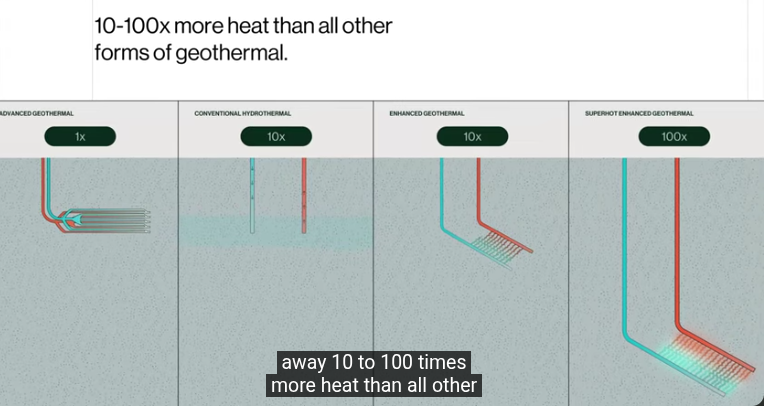
As we descend into hotter, deeper tiers, the process shifts from pressure-driven to density-driven stimulation. With larger density contrasts between the injected water and pore fluid in the rocks, density takes the lead. The deeper we go, fracturing becomes easier, not more challenging, and reduces the need for massive pumping fleets.

It all results in a superhot subterranean network sweeping away 10-100x more heat than all other forms of geothermal. We are sending water coursing through engineered permeability, harnessing Earth’s most abundant energy and powering the next century of global innovation.

Supercritical fluid dynamics are thus the key to superhot geothermal completions. Water above 374C374 raised to the composed with power C and 22 mega pascals (3191 psi) enters a supercritical state with liquid-like density and gas-like viscosity. The water that is injected into a hot, supercritical reservoir is thus much denser than the surrounding superhot fluid. The injection of relatively cool water into superhot rock creates and widens fractures increasing permeability without increased pumping pressure.

Read Full Post »

A short Quaise video (below) describes how conventional and millimeter wave drilling can be combined to reach superhot geothermal energy sources.

Keep in mind that superhot (300-500 deg. C) energy can be reached with conventional drilling at sites with high geothermal gradients. These “tier 1” sites will be the first targets (second video below).

Read Full Post »