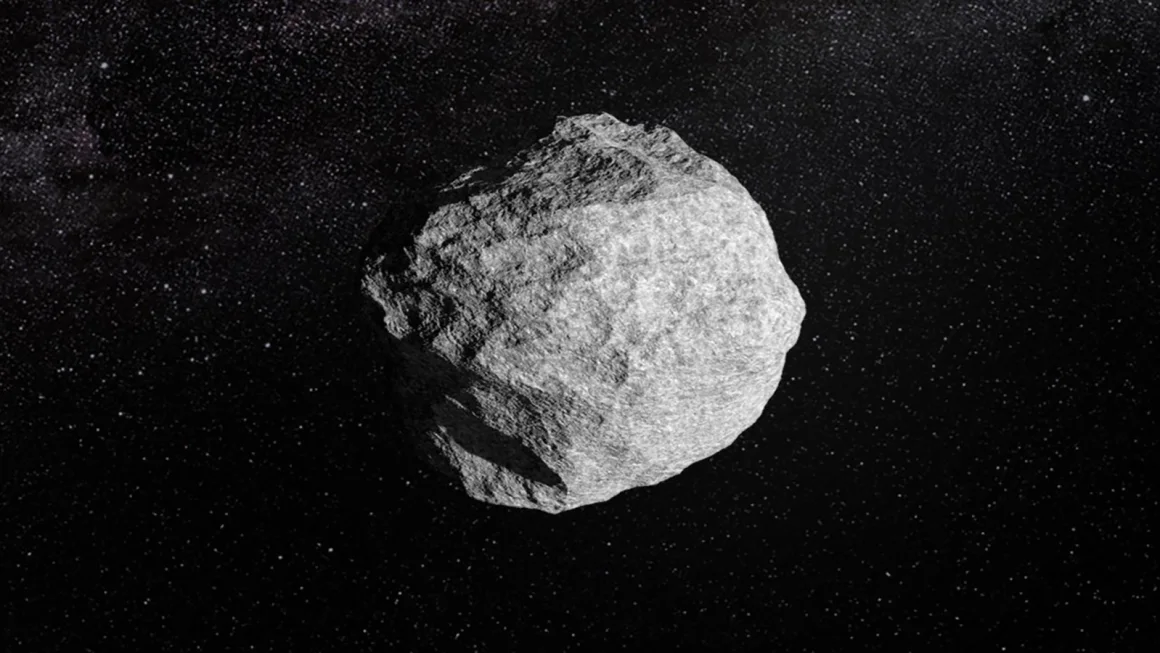
Tom Maunder brought this to my attention:
“It may sound apocalyptic, but a newly detected asteroid nearly the size of a football field now has a greater than one percent chance of colliding with Earth in about eight years.“
Per CNN, the risk has increased:
“…the asteroid has a 2.2% chance of hitting our planet on December 22, 2032, according to the European Space Agency. The risk assessment has increased from a chance of 1.2% over the last week due to new observations.”
Tom Maunder’s assessment in response to my comment about a SpaceX deflection mission:
“Deflection could be possible. Right now they don’t know as much about the trajectory/orbit as they need to. This rock was just discovered at Christmas and it is presently heading outbound on its orbit. They are scouring past “sky photos” to see if it might have been imaged before but so far, no luck there.
“It will only be visible through April, then its out of sight for a couple of years. Hopefully they will have enough info to forecast the orbit and determine that it will come close to earth but not impact. They went through that exercise with Apothis which will miss earth by about 15000 miles on Friday, April 13, 2029. That is closer than the geosynchronous communication satellites at 23000 miles.”
“I suspect if an impact cannot be ruled out before it disappears that plans will be made to send a recon mission when it next approaches earth in 2028.“
 Bud's Offshore Energy (BOE)