Feeds:
Posts
Comments

Posts Tagged ‘Quaise Energy’

A short Quaise video (below) describes how conventional and millimeter wave drilling can be combined to reach superhot geothermal energy sources.

Keep in mind that superhot (300-500 deg. C) energy can be reached with conventional drilling at sites with high geothermal gradients. These “tier 1” sites will be the first targets (second video below).

Read Full Post »

HOUSTON (7/22/2025) – “Quaise Energy, a leading developer of grid-scale superhot geothermal energy, today announced it has successfully drilled to a depth of 100 meters using its proprietary millimeter wave technology at its field site in Central Texas. This achievement sets a record for millimeter wave drilling and marks a major step forward in unlocking the Earth’s vast geothermal energy as a scalable, baseload energy source.

  • Prior to this year, millimeter wave drilling had only been demonstrated in the laboratory (a few centimeters deep).
  • The granite drilled during the field test is the same type of hard rock found in the basement layer of the Earth’s crust.
  • Quaise has plans to build a gyrotron with 10x more power.
  • A pilot power plant in the Western U.S. is planned for as early as 2028.

Related posts

Read Full Post »

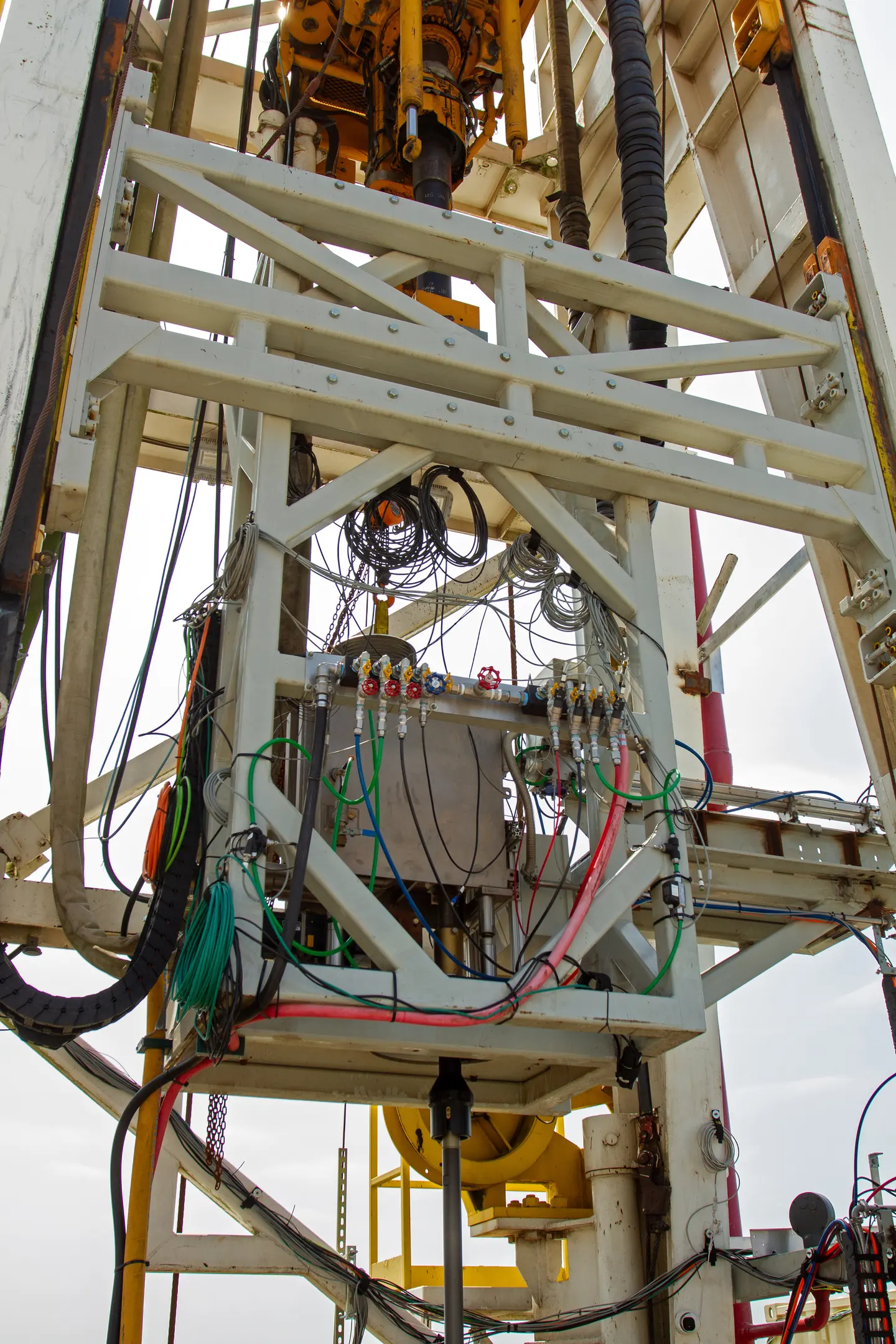
Recently, Quaise Energy showcased millimeter wave drilling on a full-scale Nabors rig, and moved one step closer to superhot geothermal power production.

This is the first-ever hybrid drilling rig, combining conventional and millimeter wave capabilities.

Quaise plans to drill superhot geothermal wells that can generate abundant baseload power in record time. They believe there is no other energy solution capable of the same scale and speed.

Excellent New Atlas article

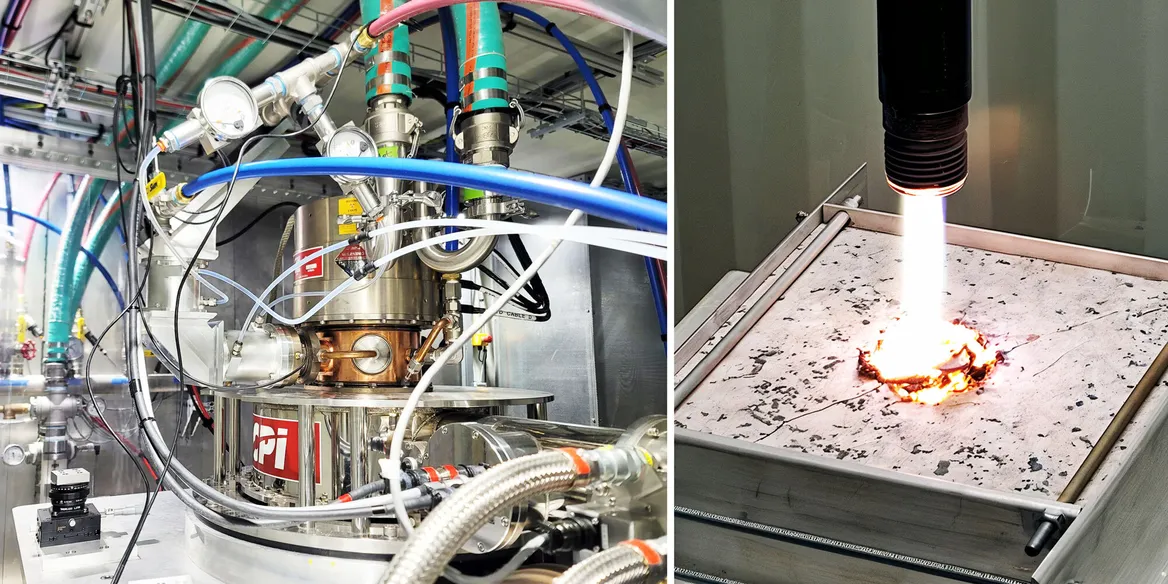
“The cube sends electomagnetic energy to the drill bit to melt rock – New Atlas photo
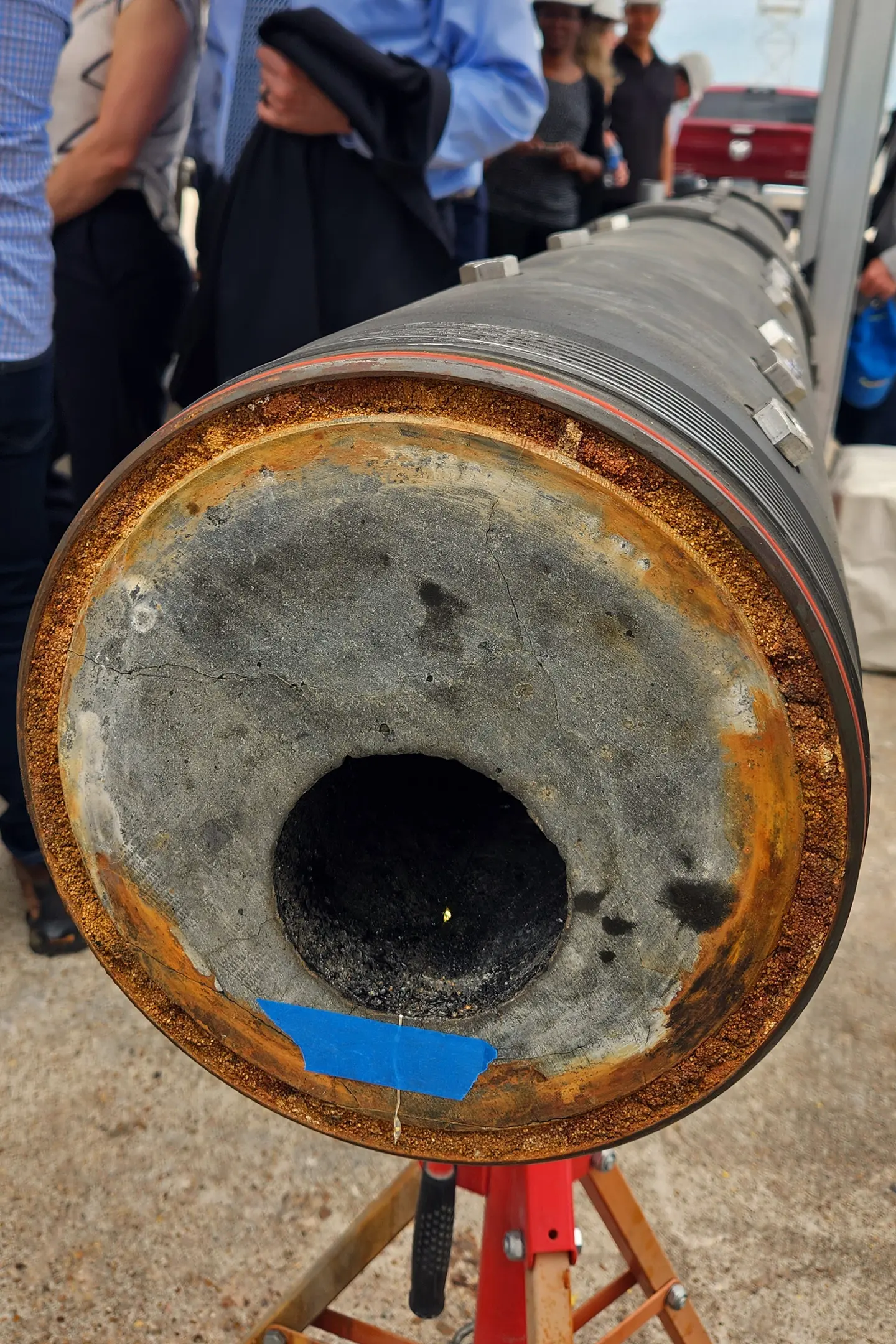
Core showing vitrified granite/basalt walls of the borehole – New Atlas photo

Read Full Post »

Good video:

More on Quaise Energy

Read Full Post »

Last month, we demonstrated millimeter wave drilling outside of the lab for the very first time.

Millimeter wave drilling is the keystone of superhot geothermal. It’s the only way to access the resource at scale while reaching economic and power parity with fossil fuels. Over the coming months, two more drilling field tests will pave the way to our first commercial developments.”

Read Full Post »

Quaise Energy’s gyrotron (left) can vaporize boreholes through rock.

See this very good Noema Magazine article.

In an age when energy policy is so often hostage to fierce partisanship, there is hope that geothermal can be the one clean energy solution that could satisfy climate change campaigners and the ‘drill baby drill’ lobby alike.”

Updates on Quaise Energy’s highly anticipated gyrotron field test and related information:

  • “Lab-test data suggest that the gyrotron’s beam will lose only around 50% of its power at a depth of six miles. To put that into perspective, the attenuation of a rotating drill string at 10 kilometers can be 98%,” Araque said. “You only get 2% of the mechanical power down to the bit.”
  • Quaise’s field test will take place on a disused oil drilling pad in the northern exurbs of Houston. Next month, a gyrotron 100 times as powerful as the one in the laboratory will be pointed at the earth and switched on.
  • By spring, Quaise will have erected another platform in a disused quarry near Marble Falls, a city on the Colorado River northwest of Austin.
  • Quaise’s ultimate ambition is that its drills can be “dropped-in” to existing oil and gas wells.
  • By 2026, Quaise should be positioned to launch its first commercial venture. Within that short timescale, an answer to the question of whether superdeep geothermal can be truly transformative should come into clearer focus.

Quaise’s Araque: “Our civilization uses 25 terawatts, and it doubles every 25 years. By 2050 we need 50 terawatts. By 2100 we need 200 terawatts. When you look at those numbers, you realize that diffuse and intermittent renewables don’t have the scale. The externalities are too high.”

Read Full Post »

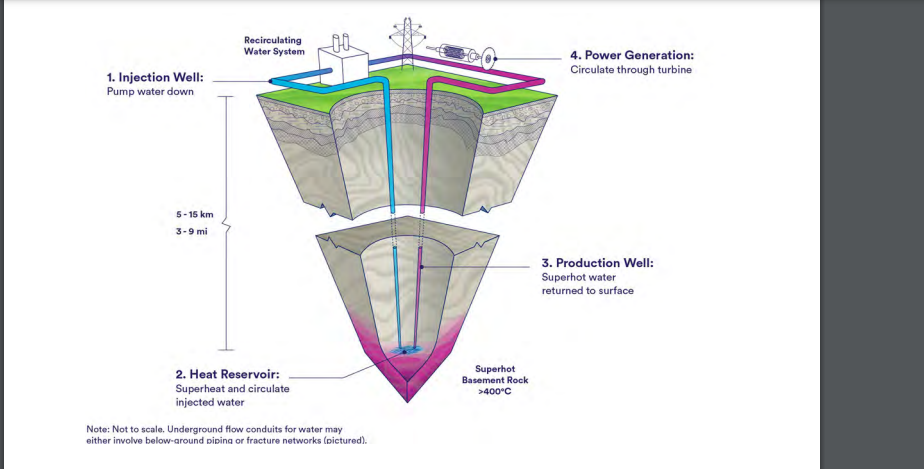
Ultra-deep geothermal is arguably the renewable energy resource with the greatest long term potential. It is accessible everywhere, can replace thermal energy sources at existing power plants, and isn’t handicapped by the intermittency, space preemption, aesthetic, and wildlife protection challenges inherent in wind and solar development.

from Superhot Rock Energy

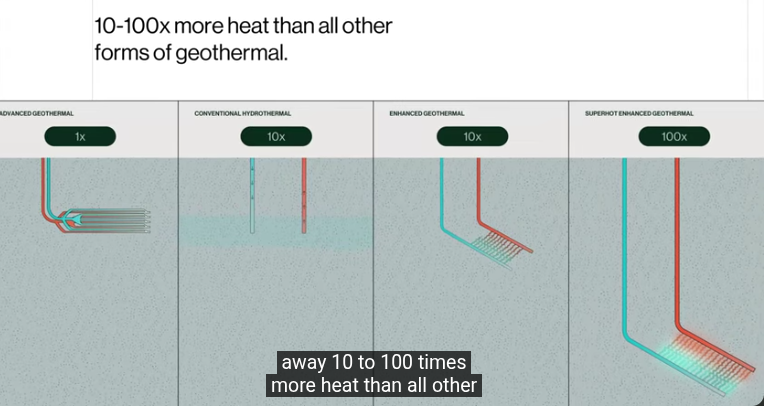
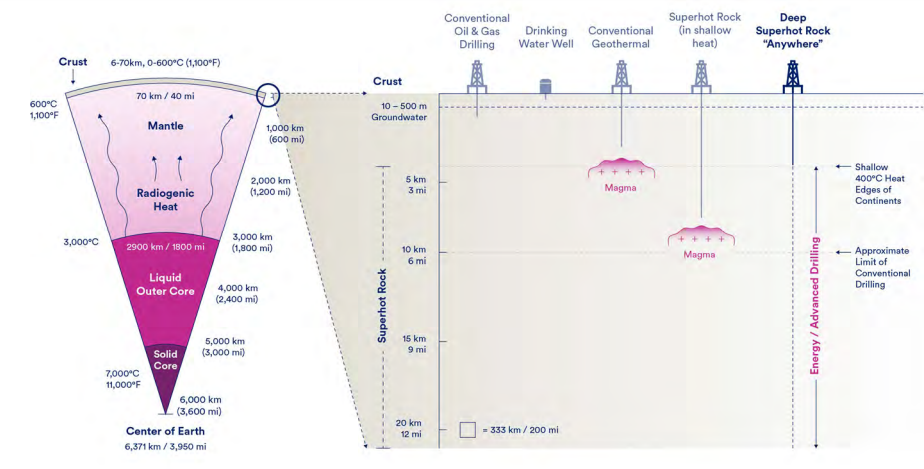
A new study found that rock that fractures at superhot conditions (see diagram above) can be ten times more permeable than rock that fractures at conditions closer to the Earth’s surface, and can also deform more readily.

Why is this important?

from Superhot Rock Energy

The next big step for ultra-deep geothermal is demonstrating the technology to efficiently drill wells to depths of ~20 km. In that regard, we are awaiting Quaise Energy’s field test of their gyrotron drilling system.

Read Full Post »

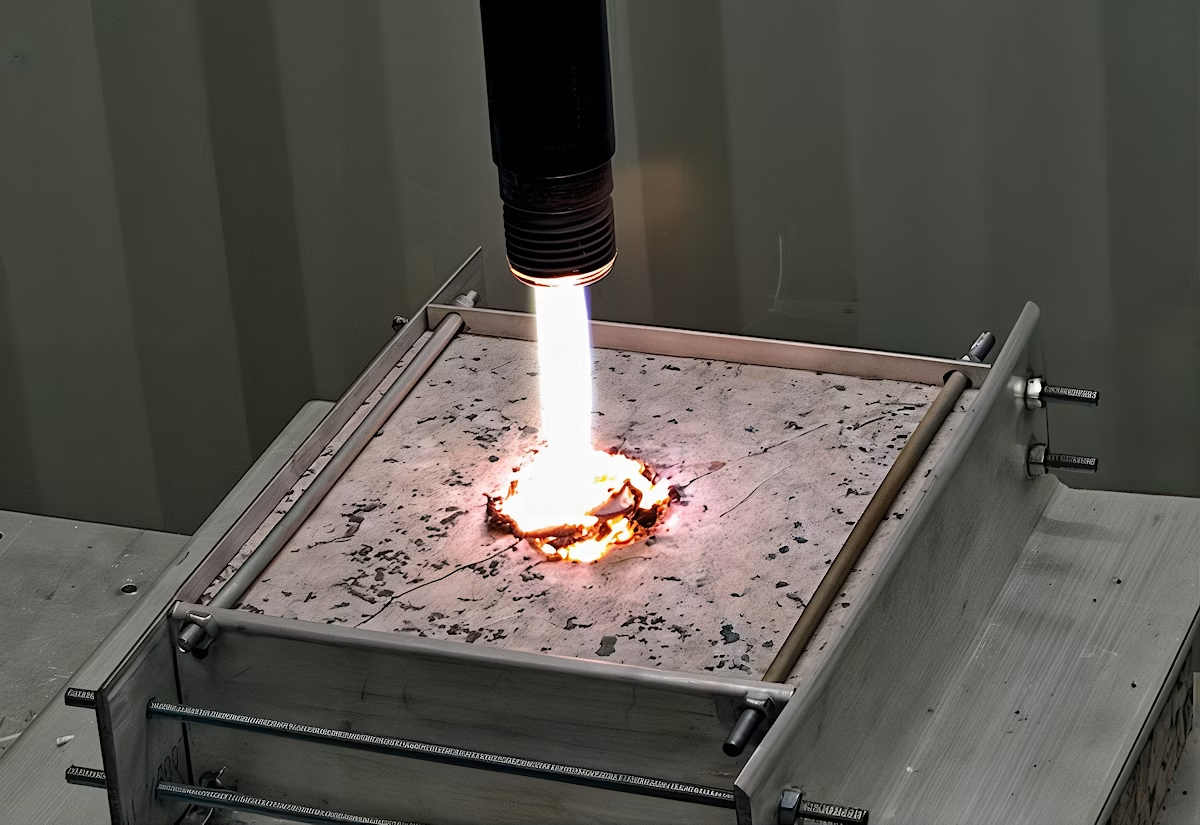
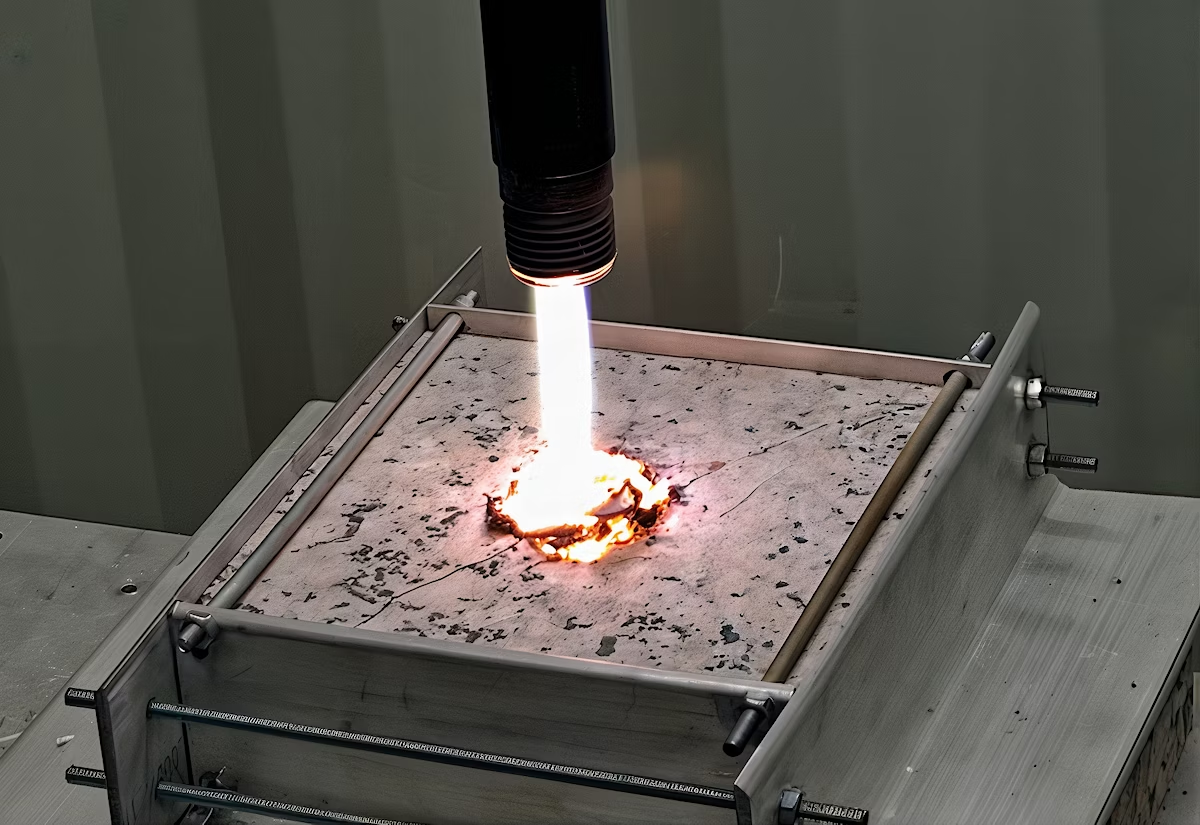
A recent millimeter wave drilling test conducted at the Quaise laboratory, in preparation for upcoming field demonstrations

Ultradeep geothermal has enormous potential for power generation without being handicapped by the intermittency, space preemption, aesthetic, and wildlife protection challenges inherit in wind and solar projects.

Quaise Energy is an exciting company, not only because of ultradeep geothermal’s unlimited energy potential, but also because of their fascinating gyrotron technology that vaporizes hard rock and could enable drilling to depths of 20-30 km and temperatures of >1000° C.

Quaise Energy’s latest update includes some good photos of laboratory tests of their drilling technology. The first field tests of their drilling technology are supposed to be conducted later this year, but no details have been provided.

Quaise describes millimeter waves (MMWs) as follows: “… a portion of the electromagnetic spectrum between microwaves and infrared. Named for their wavelength measuring 1-10 millimeters, MMWs are everywhere yet invisible to the naked eye. The fingerprints of the Big Bang still linger as MMWs all around us in the cosmic microwave background. And if you’re reading this on a phone, chances are it was transmitted by 5G using MMWs.”

The plan is to drill through sedimentary rocks with conventional technology and use MMWs to vaporize basement rock with dielectric heat. There are many hurdles to clear, starting with the field tests, but the enormous energy potential is undeniable.

drilled through basalt in lab

Read Full Post »

Given the intermittency, space preemption, aesthetic, and wildlife issues associated with wind and solar power, more attention has been shifting to geothermal energy. Quaise’s plan to tap ultradeep heat resources has been on our radar for several years and has been attracting private funding and a bit of media buzz.

Quaise is exciting not only because of the unlimited energy potential, but because of the fascinating gyrotron technology that vaporizes hard rock and could enable wells to be drilled to depths of 20-30 km and temperatures of >1000° C. Nabors, a leading drilling contractor, is one of the Quaise investors, and will be involved with the test drilling.

Demonstrating the gyrotron technology in the field is a big step up from doing so in the lab. Those of us in the “peanut gallery” are awaiting more definitive information on the lab tests that have been conducted to date and the important field tests, which are scheduled for this year.

Read Full Post »

As has been previously discussed on this blog, the renewable energy source that shows the greatest promise for generating the power needed to support economic growth is ultradeep geothermal.

This JPT article nicely describes the opportunities and challenges

Microwave drilling test. Source JPT/Quaise Energy

Good comparison of drilling into hard basement rock with conventional and millimeter wave (microwave) technologies:

The technical readiness level (TRL) for microwave drilling reflects that it has yet to be field tested. The drilling rate includes an estimated amount of flat time. The levelized cost of energy (LCOE) is an all-in estimate of the cost per megawatt-hour (MWh). Source: JPT/Quaise Energy.

Quaise Energy’s first full-scale testing of a hybrid drilling rig combining conventional rotary drilling and millimeter wave drilling capabilities is scheduled for 2024.

Read Full Post »

Older Posts »