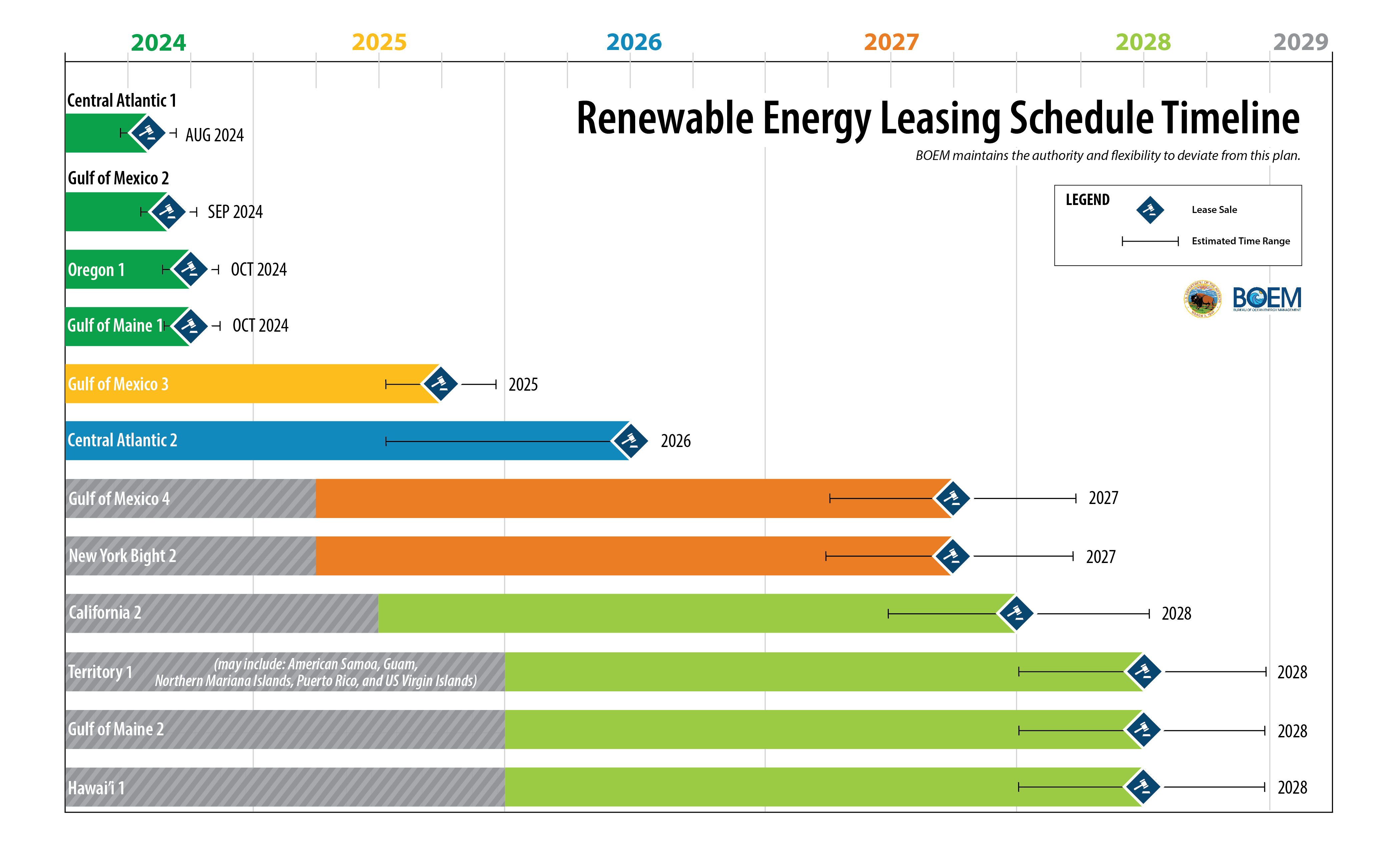
As indicated in the leasing schedule (above), a Hawaii offshore wind sale is scheduled for 2028. A recent article points to concerns from native Hawaiian communities about areas now under consideration. Presumably the concerns are with the potential for leasing in the Kaiwi (Molokai) Channel.
John Smith was the lead BOEM coordinator on the Hawaii task force before he retired in 2017. He is very familiar with the OCS wind potential offshore Hawaii. John worked with Progression, Alpha Wind and the Dept. of Defense on evaluating the best wind energy areas.
John and others on the task force agreed that the best location by far for Hawaiian wind development is 20-30 miles south of Oahu. However, the US Navy strongly opposed leasing there for national security reasons. Alternative locations in the Kaiwi channel between Oahu and Molokai are okay with the USN, but are otherwise problematic.
An informed Hawaiian oceanographer and ocean policy expert offered the following:
“As the Kaiwi Channel is a sacred fishing ground for native Hawaiians, this (wind leasing in the channel) is never going to happen. Sad to waste so much money on it.”
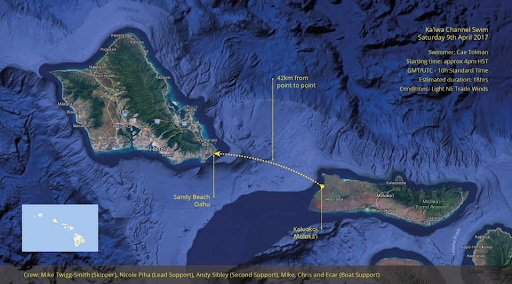
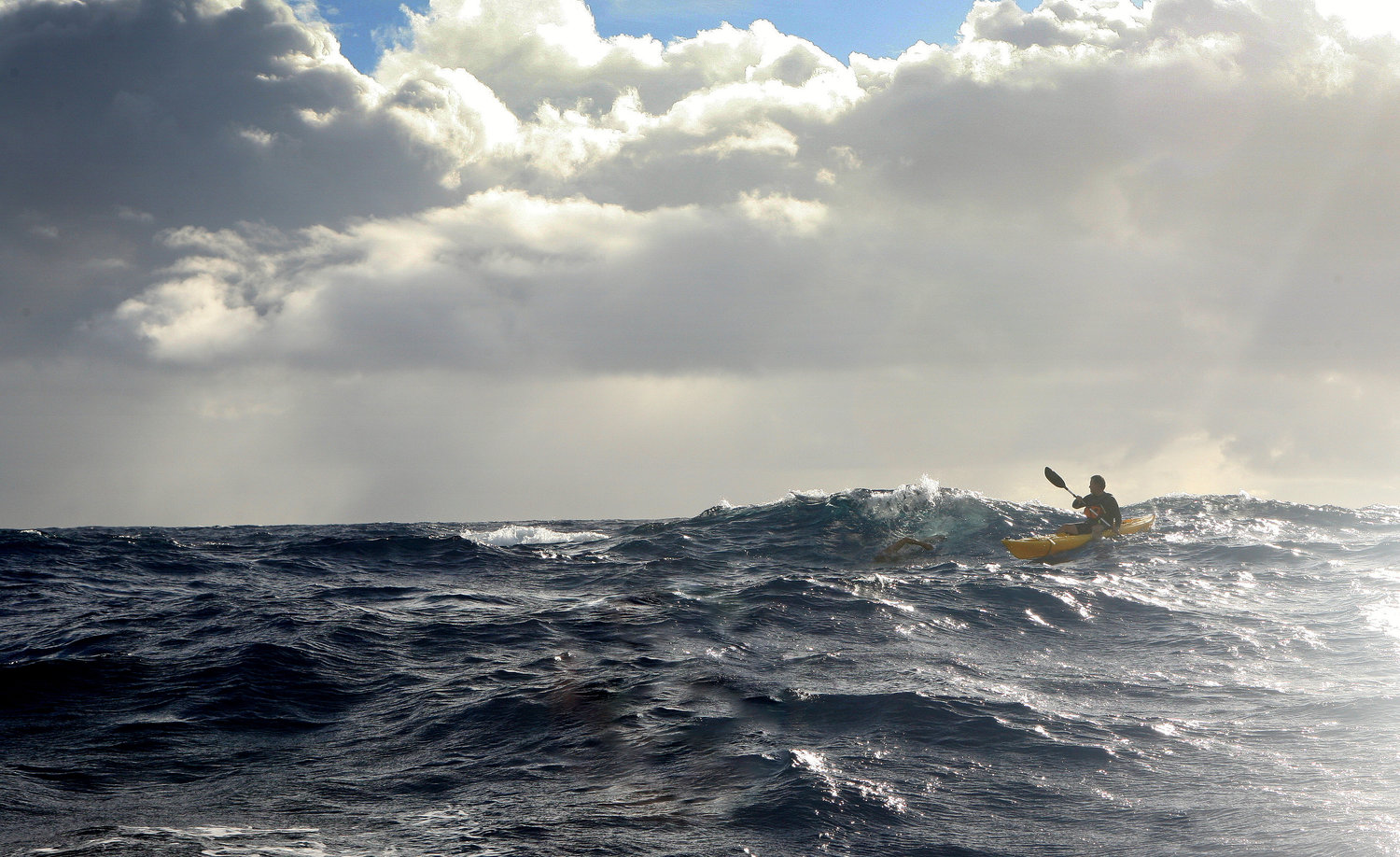
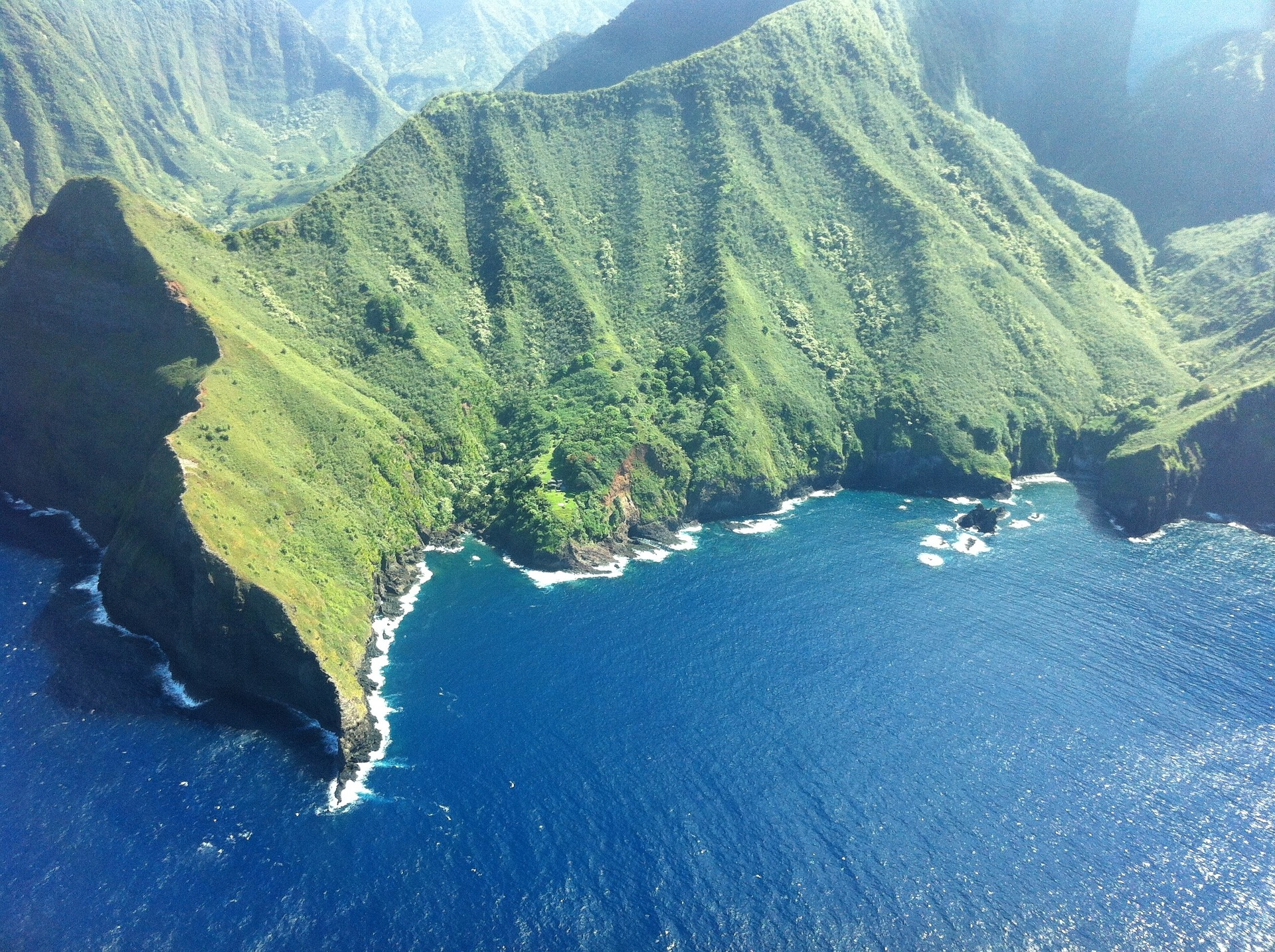
“Translated as “the bone,” Kaiwi recalls Hawaiians’ reverence for human bones as objects of great spiritual significance and symbols of connection. The word is used to fondly describe such concepts as homelife, family, and growing older. The saying “ho‘i hou i ka iwi kuamo‘o”—which literally translates to “return to the backbone”—expresses the joy of coming back to one’s family or homeland after being away.
During the 19th and 20th centuries, the Kaiwi Coast on O‘ahu’s southeast side provided thriving Native Hawaiian communities that called it home with abundant fishing, farming, ranching, and recreation. Maunalua Bay, which fronts the modern town of Hawai‘i Kai on the coast’s southern end, once housed the 523-acre Kuapā fishpond, the largest fishpond in Hawai‘i and the site of a massive annual migration and regeneration of mullet fish.“
 Bud's Offshore Energy (BOE)