Feeds:
Posts
Comments

Posts Tagged ‘fossil fuels’

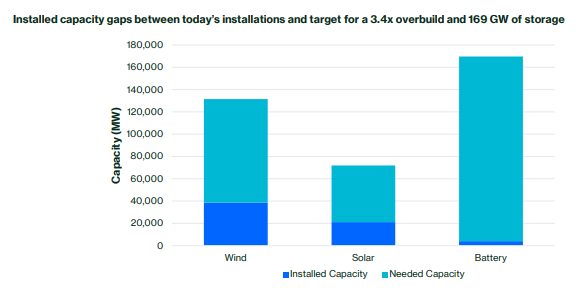
Quaise Energy, an ultradeep geothermal energy pioneer, investigated 2022 and 2023 data from the Electric Reliability Council of Texas (ERCOT) to examine what the grid would look like without fossil fuels.

The full report is attached. Key points:

  • On average, solar produces full power 25% of the time, whereas wind does so 35% of the time.
  • Without fossil fuels, Texas would need to scale up its wind and solar capacity by 3.4x and energy storage by 42.4x just to meet the average hourly demand.
  • Despite these high values for renewables and 5 GW of firm nuclear power, the system only meets demand 76% of the time, equivalent to 176 days over the two-year period when generation and storage fall short.
  • Even with a 5x overbuild and corresponding 10x in storage capacity, only 88% of demand can be fully satisfied, not considering transmission challenges.
  • Just meeting the average demand, with a 3.4x capacity expansion, would require more than 50,000 km2 of land, equivalent to the size of Lake Michigan.
Read Full Post »

COP28:

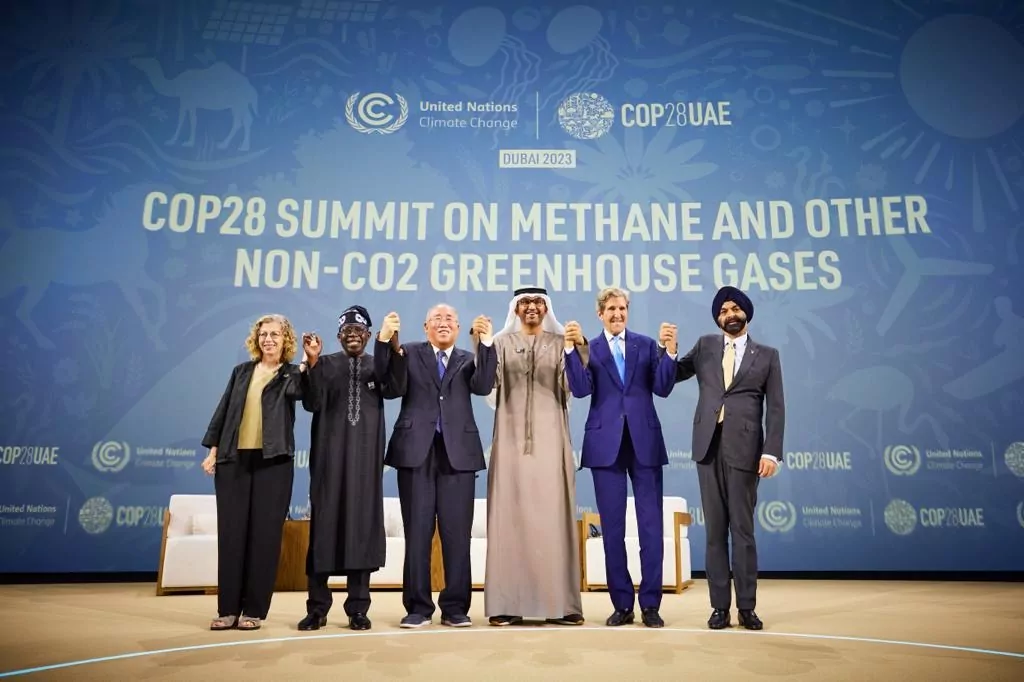
The United Nations Climate Change Conference (COP28) closed today with an agreement that signals the “beginning of the end” of the fossil fuel era by laying the ground for a swift, just and equitable transition, underpinned by deep emissions cuts and scaled-up finance.

UN Climate Change News, 12/13/2023

Real world:

“That intrinsic demand that is not visible is so significant that we don’t see demand peaking – I don’t think we’ll see [oil] demand peaking in our lifetimes,” he said. “Particularly as demand growth in [emerging markets] continues to surprise the upside.” 

Christyan Malek, JPMorgan’s top energy strategist

The 19th century is known as the “century of coal,” but, as the technology scholar Vaclav Smil has noted, not until the beginning of the 20th century did coal actually overtake wood as the world’s No. 1 energy source. Moreover, past energy transitions have also been “energy additions”—one source atop another. Oil, discovered in 1859, did not surpass coal as the world’s primary energy source until the 1960s, yet today the world uses almost three times as much coal as it did in the ’60s.

Dan Yergin

You be the judge.

Read Full Post »

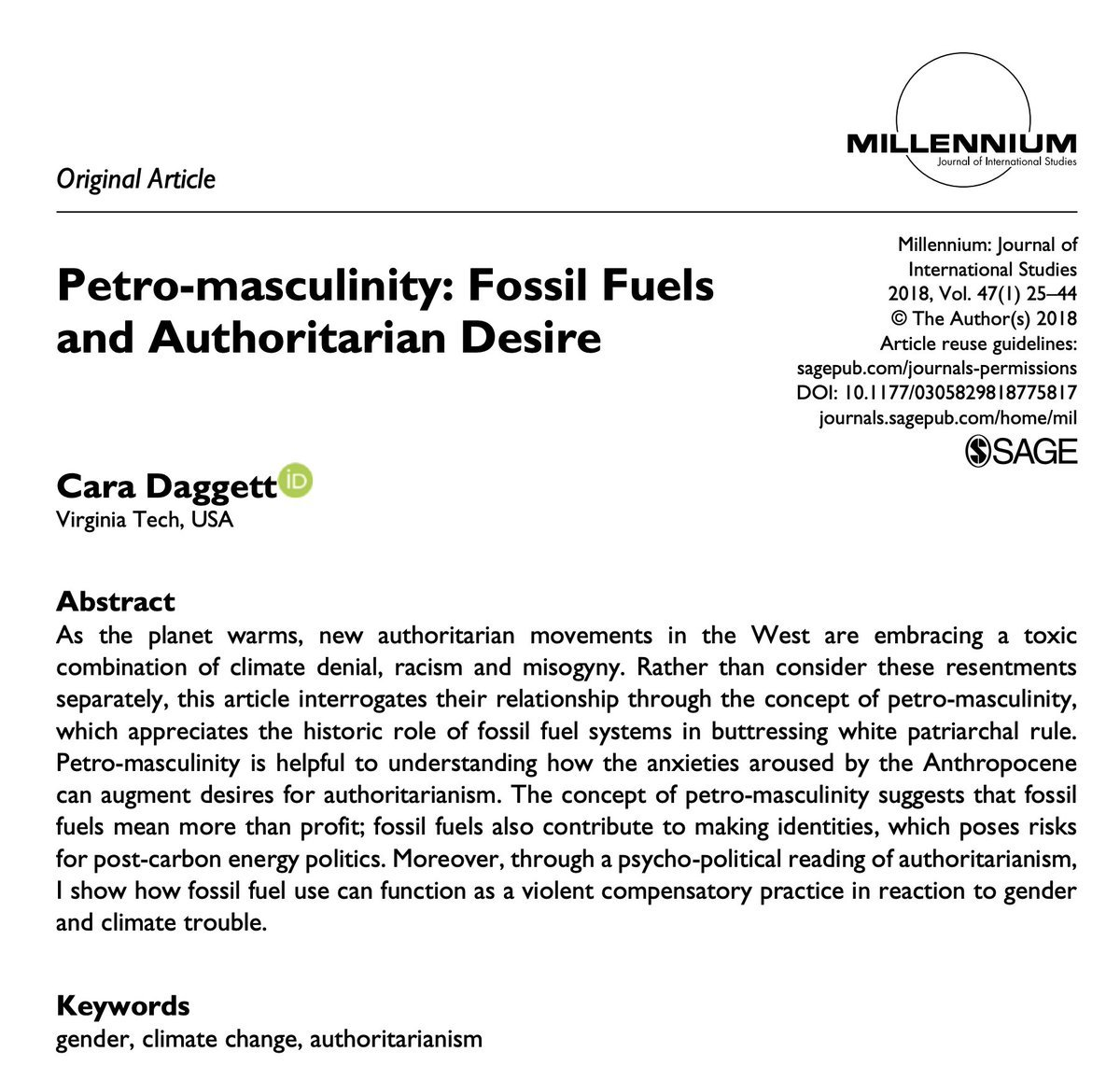
I thought the abstract below might be satire, but alas that is not the case. Here is a link to the full paper.

The paper is short on facts and long on dogma and political rhetoric, but is not entirely without merit. The author acknowledges, albeit in a backhanded manner, the massive social benefits that fossil fuels have provided (quote below). Would our economy have been strong enough to support academic pursuits such as hers were it not for fossil fuels and “petro-masculine” ingenuity and labor?

Fossil fuels built the modern world. There remains an appreciation for fossil fuels – or, at least, for the high energy consumption they provided – as a catalyst of mass liberal democracy. This is evident in ecomodernist calls for a good Anthropocene that would decouple the benefits of fossil fuels from the fuels themselves. After all, while industrialisation wreaks planetary destruction, its spread was coterminous with humanist victories like the abolition of slavery, increased literacy rates, gender equality and poverty reduction. Dipesh Chakrabarty notes that this cannot be a coincidence, and that ‘the mansion of modern freedoms stands on an ever-expanding base of fossil-fuel use. Most of our freedoms so far have been energy-intensive.

In the interest of balance, the author might have also acknowledged the impressive technical advances that have made fossil fuel production cleaner and more efficient. See also: simpler, safer, greener and the beauty of deepwater production.

Read Full Post »