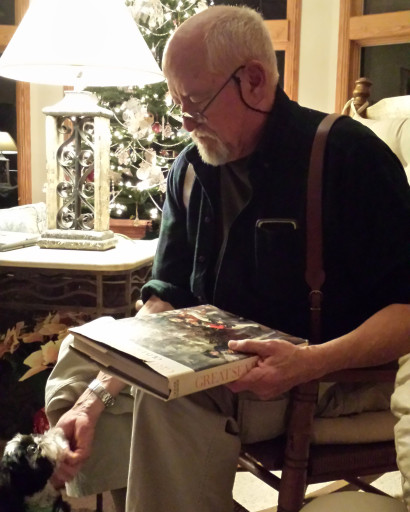
Edward J. Tennyson passed away last Friday at his Smith Mountain Lake, Virginia home. Ed worked in the Department of the Interior’s offshore program for more than 20 years, and arguably has done more than any single individual to advance oil spill response capabilities. A few of Ed’s many achievements:
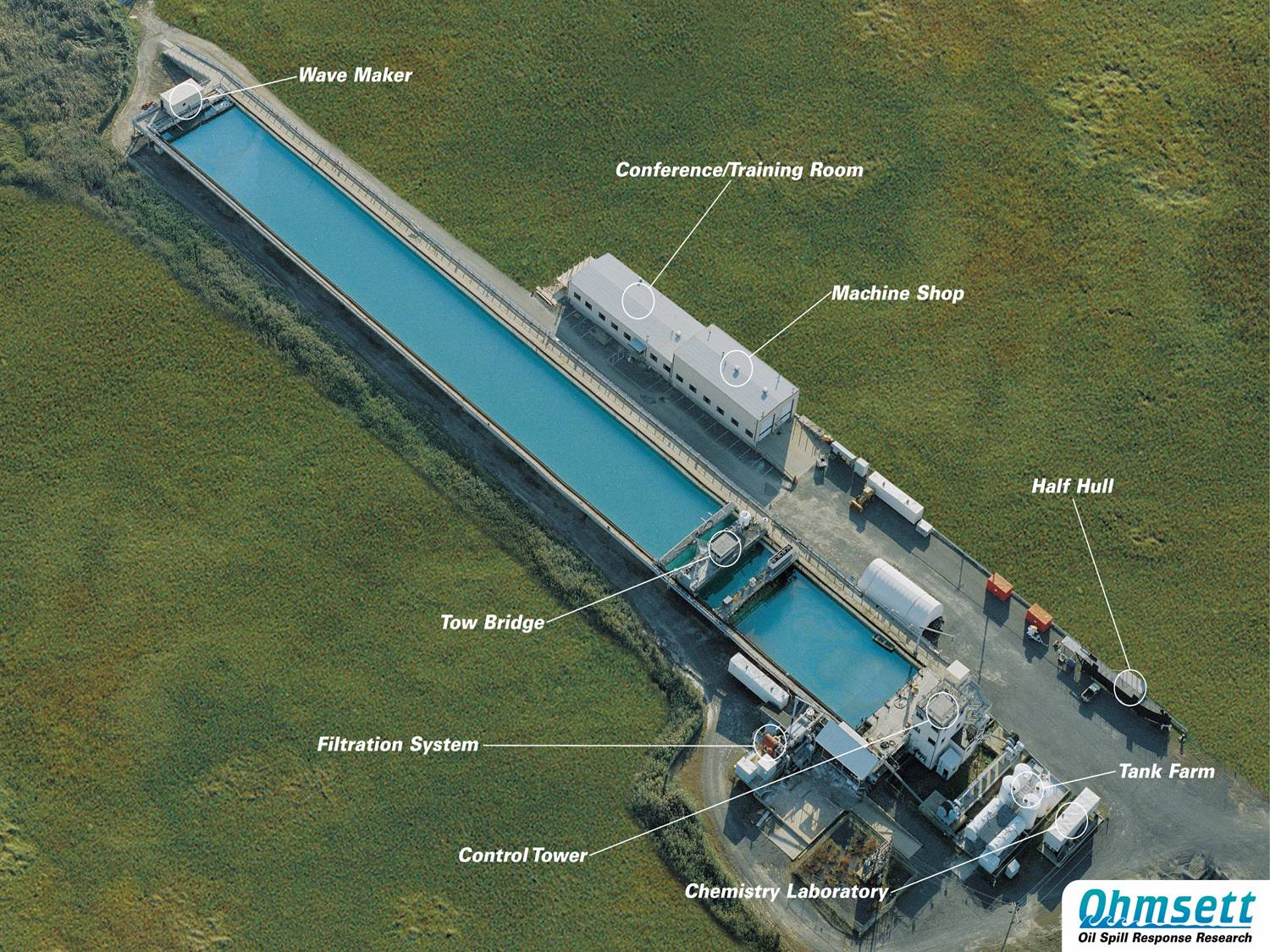
- Ohmsett: EPA operated the Ohmsett spill response test tank in Leonardo, New Jersey, beginning in the early 1970s, but the facility fell into disrepair in the 1980s. Thanks to Ed’s vision and persistence, and the enactment of the Oil Pollution Act of 1990, the Minerals Management Service (MMS) began restoring the facility. Ed led the effort and did everything from operating forklifts to designing upgrades. Senator Frank Lautenberg (NJ) and a host of dignitaries participated in the grand reopening event in 1992. It was an amazing day, and Ohmsett, MMS’s only industrial facility, has exceeded even Ed’s lofty expectations.
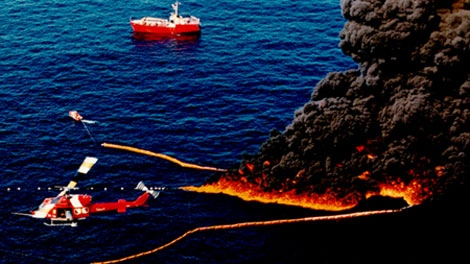
- Burning oil slicks: Ed and a few of his US and international partners were the first to consider in situ burning as an oil spill response method. After some lab work, Ed proposed larger scale testing at Ohmsett in the presence of ice. The testing was amazingly successful, removing almost all of the oil. When Ed told a leading skeptic about the impressive results, his response was “you didn’t do it right.” 😀
- Newfoundland burn: Because research spills were prohibited in US waters, Ed worked with his Canadian partners to conduct an in situ burning test offshore Newfoundland in 1993. Ed was an amazing leader during any kind of field trials, and was always the first person on the dock directing team members to their stations!
- Remote sensing: Ed’s research led to a patent on the use of shipborne radar for locating oil slicks. Ed greatly advanced this capability by developing tools for airborne mapping and thickness determinations. As Ed frequently said, “90% of the oil is in 10% of the area.” By identifying where the oil was thickest, you could optimize spill response. (Ed was also an expert at identifying slicks with what he called his mach 20 eyeball 😀).
- Chemical treatment: Ed was a leader in researching dispersants, herding agents, and other chemical methods for preventing spills from impacting shorelines or other sensitive areas.
Ed was an entertaining and informative speaker and was often called upon to brief congressional panels, and discuss his research at public meetings and professional conferences. He was rightfully a media darling and was often contacted for comments on oil spill response matters. Perhaps his most famous quote was in the Wall Street Journal during the Valdez spill in Prince William Sound. Ed described the spill response as follows: “Like mowing a 40 acre field with a 1/4 inch lawn mower.” 😉
RIP Ed, you made a difference!
 Bud's Offshore Energy (BOE)
Leave a comment